
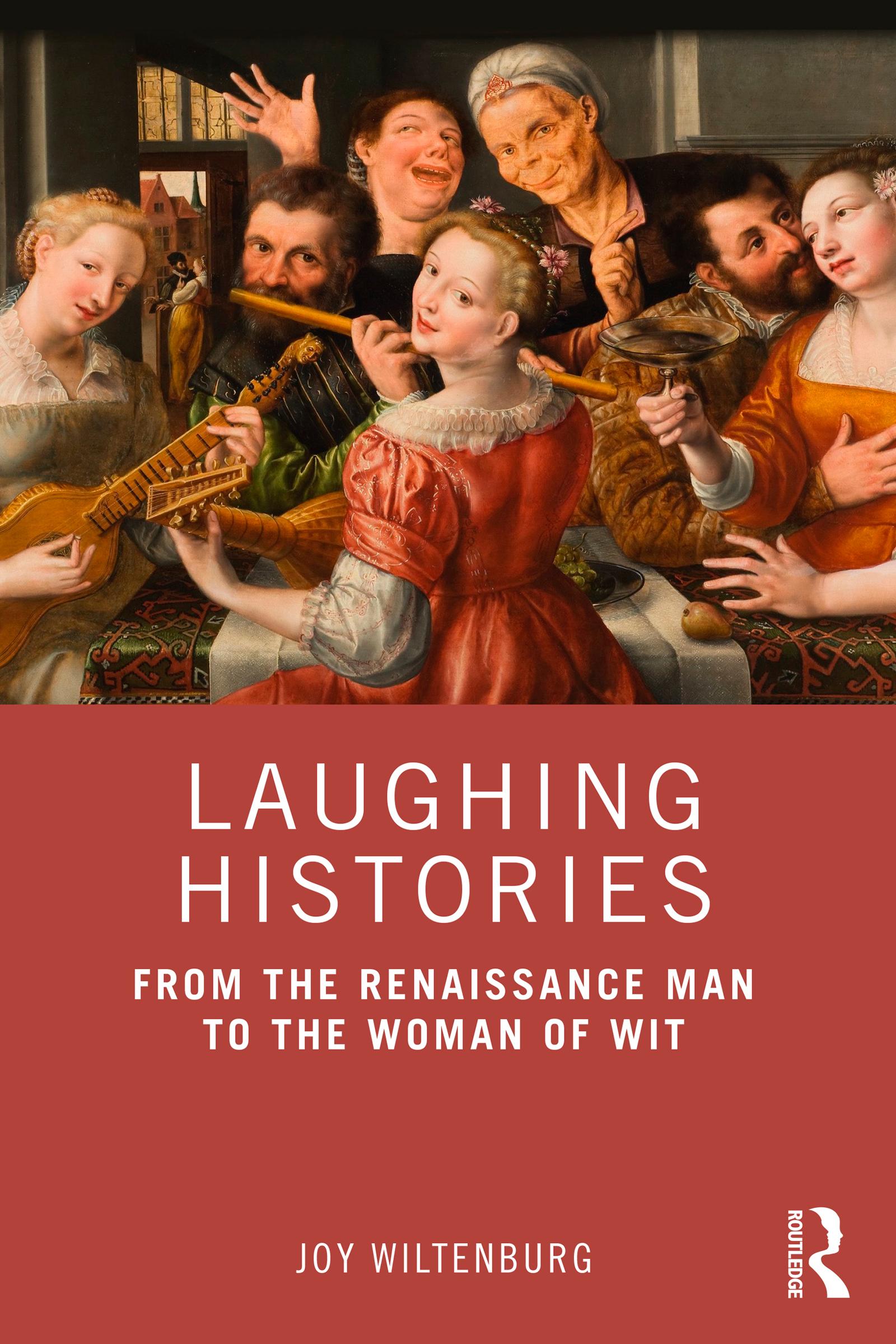
Laughing Histories breaks new ground by exploring moments of laughter in early modern Europe, showing how laughter was inflected by gender and social power.
"I dearly love a laugh," declared Jane Austen's heroine Elizabeth Bennet, and her wit won the heart of the aristocratic Mr. Darcy. Yet the widely read Earl of Chesterfield asserted that only "the mob" would laugh out loud; the gentleman should merely smile. This literary contrast raises important historical questions: how did social rules constrain laughter? Did the highest elites really laugh less than others? How did laughter play out in relations between the sexes? Through fascinating case studies of individuals such as the Renaissance artist Benvenuto Cellini, the French aristocrat Madame de Sévigné, and the rising civil servant and diarist Samuel Pepys, Laughing Histories reveals the multiple meanings of laughter, from the court to the tavern and street, in a complex history that paved the way for modern laughter.
With its study of laughter in relation to power, aggression, gender, sex, class, and social bonding, Laughing Histories is perfect for readers interested in the history of emotions, cultural history, gender history, and literature.
Paga facilmente con carta, Klarna, Apple Pay o Google Pay. Non sei soddisfatto? Hai sempre 14 giorni per il rimborso. Leggi di più nei nostri termini. Per qualsiasi domanda, scrivici a hello@memmo.org.
Memmo rende lo studio più facile, ovunque tu sia nel mondo. Qui trovi i tuoi libri di testo e strumenti di studio intelligenti, tutto in un unico posto: riassunti, quiz, podcast e flashcard. E poi c'è Ted, il tuo compagno di studio che risponde a ogni tua domanda. Oltre 50.000 studenti studiano già qui: è stato creato per aiutarti a imparare più velocemente e a stressarti meno.