
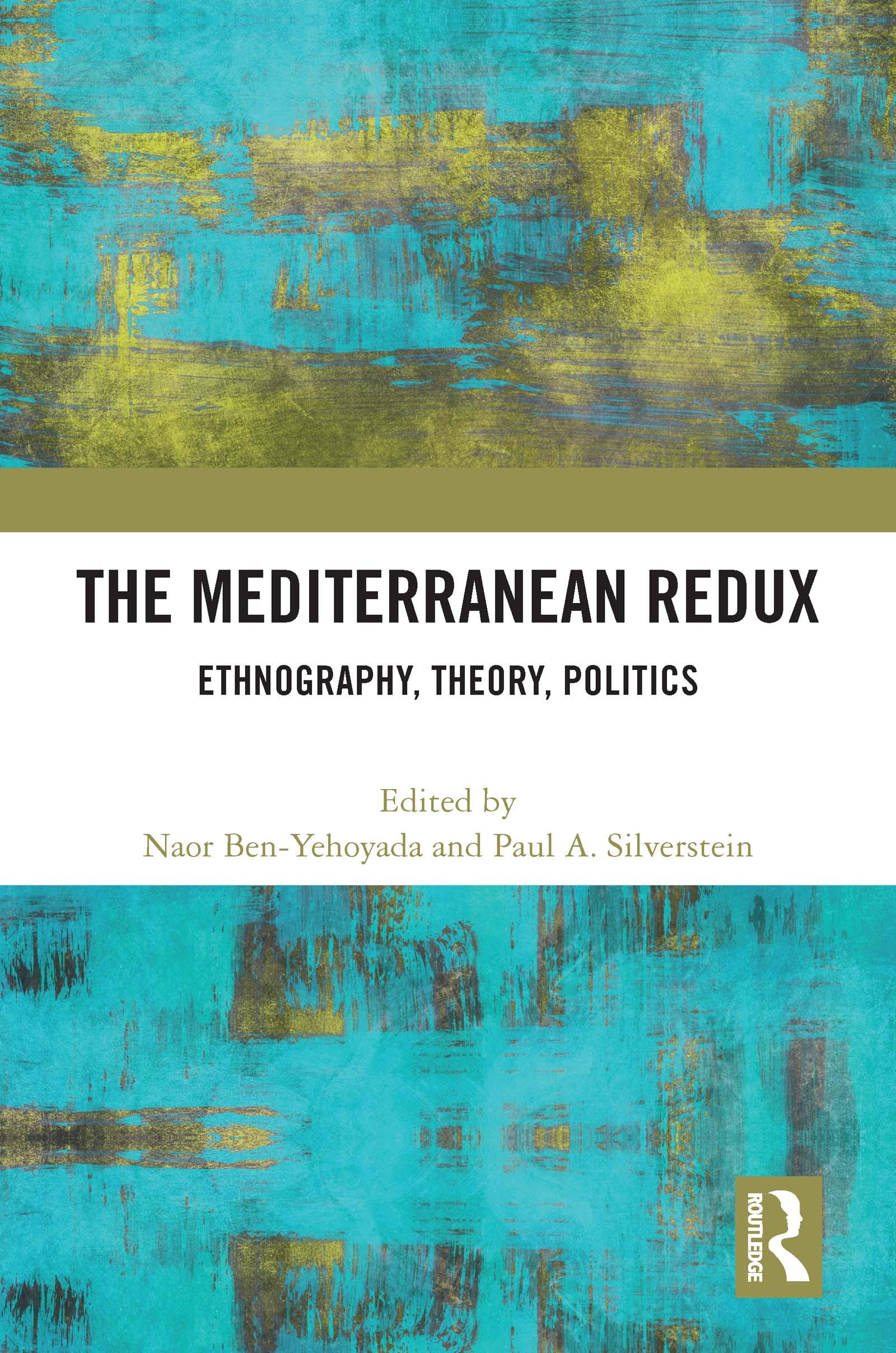
This book on historical anthropology remaps the Mediterranean by reframing classical themes from early Mediterraneanist anthropology. This edited volume showcases how anthropology can contribute to an understanding of ongoing transnational dynamics and the new wave of scholarship on the Mediterranean.
The Mediterranean is back as a locus of international anxiety and academic concern. It has reemerged in the international news cycle as a space of desperate crossings and tragic endings, as the site in which a refugee crisis rivalling that of the Second World War is playing out in real time for a global viewing public. The scale of the crisis has called into question Europe’s humanitarian principles and internal political union, making the Mediterranean into a mirror for long-standing tensions between norms of universalism and demands for national security. These captivating events have further raised the tide of scholars’ interest in the Mediterranean. How should ethnographers contribute to the new wave of scholarship on the Mediterranean? To what extent does the Mediterranean offer alternative forms of political relatedness to those construed from within Europe, North Africa, and the Middle East? In this volume, we reframe classical themes from early iterations of Mediterranean anthropology to address these questions in our examinations of changing dynamics across land and sea borders, bringing ethnography back to the study of the Mediterranean, and the Mediterranean – with its Mediterraneanism – back to ethnography.
The chapters in this book were originally published as a special issue of the journal, History and Anthropology.
Paga facilmente con carta, Klarna, Apple Pay o Google Pay. Non sei soddisfatto? Hai sempre 14 giorni per il rimborso. Leggi di più nei nostri termini. Per qualsiasi domanda, scrivici a hello@memmo.org.
Memmo rende lo studio più facile, ovunque tu sia nel mondo. Qui trovi i tuoi libri di testo e strumenti di studio intelligenti, tutto in un unico posto: riassunti, quiz, podcast e flashcard. E poi c'è Ted, il tuo compagno di studio che risponde a ogni tua domanda. Oltre 50.000 studenti studiano già qui: è stato creato per aiutarti a imparare più velocemente e a stressarti meno.