
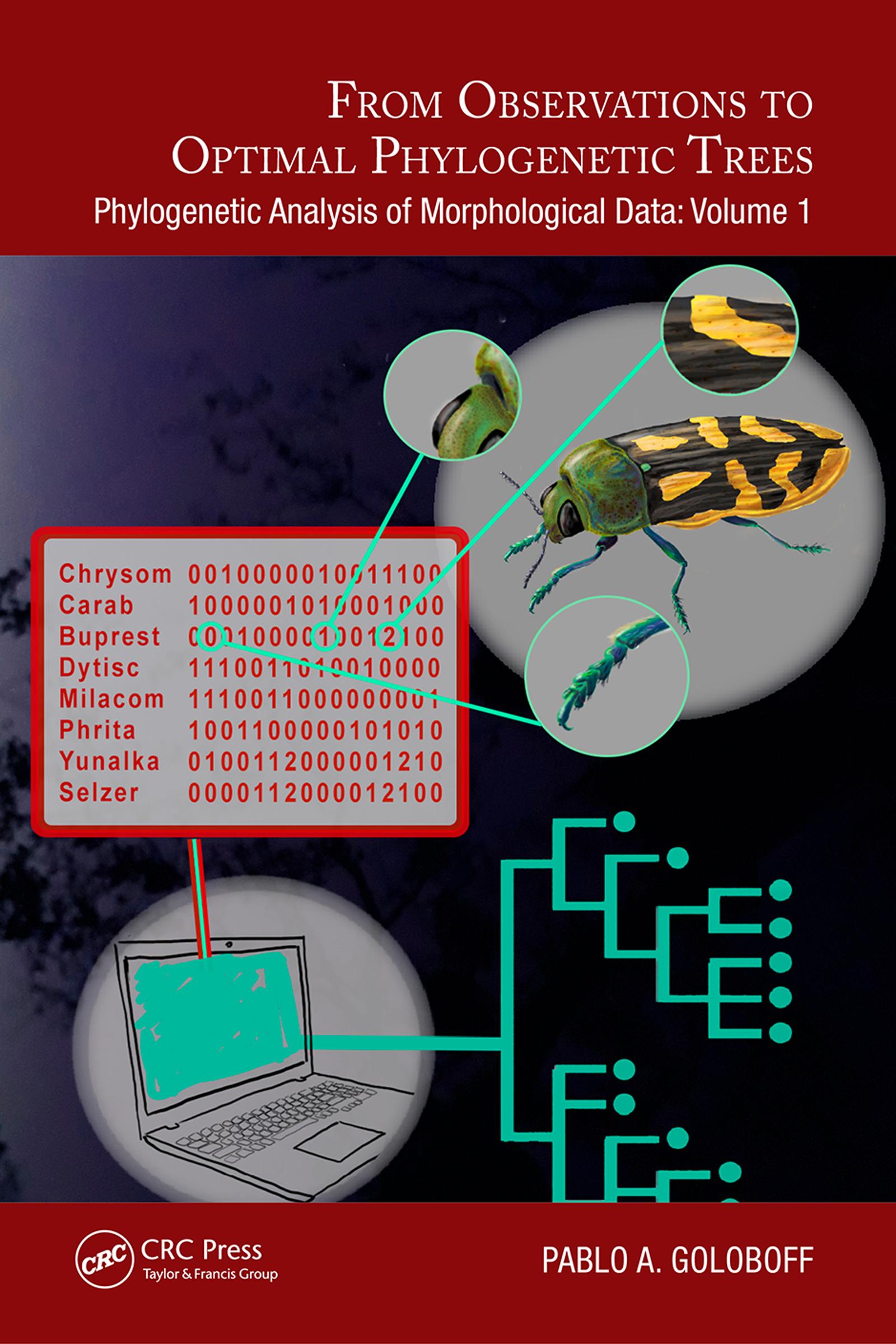
Taxonomists specializing in different groups once based phylogenetic analysis only on morphological data; molecular data was used more rarely. Although molecular systematics is routine today, the use of morphological data continues to be important, especially for phylogenetic placement of many taxa known only from fossils and rare or difficult to collect species. In addition, morphological analyses help identify potential biases in molecular analyses. And finally, scenarios with respect to morphology continue to motivate biologists: the beauty of a cheetah or a baobab does not lie in their DNA sequence, but instead on what they are and do! This book is an up-to-date revision of methods and principles of phylogenetic analysis of morphological data. It is also a general guide for using the computer program TNT in the analysis of such data. The book covers the main aspects of phylogenetic analysis and general methods to compare classifications derived from molecules and morphology. The basic aspects of molecular analysis are covered only as needed to highlight the differences with methods and assumptions for analysis of morphological datasets.
Paga facilmente con carta, Klarna, Apple Pay o Google Pay. Non sei soddisfatto? Hai sempre 14 giorni per il rimborso. Leggi di più nei nostri termini. Per qualsiasi domanda, scrivici a hello@memmo.org.
Memmo rende lo studio più facile, ovunque tu sia nel mondo. Qui trovi i tuoi libri di testo e strumenti di studio intelligenti, tutto in un unico posto: riassunti, quiz, podcast e flashcard. E poi c'è Ted, il tuo compagno di studio che risponde a ogni tua domanda. Oltre 50.000 studenti studiano già qui: è stato creato per aiutarti a imparare più velocemente e a stressarti meno.