
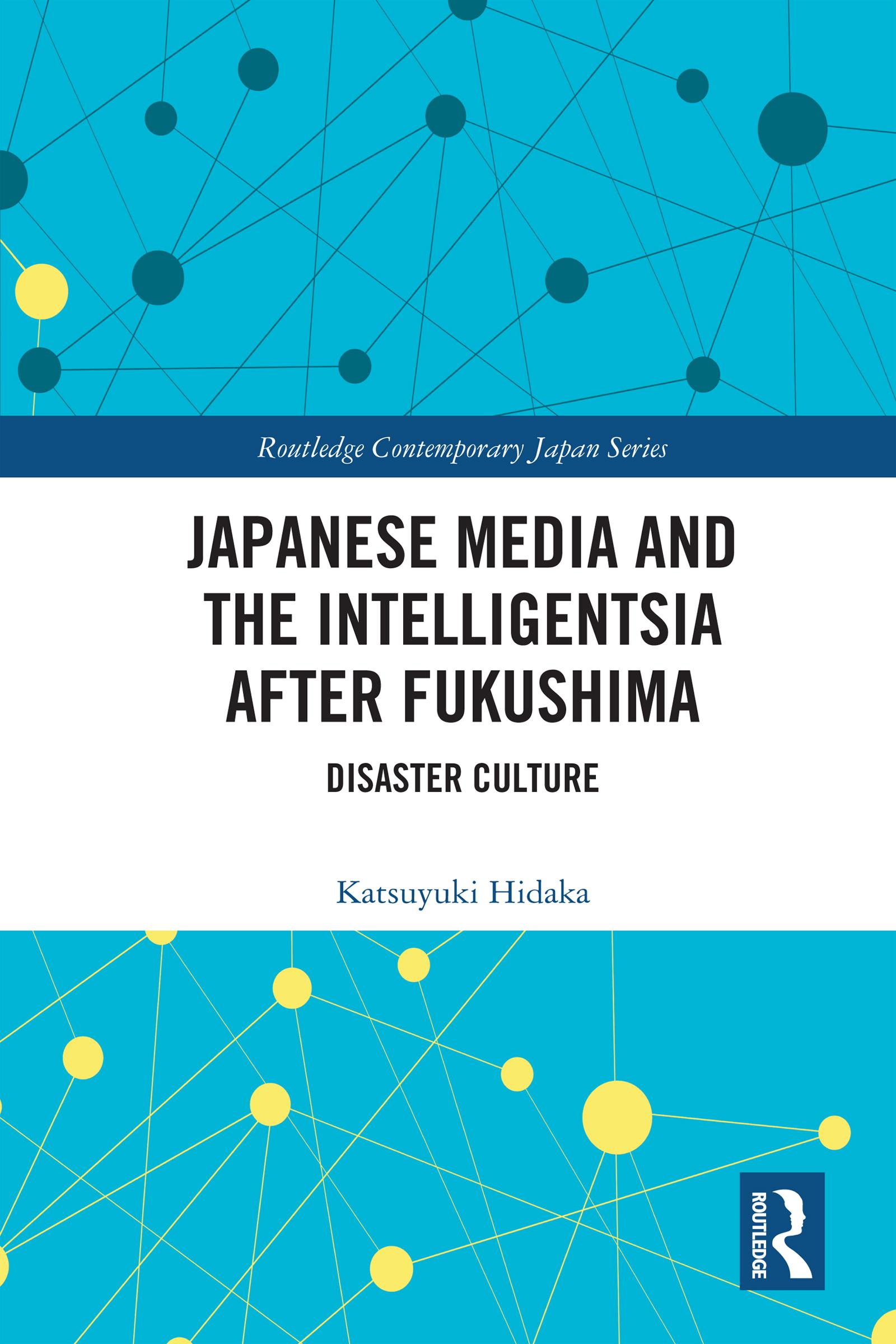
How and why does a catastrophic disaster change public discourse and social narratives? This is the first book to comprehensively investigate how Japanese newspapers, TV, documentary films, independent journalists, scientists, and intellectuals from the humanities and social sciences have critically responded to the Fukushima nuclear disaster over the last decade.
In Japan, nuclear power consistently had more than 70% support in opinion polls. However, the Fukushima disaster of 2011 has caused a shift in public opinion, and the majority of the population now desires an end to nuclear power in Japan. Alternative energy and countermeasures against climate change have thus become hot-button issues in public discourse. Moreover, topics previously left undiscussed have become common talking points among journalists and intellectuals: Concealed power structural dynamics that work upon Japan’s politics, bureaucracy, industry, academia, and media; Japan’s peculiar, strong support for nuclear power, despite being a nation subjected to the atomic bombing of Hiroshima and Nagasaki, and its latent ability to develop nuclear weapons by utilizing the plutonium generated by its power plants; and Japan’s dependence on the US’ nuclear umbrella. These discussions have often evolved into macro-level controversies over ‘Japan’ and its ‘modernity’. In this book, Hidaka critically evaluates how the Fukushima disaster has shaken hegemonic public discourse and compares it to the impact of previous moments of ‘disaster culture’ in modern Japanese history, such as The Great Kanto Earthquake and the Pacific War.
Offers vital insights into contemporary Japanese culture and social discourse for students and scholars alike.
Paga facilmente con carta, Klarna, Apple Pay o Google Pay. Non sei soddisfatto? Hai sempre 14 giorni per il rimborso. Leggi di più nei nostri termini. Per qualsiasi domanda, scrivici a hello@memmo.org.
Memmo rende lo studio più facile, ovunque tu sia nel mondo. Qui trovi i tuoi libri di testo e strumenti di studio intelligenti, tutto in un unico posto: riassunti, quiz, podcast e flashcard. E poi c'è Ted, il tuo compagno di studio che risponde a ogni tua domanda. Oltre 50.000 studenti studiano già qui: è stato creato per aiutarti a imparare più velocemente e a stressarti meno.