
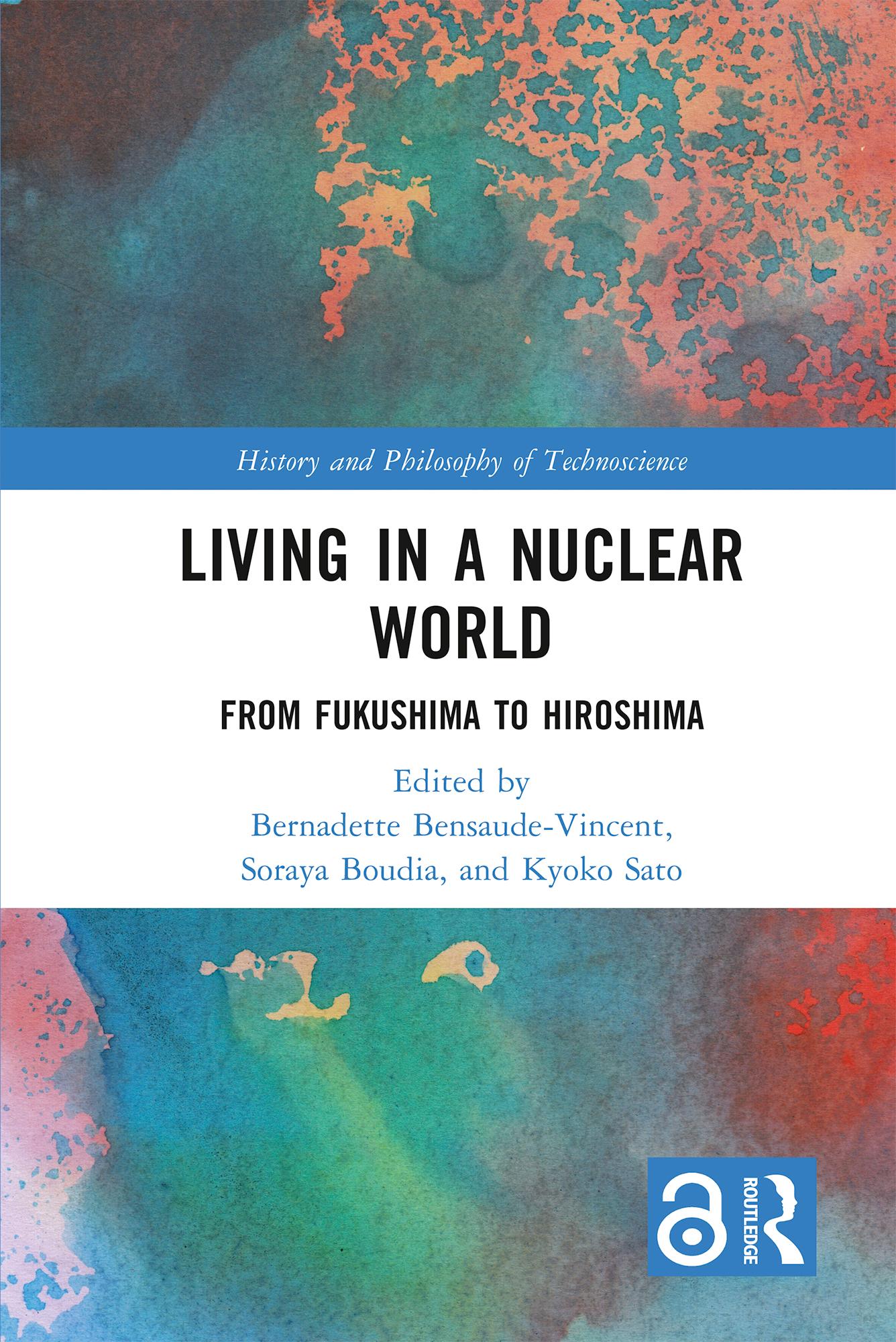
The Fukushima disaster invites us to look back and probe how nuclear technology has shaped the world we live in, and how we have come to live with it. Since the first nuclear detonation (Trinity test) and the bombings of Hiroshima and Nagasaki, all in 1945, nuclear technology has profoundly affected world history and geopolitics, as well as our daily life and natural world. It has always been an instrument for national security, a marker of national sovereignty, a site of technological innovation and a promise of energy abundance. It has also introduced permanent pollution and the age of the Anthropocene. This volume presents a new perspective on nuclear history and politics by focusing on four interconnected themes–violence and survival; control and containment; normalizing through denial and presumptions; memories and futures–and exploring their relationships and consequences. It proposes an original reflection on nuclear technology from a long-term, comparative and transnational perspective. It brings together contributions from researchers from different disciplines (anthropology, history, STS) and countries (US, France, Japan) on a variety of local, national and transnational subjects. Finally, this book offers an important and valuable insight into other global and Anthropocene challenges such as climate change.
Paga facilmente con carta, Klarna, Apple Pay o Google Pay. Non sei soddisfatto? Hai sempre 14 giorni per il rimborso. Leggi di più nei nostri termini. Per qualsiasi domanda, scrivici a hello@memmo.org.
Memmo rende lo studio più facile, ovunque tu sia nel mondo. Qui trovi i tuoi libri di testo e strumenti di studio intelligenti, tutto in un unico posto: riassunti, quiz, podcast e flashcard. E poi c'è Ted, il tuo compagno di studio che risponde a ogni tua domanda. Oltre 50.000 studenti studiano già qui: è stato creato per aiutarti a imparare più velocemente e a stressarti meno.