
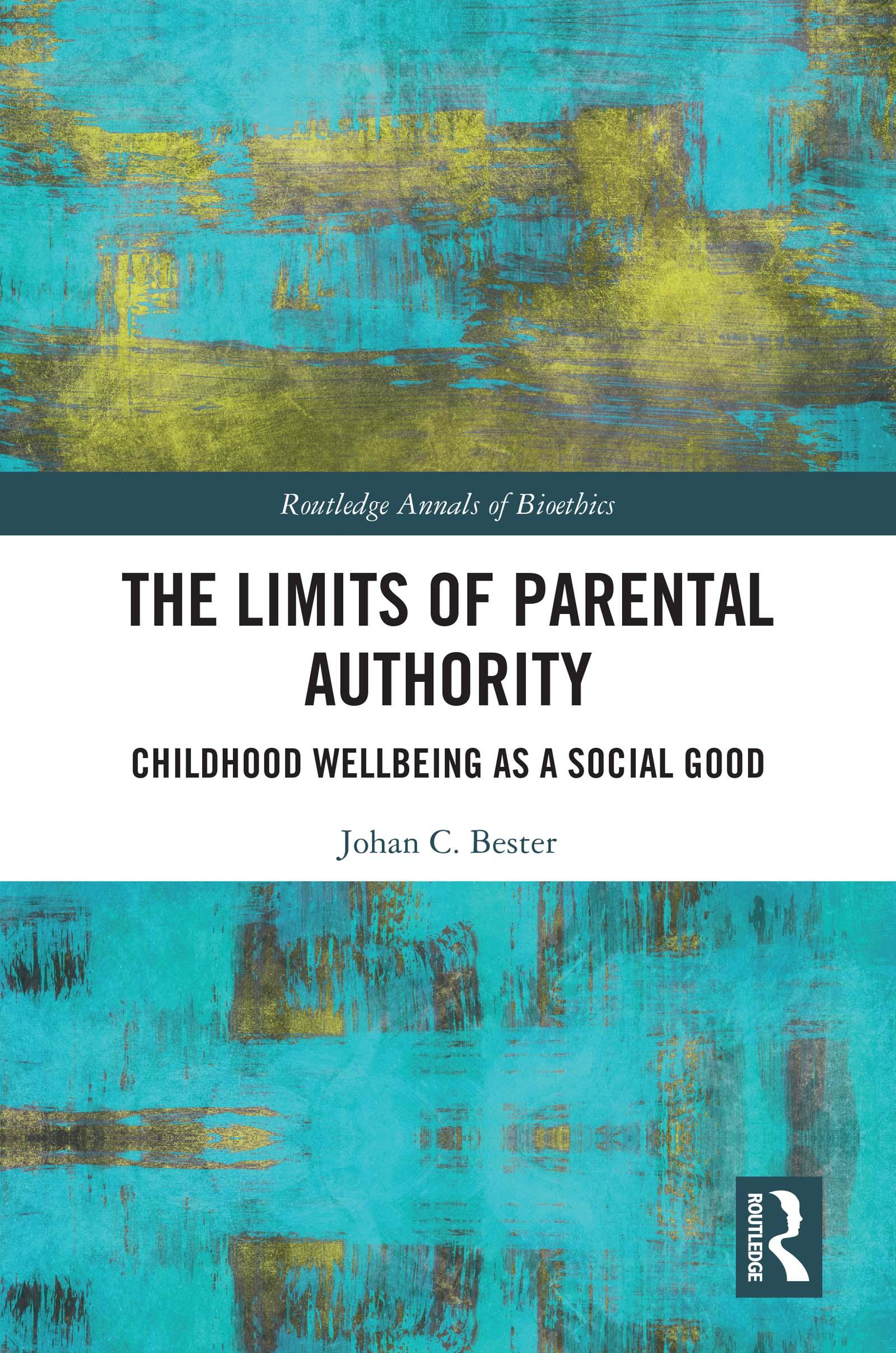
This book offers a novel theory of childhood well-being as a social good. It re-examines our fundamental assumptions about parenting, parental authority, and a liberal society’s role in the raising of children.
The author defends the idea that the good of a child is inexorably linked to the good of society. He identifies and critiques the problematic assumption that parenting is an extension of individual liberty and shows how we run into problems in medical decision-making for children because of this assumption. He develops an objective conception of what is good for a child in a liberal society, drawing on the assumptions of liberty, and from here constructs a set of things that society and its members owe children. There are ways in which society should support and intervene in parental decisions to guarantee a child’s well-being. Ultimately, raising children is a social activity that requires input from society. The author then applies this theory of childhood well-being to develop a framework for medical decision-making for children. He also uses practical examples, such as vaccinations, parental leave, and healthcare access, to demonstrate the implications of his theory for public policy.
The Limits of Parental Authority: Childhood Wellbeing as a Social Good will be of interest to practitioners, scholars, and advanced students working in bioethics, political philosophy, and public health policy.
Paga facilmente con carta, Klarna, Apple Pay o Google Pay. Non sei soddisfatto? Hai sempre 14 giorni per il rimborso. Leggi di più nei nostri termini. Per qualsiasi domanda, scrivici a hello@memmo.org.
Memmo rende lo studio più facile, ovunque tu sia nel mondo. Qui trovi i tuoi libri di testo e strumenti di studio intelligenti, tutto in un unico posto: riassunti, quiz, podcast e flashcard. E poi c'è Ted, il tuo compagno di studio che risponde a ogni tua domanda. Oltre 50.000 studenti studiano già qui: è stato creato per aiutarti a imparare più velocemente e a stressarti meno.