
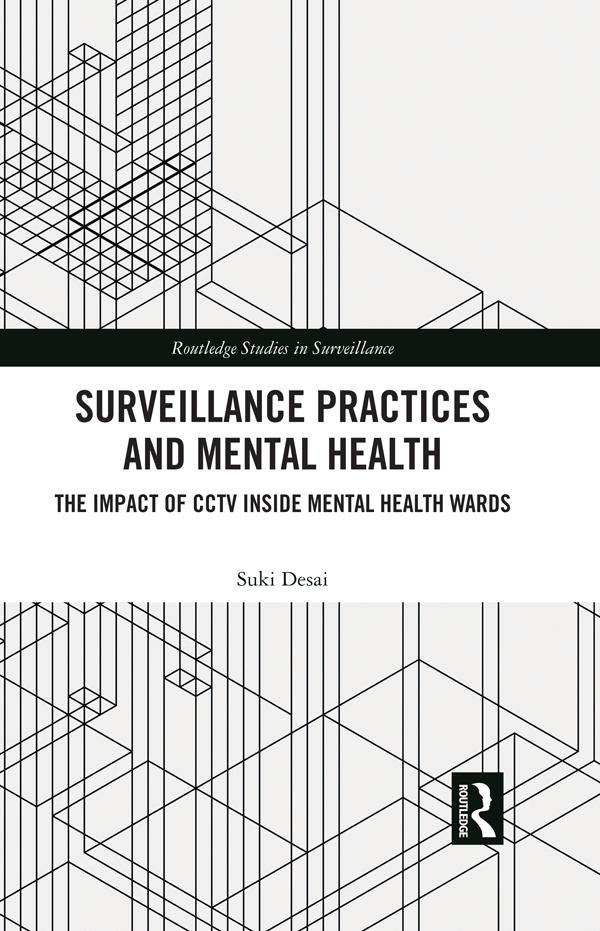
This book examines how CCTV cameras expose the patient body inside the mental health ward, especially the relationship between staff and patients as surveillance subjects.
A key aspect of the book is that existing surveillance literature and mental health literature have largely ignored the influence of CCTV cameras on patient and staff experiences inside mental health wards. Research findings for this book suggest that camera use inside mental health wards is based on a perception of the violent nature of the mental health patient. This perception not only influences ethical mental health practice inside the ward but also impacts how patients experience the ward.
It is not known how and why CCTV camera use has expanded to its uses inside mental health wards. These include not only communal areas of the ward but also patient bedrooms. The research, therefore, examines how and why camera technology was introduced inside three Psychiatric Intensive Care Mental Health Units located in England, UK. Aimed at both undergraduate and postgraduate students, this book will appeal to sociology, mental health, and surveillance studies students, as well as practitioners in mental health nursing, caseworkers and social caregivers.
Paga facilmente con carta, Klarna, Apple Pay o Google Pay. Non sei soddisfatto? Hai sempre 14 giorni per il rimborso. Leggi di più nei nostri termini. Per qualsiasi domanda, scrivici a hello@memmo.org.
Memmo rende lo studio più facile, ovunque tu sia nel mondo. Qui trovi i tuoi libri di testo e strumenti di studio intelligenti, tutto in un unico posto: riassunti, quiz, podcast e flashcard. E poi c'è Ted, il tuo compagno di studio che risponde a ogni tua domanda. Oltre 50.000 studenti studiano già qui: è stato creato per aiutarti a imparare più velocemente e a stressarti meno.