
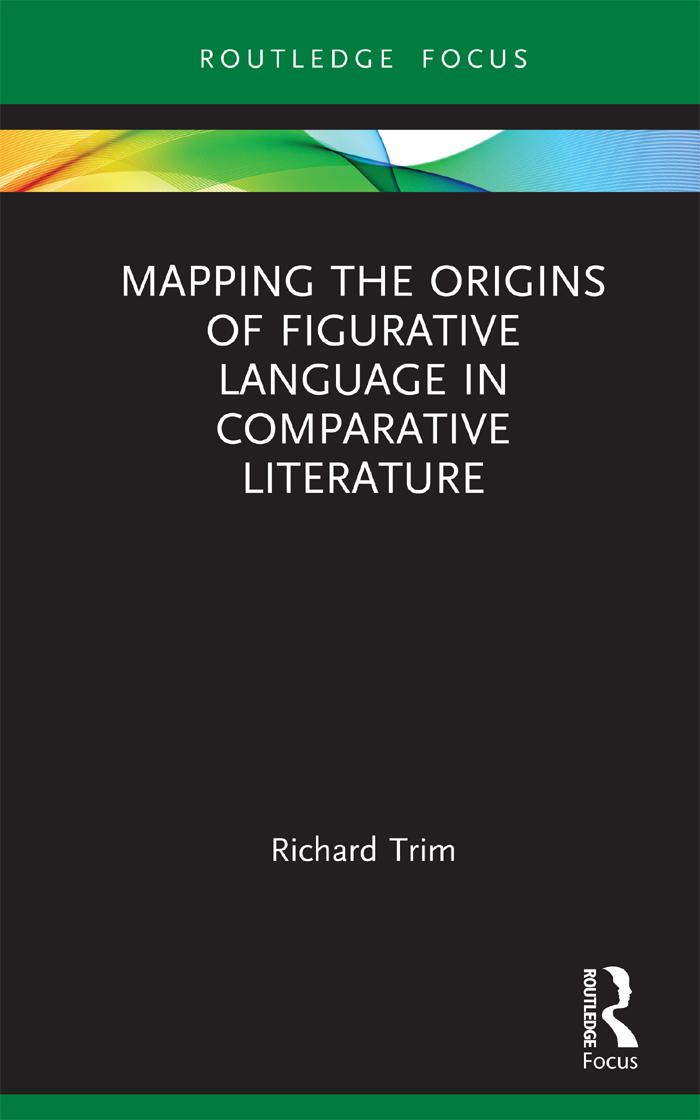
This book investigates the origins of figurative language in literary discourse within a cognitive framework. It represents an interface between linguistics and literature and develops a 6-tier theoretical model which analyses the different factors contributing to the creation of figurative words and expressions.
By examining features ranging from language structure to figurative thought, cultural history, reference, narrative and the personal experience of authors, it develops a global overview of the processes involved. Due to its particularly innovative characteristics in literature, the theme of death is explored in relation to universal concepts such as love and time. These aspects are discussed in the light of well-known authors in comparative literature such as D.H. Lawrence, Simone De Beauvoir, Hermann Hesse and Jorge Luis Borges. The origins can involve complex conceptual mappings in figures of speech such as metaphor and symbolism. They are often at the roots of an author’s personal desires or represent the search for answers to human existence.
This approach offers a wide variety of new ideas and research possibilities for postgraduate and research students in modern languages, linguistics and literature. It would also be of interest to academic researchers in these disciplines as well as the general public who would like to delve deeper into the relevant fields.
Paga facilmente con carta, Klarna, Apple Pay o Google Pay. Non sei soddisfatto? Hai sempre 14 giorni per il rimborso. Leggi di più nei nostri termini. Per qualsiasi domanda, scrivici a hello@memmo.org.
Memmo rende lo studio più facile, ovunque tu sia nel mondo. Qui trovi i tuoi libri di testo e strumenti di studio intelligenti, tutto in un unico posto: riassunti, quiz, podcast e flashcard. E poi c'è Ted, il tuo compagno di studio che risponde a ogni tua domanda. Oltre 50.000 studenti studiano già qui: è stato creato per aiutarti a imparare più velocemente e a stressarti meno.