
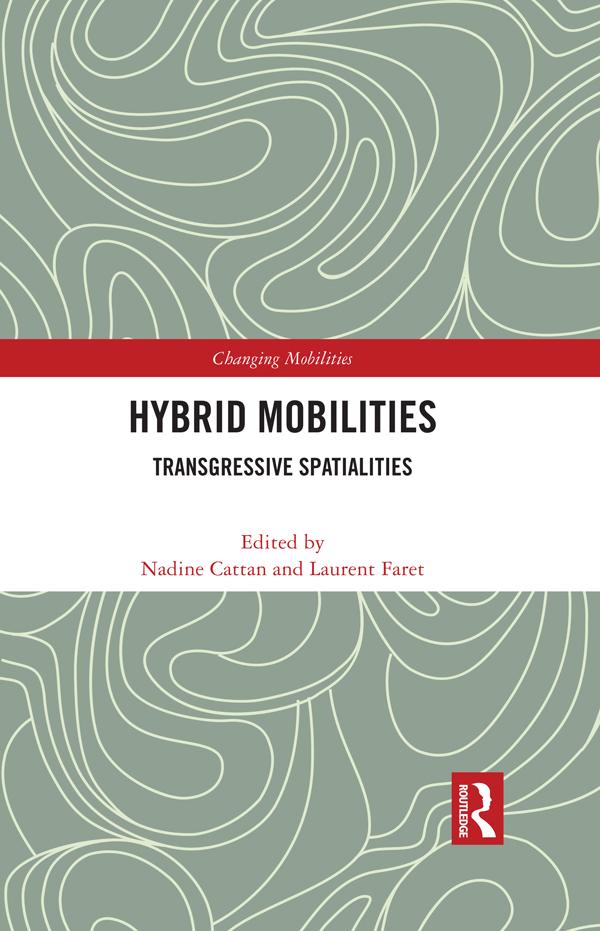
Diverse factors like globalization, geopolitical tensions, and the transformation of lifestyles are strengthening the role of mobility as a structuring dimension of contemporary societies. Social-science research has taken note of these changes, but few studies cross the different forms of mobility, ranging from commuting to tourists and backpackers, and on to seasonal workers or international migrants. The diversity of mobility situations studied in this book highlights the contribution of the reality of mobility in the daily construction of urban, regional, and global spaces, as well as in the redefinition of socio-spatial concepts.
By using an interdisciplinary relational approach, the book revisits certain concepts such as exclusion, heritage, or distance, in order to understand spatialities beyond the oppositions of fixity/mobility, private/public, or here/elsewhere. The book sheds light on the capacities for resistance of mobile persons in Singapore, Dakar, Bangkok, Amman, Paris, New York, or Mexico by studying the power relationships that are established in situations of mobility. By deciphering the values that characterize regimes of (im)mobility, the contributors stress the normative injunctions of public policies and social practices.
The originality of the work lies in capturing the deployment of alternative spatialities and underlining how they are reshaped between sedentary and mobility regimes. It highlights the importance of fully associating mobility with its characteristics of ephemerality and fluidity, in our theorizations and understandings of spatialities. By taking a post-structuralist posture, the book makes it possible to establish a logic of ‘and’ to design a ‘between’ of things, and to reverse ontology. This allows the temporary and the connected to be rehabilitated, beyond distance, in our practical knowledge of spatialities and territorialities. As such, the volume will be of interest to scholars of geography, sociology, anthropology, and urban studies with interests in mobility, migration and relational thought.
Paga facilmente con carta, Klarna, Apple Pay o Google Pay. Non sei soddisfatto? Hai sempre 14 giorni per il rimborso. Leggi di più nei nostri termini. Per qualsiasi domanda, scrivici a hello@memmo.org.
Memmo rende lo studio più facile, ovunque tu sia nel mondo. Qui trovi i tuoi libri di testo e strumenti di studio intelligenti, tutto in un unico posto: riassunti, quiz, podcast e flashcard. E poi c'è Ted, il tuo compagno di studio che risponde a ogni tua domanda. Oltre 50.000 studenti studiano già qui: è stato creato per aiutarti a imparare più velocemente e a stressarti meno.