
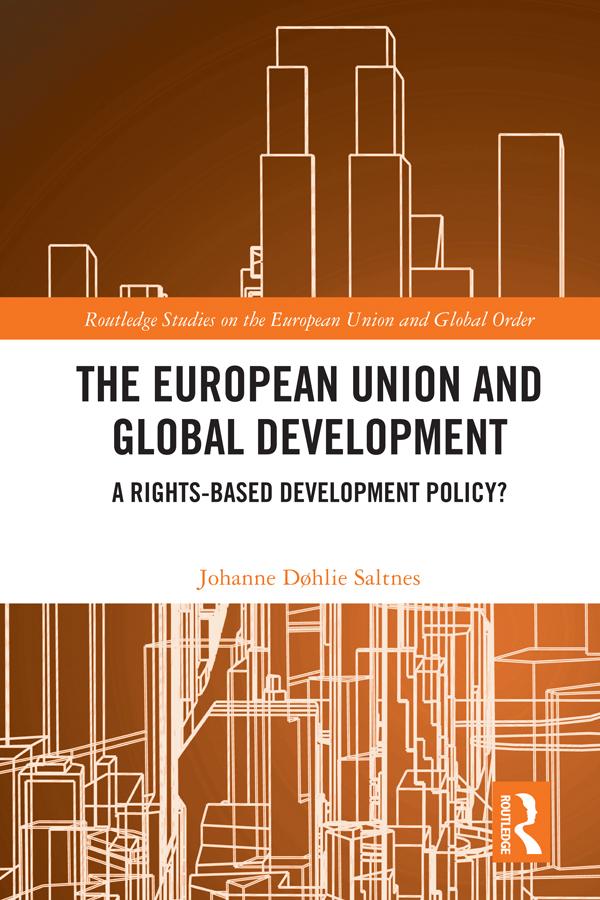
This book systematically analyses the EU’s commitment to a human rights-based approach to development through the lens of global justice theory.
It identifies limits to the EU’s approach and discusses how standardised policies, particularly in the case of human rights sanctions, may be perceived as neo-colonially intrusive and can come at the cost of recognizing the experiences and interests of vulnerable groups and allowing for partner countries’ democratic ownership of their own development trajectory. Engaging with primary sources including official documents, reports, and 45 semi-structured interviews with EU and member state officials, the book also presents a novel explanation for why the EU, at times, steps out of its commitment to rights-based development and chooses differentiated foreign policy responses to similar situations.
This book will be of key interest to scholars and students of EU foreign policy, EU development policy human rights, and international relations as well as policy practitioners working in the fields of development, human rights and democracy promotion.
Paga facilmente con carta, Klarna, Apple Pay o Google Pay. Non sei soddisfatto? Hai sempre 14 giorni per il rimborso. Leggi di più nei nostri termini. Per qualsiasi domanda, scrivici a hello@memmo.org.
Memmo rende lo studio più facile, ovunque tu sia nel mondo. Qui trovi i tuoi libri di testo e strumenti di studio intelligenti, tutto in un unico posto: riassunti, quiz, podcast e flashcard. E poi c'è Ted, il tuo compagno di studio che risponde a ogni tua domanda. Oltre 50.000 studenti studiano già qui: è stato creato per aiutarti a imparare più velocemente e a stressarti meno.