
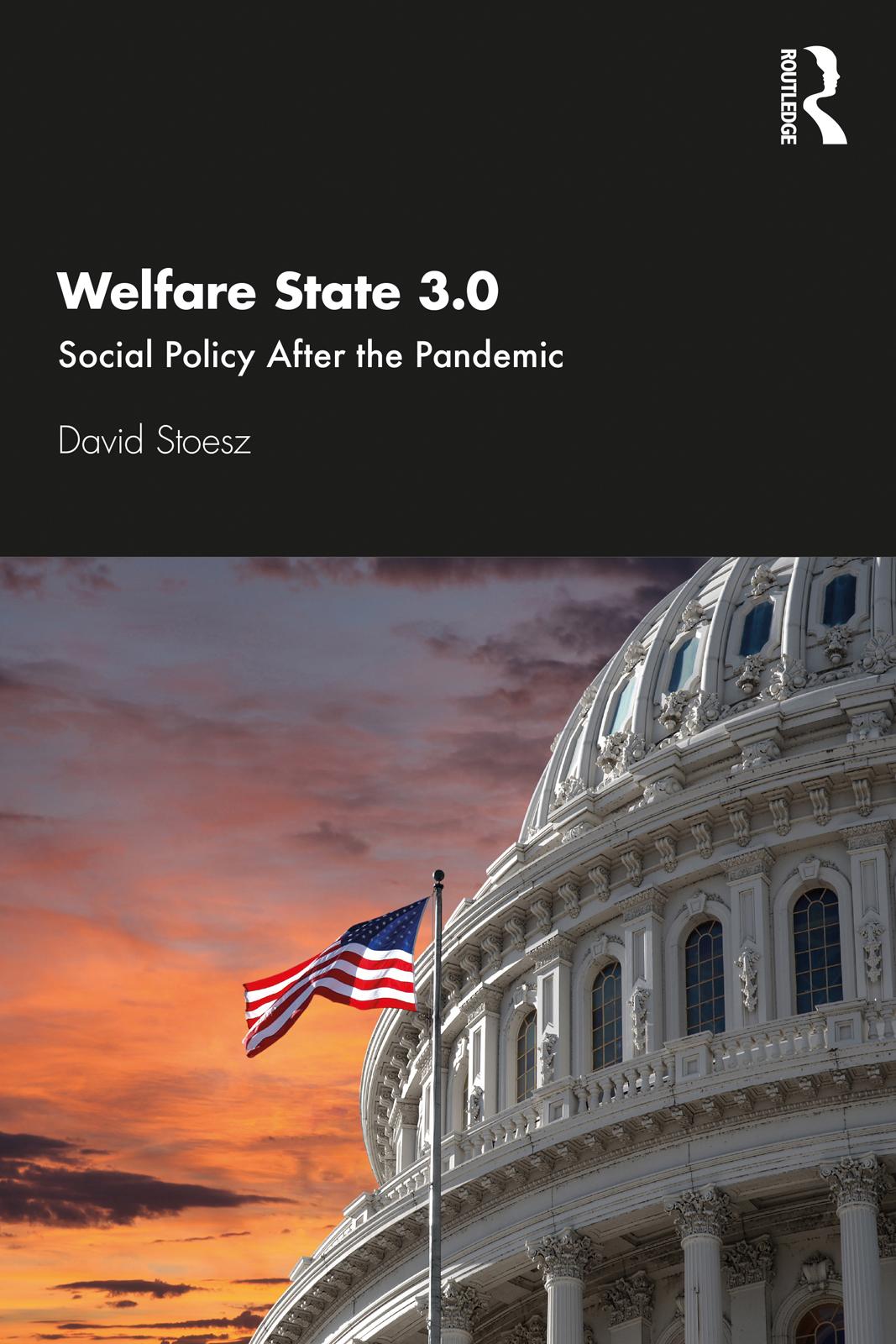
This book identifies specific changes to bring U.S. social policy in accord with the Information Age of the 21st century, in contrast to the policy infrastructure of industrial America.
Welfare State 3.0: Social Policy after the Pandemic acknowledges the existing social infrastructure, considers viable options, and provides supporting data to suggest social policy reform by four strategies: consolidating programs, harmonizing applications, expanding equity, and conducting experiments. The book favors discreet, poignant proposals of social programs. In 12 chapters, the text provides an analysis that honors past accomplishments, recognizes the influence of established stakeholders, and concedes program inadequacies, while plotting specific opportunities for policy improvement. In contrast to liberalism’s tendency toward idealism, the book adopts a realpolitik appreciation for social policy.
Written by one of the most respected academics of U.S. social policy, this book will be required reading for all undergraduate and postgraduate students of social policy, social work, sociology, and U.S. politics more broadly.
Paga facilmente con carta, Klarna, Apple Pay o Google Pay. Non sei soddisfatto? Hai sempre 14 giorni per il rimborso. Leggi di più nei nostri termini. Per qualsiasi domanda, scrivici a hello@memmo.org.
Memmo rende lo studio più facile, ovunque tu sia nel mondo. Qui trovi i tuoi libri di testo e strumenti di studio intelligenti, tutto in un unico posto: riassunti, quiz, podcast e flashcard. E poi c'è Ted, il tuo compagno di studio che risponde a ogni tua domanda. Oltre 50.000 studenti studiano già qui: è stato creato per aiutarti a imparare più velocemente e a stressarti meno.