
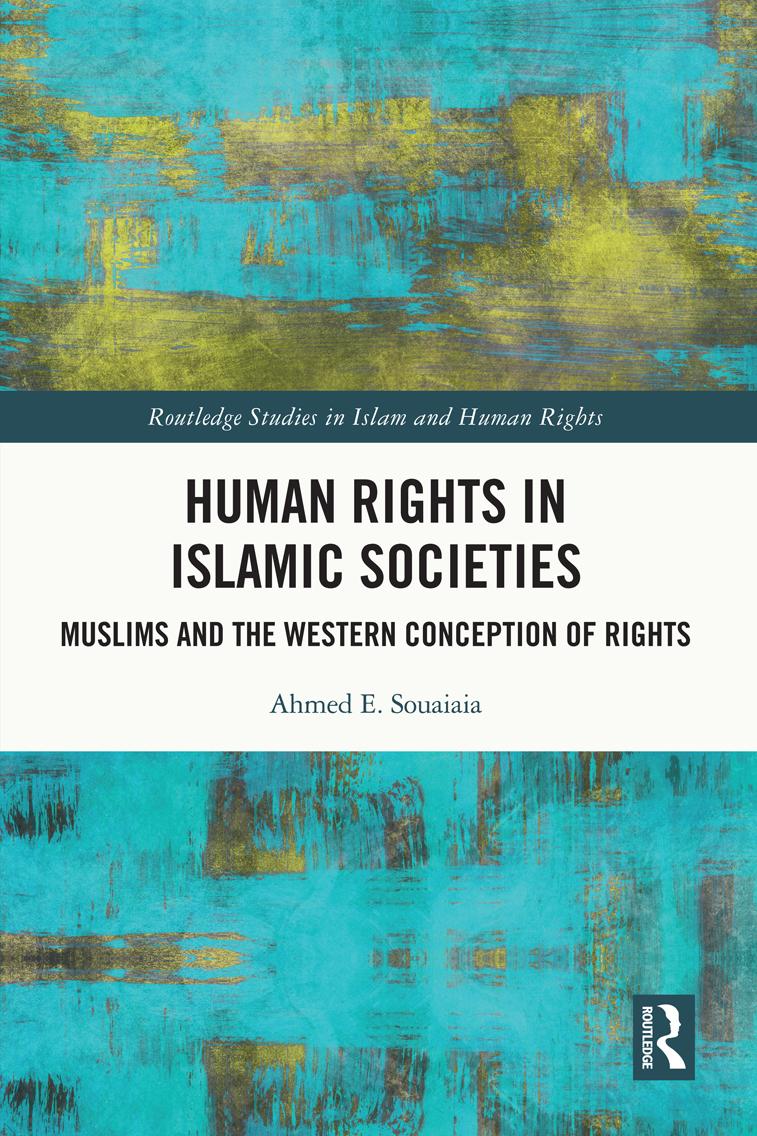
This book compares Islamic and Western ideas of human rights in order to ascertain which human rights, if any, can be considered universal. This is a profound topic with a rich history that is highly relevant within global politics and society today.
The arguments in this book are formed by bringing William Talbott’s Which Rights Should Be Universal? (2005) and Abdulaziz Sachedina’s Islam and the Challenge of Human Rights (2014) into conversation. By bridging the gap between cultural relativists and moral universalists, this book seeks to offer a new model for the understanding of human rights. It contends that human rights abuses are outcomes of complex systems by design and/or by default. Therefore, it proposes that a rigorous systems-thinking approach will contribute to addressing the challenge of human rights.
Engaging with Islamic and Western, historical and contemporary, and relativist and universalist thought, this book is a fresh take on a perennially important issue. As such, it will be a first-rate resource for any scholars working in religious studies, Islamic studies, Middle East studies, ethics, sociology, and law and religion.
Paga facilmente con carta, Klarna, Apple Pay o Google Pay. Non sei soddisfatto? Hai sempre 14 giorni per il rimborso. Leggi di più nei nostri termini. Per qualsiasi domanda, scrivici a hello@memmo.org.
Memmo rende lo studio più facile, ovunque tu sia nel mondo. Qui trovi i tuoi libri di testo e strumenti di studio intelligenti, tutto in un unico posto: riassunti, quiz, podcast e flashcard. E poi c'è Ted, il tuo compagno di studio che risponde a ogni tua domanda. Oltre 50.000 studenti studiano già qui: è stato creato per aiutarti a imparare più velocemente e a stressarti meno.