
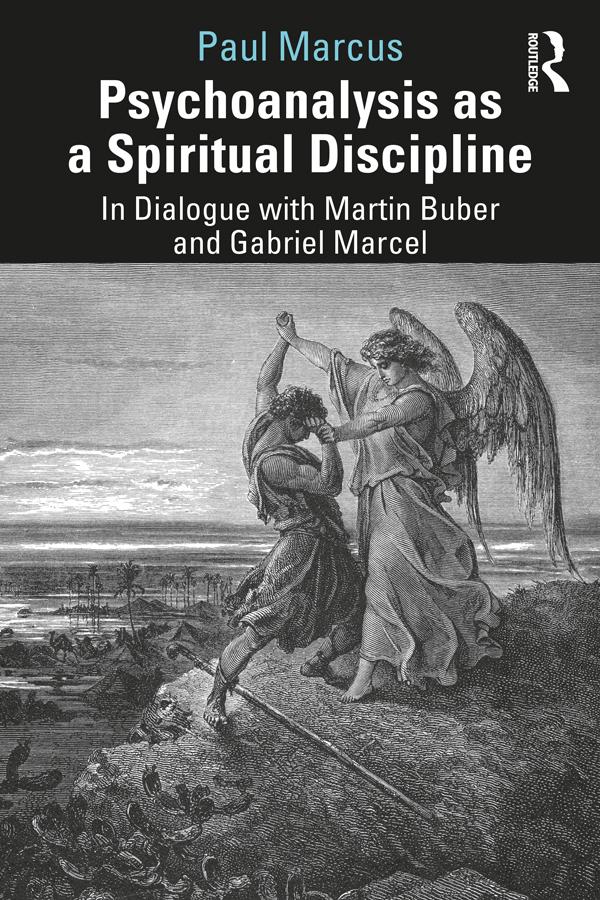
The great existential psychiatrist Ludwig Binswanger famously pointed out to Freud that therapeutic failure could "only be understood as the result of something which could be called a deficiency of spirit." Binswanger was surprised when Freud agreed, asserting, "Yes, spirit is everything." However, spirit and the spiritual realm have largely been dropped from mainstream psychoanalytic theory and practice.
This book seeks to help revitalize a culturally aging psychoanalysis that is in conceptual and clinical disarray in the marketplace of ideas and is viewed as a "theory in crisis" no longer regarded as the primary therapy for those who are suffering. The author argues that psychoanalysis and psychoanalytic psychotherapy can be reinvigorated as a discipline if it is animated by the powerfully evocative spiritual, moral, and ethical insights of two dialogical personalist religious philosophers—Martin Buber, a Jew, and Gabriel Marcel, a Catholic—who both initiated a "Copernican revolution" in human thought.
In chapters that focus on love, work, faith, suffering, and clinical practice, Paul Marcus shows how the spiritual optic of Buber and Marcel can help revive and refresh psychoanalysis, and bring it back into the light by communicating its inherent vitality, power, and relevance to the mental health community and to those who seek psychoanalytic treatment.
Paga facilmente con carta, Klarna, Apple Pay o Google Pay. Non sei soddisfatto? Hai sempre 14 giorni per il rimborso. Leggi di più nei nostri termini. Per qualsiasi domanda, scrivici a hello@memmo.org.
Memmo rende lo studio più facile, ovunque tu sia nel mondo. Qui trovi i tuoi libri di testo e strumenti di studio intelligenti, tutto in un unico posto: riassunti, quiz, podcast e flashcard. E poi c'è Ted, il tuo compagno di studio che risponde a ogni tua domanda. Oltre 50.000 studenti studiano già qui: è stato creato per aiutarti a imparare più velocemente e a stressarti meno.