
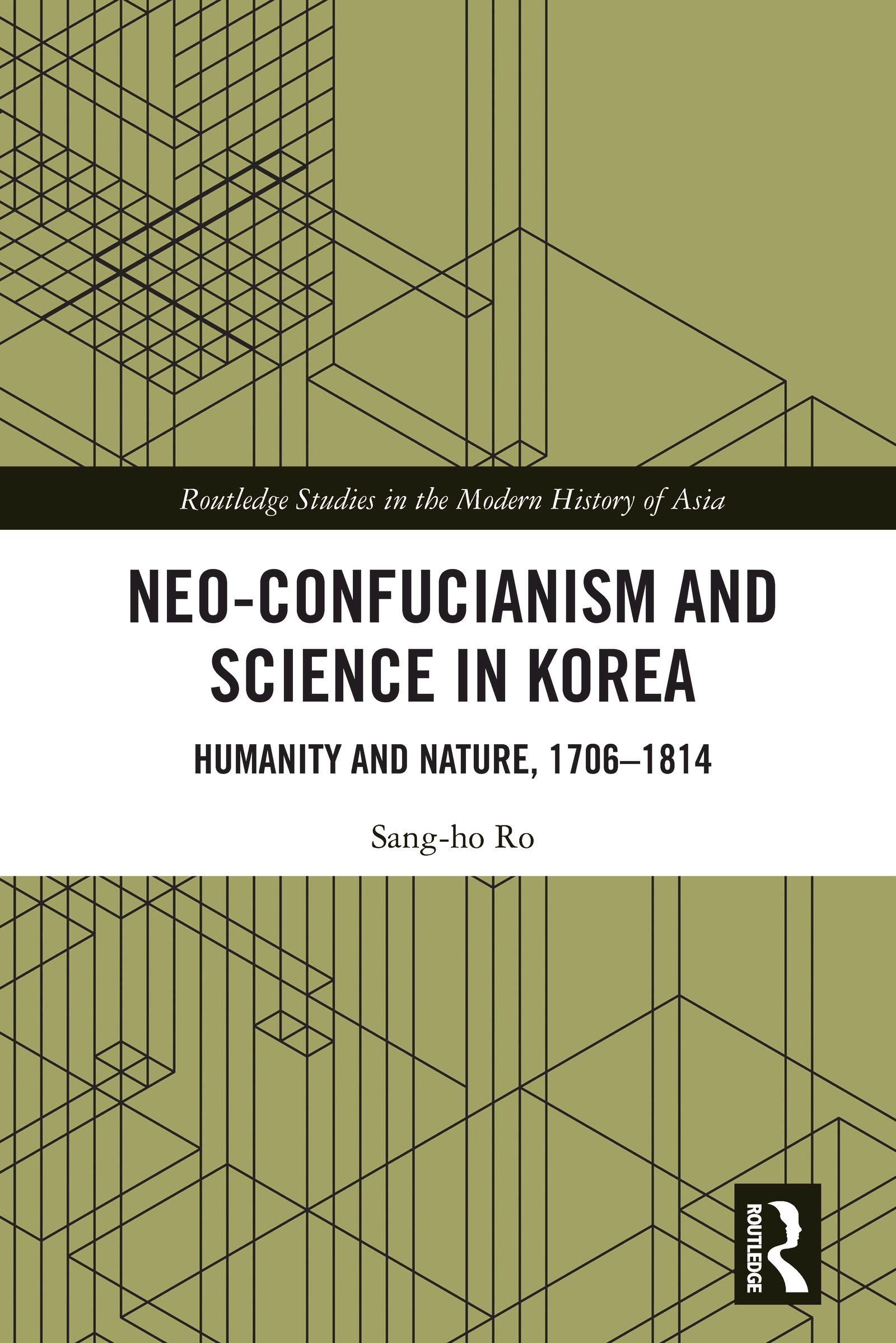
Historians of late premodern Korea have tended to regard it as a hermit kingdom, isolated from its neighbours and the wider world. In fact, as Ro argues in this book, Korean intellectuals were heavily influenced by both Chinese Neo-Confucianism and the European Enlightenment in the late 18th and 19th centuries.
In the late Choson period the regime felt threatened by the new, more empirical, approaches to knowledge emerging from both the East and the West. For this reason many Korean intellectuals felt it necessary to work in the shadows and formed secret societies for the study of nature. Because of the secrecy of these societies, much of their work has remained unknown even in Korea until recent years. Ho looks at the work of these intellectuals and analyses the impact their thinking and experimentation had on knowledge production in Korea.
A fascinating insight into the largely overlooked story of how globalization affected intellectual life in Korea before the 20th century. This book will be of great interest to students and researchers of Korean history and of Asian intellectual history more broadly.
Paga facilmente con carta, Klarna, Apple Pay o Google Pay. Non sei soddisfatto? Hai sempre 14 giorni per il rimborso. Leggi di più nei nostri termini. Per qualsiasi domanda, scrivici a hello@memmo.org.
Memmo rende lo studio più facile, ovunque tu sia nel mondo. Qui trovi i tuoi libri di testo e strumenti di studio intelligenti, tutto in un unico posto: riassunti, quiz, podcast e flashcard. E poi c'è Ted, il tuo compagno di studio che risponde a ogni tua domanda. Oltre 50.000 studenti studiano già qui: è stato creato per aiutarti a imparare più velocemente e a stressarti meno.