
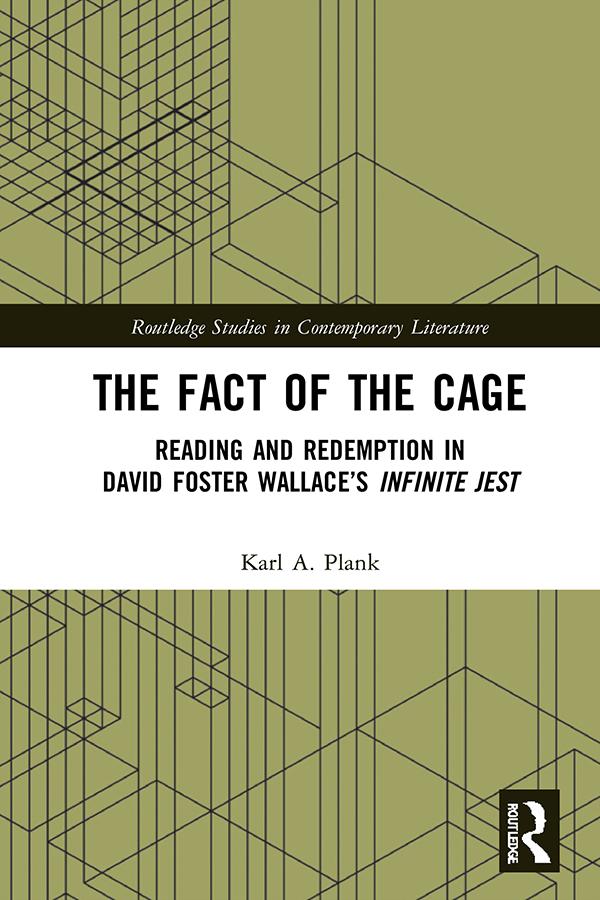
David Foster Wallace’s Infinite Jest raised expectations of what a novel might do. As he understood fiction to aim at what it means to be human, so he hoped his work might relieve the loneliness of human suffering. In that light, The Fact of the Cage shows how Wallace’s masterpiece dramatizes the condition of encagement and how it comes to be met by "Abiding" and through inter-relational acts of speaking and hearing, touching, and facing. Revealing Wallace’s theology of a "boneless Christ," The Fact of the Cage wagers that reading such a novel as Infinite Jest makes available to readers the redemption glimpsed in its pages, that reading fiction has ethical and religious significance—in short, that reading Infinite Jest makes one better. As such, Plank’s work takes steps to defend the ethics of fiction, the vital relation between religion and literature, and why one just might read at all.
Paga facilmente con carta, Klarna, Apple Pay o Google Pay. Non sei soddisfatto? Hai sempre 14 giorni per il rimborso. Leggi di più nei nostri termini. Per qualsiasi domanda, scrivici a hello@memmo.org.
Memmo rende lo studio più facile, ovunque tu sia nel mondo. Qui trovi i tuoi libri di testo e strumenti di studio intelligenti, tutto in un unico posto: riassunti, quiz, podcast e flashcard. E poi c'è Ted, il tuo compagno di studio che risponde a ogni tua domanda. Oltre 50.000 studenti studiano già qui: è stato creato per aiutarti a imparare più velocemente e a stressarti meno.