
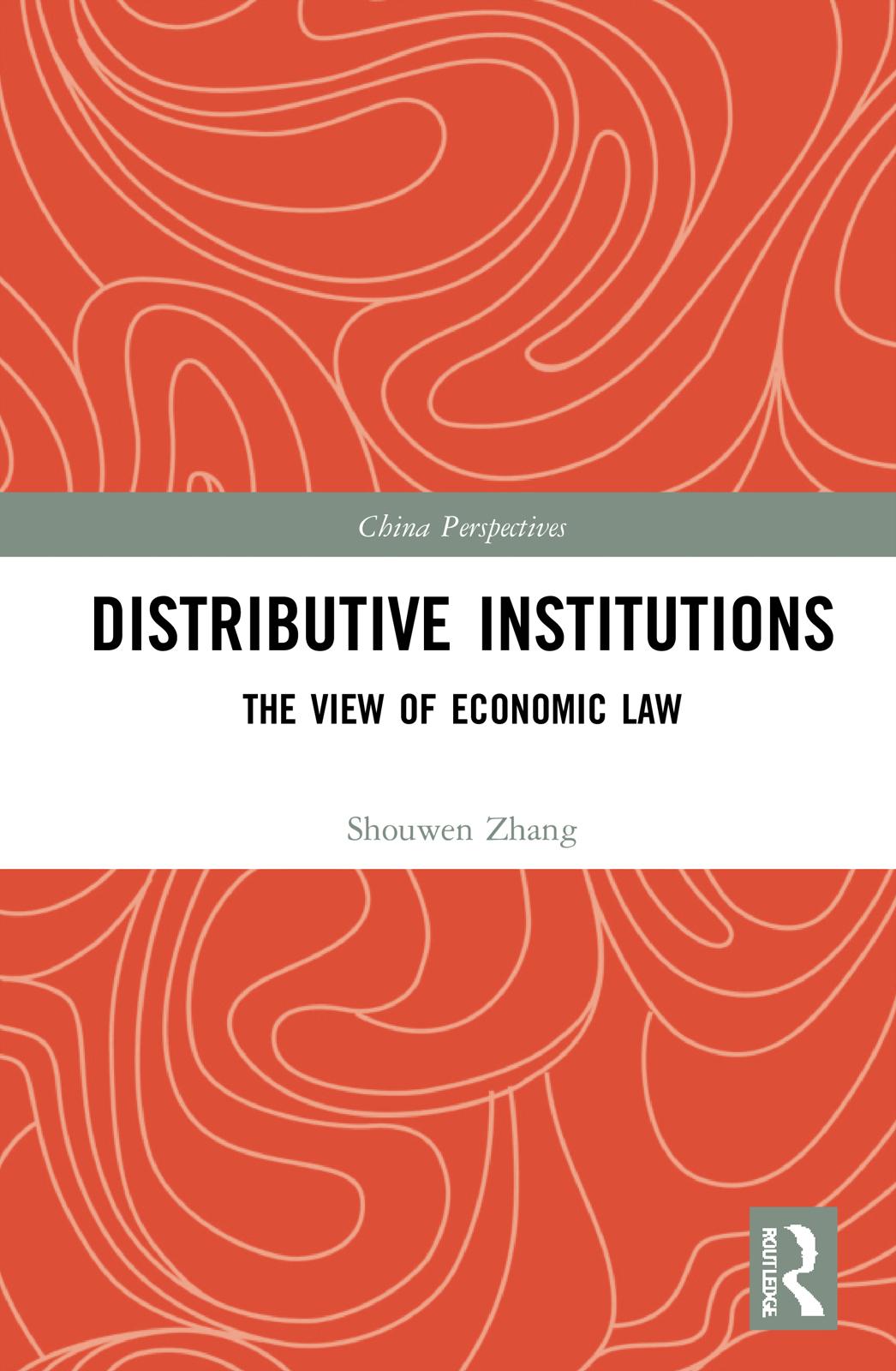
The crisis of distribution is one of the longest standing and most complicated issues facing human society. Imbued with social, political, historic, and cultural elements, it varies significantly across different countries as a result of all these factors. As an emerging economy which transferred from a planned to a market economy, China has experienced large distribution gaps since it implemented the Reform and Opening-up Policy in the early 1980s, requiring stronger economic law to mitigate and regulate the crisis of distribution.
In this second volume, the author analyses crises of distribution from a theoretical perspective and proposes law and policy solutions. Believing that such crises are a collective result of systematic limitations, the author proposes a theoretical framework of “system–distribution–development” in order to resolve distribution problems and promote economic development. He argues that a crisis of distribution cannot be avoided without coordinated development of economic law and relevant constitutional, civil, and commercial law systems. In addition, it is necessary to differentiate the territories, industries, enterprises, and individuals that constitute such diverse systems.
The book should be of keen interest to researchers and students of law, economics, and political science.
Paga facilmente con carta, Klarna, Apple Pay o Google Pay. Non sei soddisfatto? Hai sempre 14 giorni per il rimborso. Leggi di più nei nostri termini. Per qualsiasi domanda, scrivici a hello@memmo.org.
Memmo rende lo studio più facile, ovunque tu sia nel mondo. Qui trovi i tuoi libri di testo e strumenti di studio intelligenti, tutto in un unico posto: riassunti, quiz, podcast e flashcard. E poi c'è Ted, il tuo compagno di studio che risponde a ogni tua domanda. Oltre 50.000 studenti studiano già qui: è stato creato per aiutarti a imparare più velocemente e a stressarti meno.