
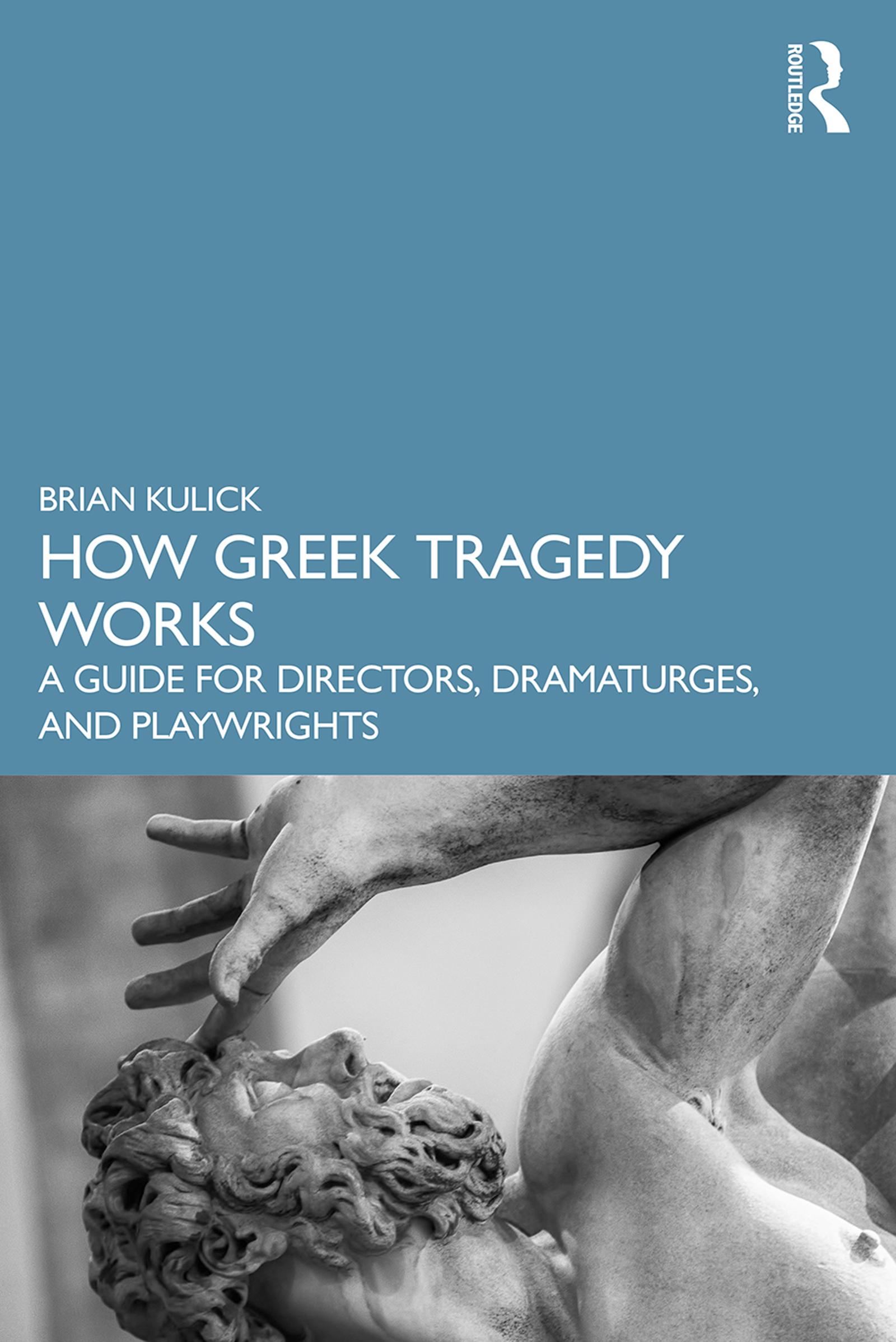
How Greek Tragedy Works is a journey through the hidden meanings and dual nature of Greek tragedy, drawing on its foremost dramatists to bring about a deeper understanding of how and why to engage with these enduring plays.
Brian Kulick dispels the trepidation that many readers feel with regard to classical texts by equipping them with ways in which they can unpack the hidden meanings of these plays. He focuses on three of the key texts of Greek theatre: Aeschylus' Agamemnon, Euripides' The Bacchae, and Sophocles' Electra, and uses them to tease out the core principles of the theatre-making and storytelling impulses. By encouraging us to read between the lines like this, he also enables us to read these and other Greek tragedies as artists' manifestos, equipping us not only to understand tragedy itself, but also to interpret what the great playwrights had to say about the nature of plays and drama.
This is an indispensable guide for anyone who finds themselves confronted with tackling the Greek classics, whether as a reader, scholar, student, or director.
Paga facilmente con carta, Klarna, Apple Pay o Google Pay. Non sei soddisfatto? Hai sempre 14 giorni per il rimborso. Leggi di più nei nostri termini. Per qualsiasi domanda, scrivici a hello@memmo.org.
Memmo rende lo studio più facile, ovunque tu sia nel mondo. Qui trovi i tuoi libri di testo e strumenti di studio intelligenti, tutto in un unico posto: riassunti, quiz, podcast e flashcard. E poi c'è Ted, il tuo compagno di studio che risponde a ogni tua domanda. Oltre 50.000 studenti studiano già qui: è stato creato per aiutarti a imparare più velocemente e a stressarti meno.