
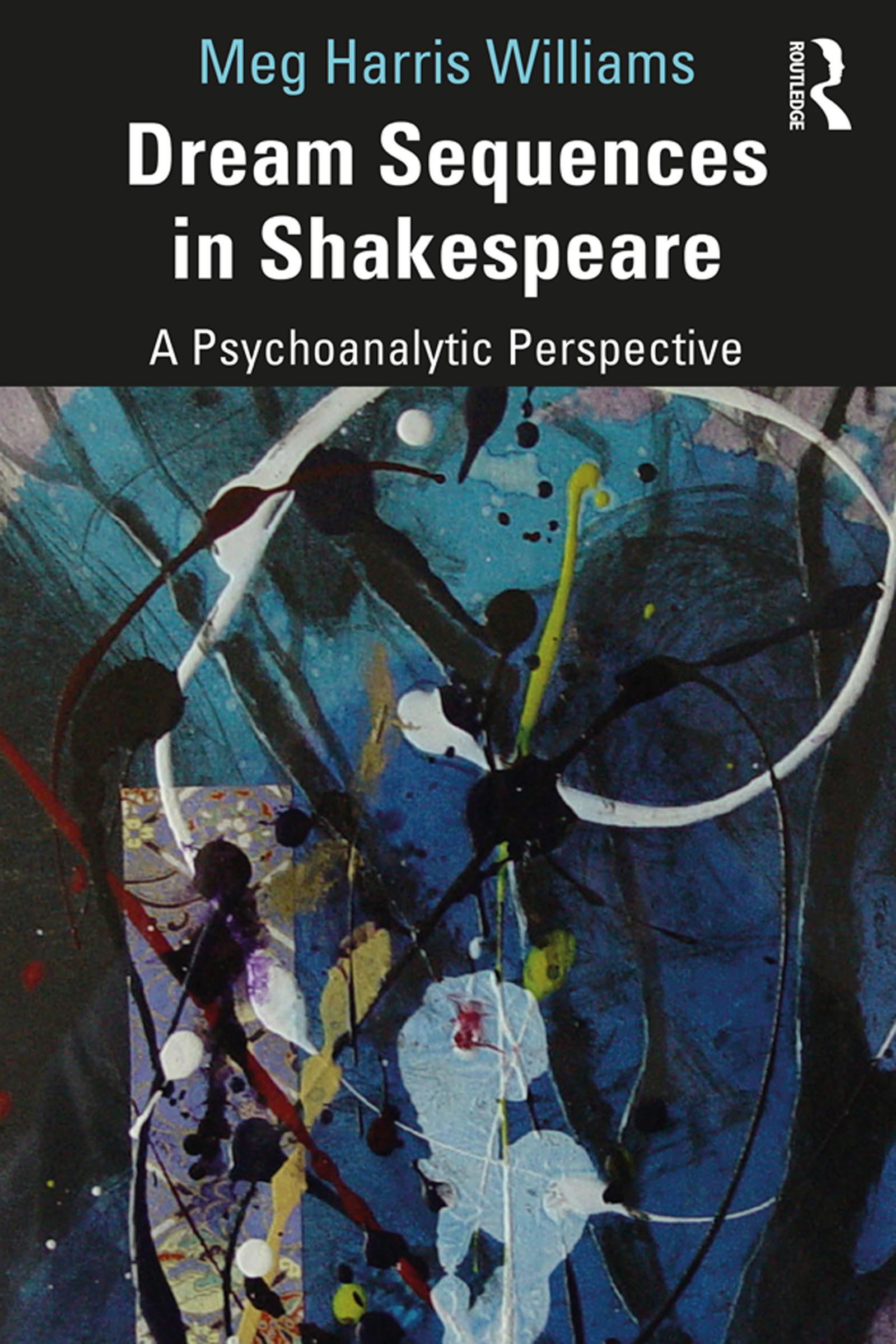
This book takes a new approach to Shakespeare’s plays, exploring them as dream-thought in the modern psychoanalytic sense of unconscious thinking.
Through his commitment to poetic language, Shakespeare offers images and dramatic sequences that illustrate fundamental developmental conflicts, the solutions for which are not preconceived but evolve through the process of dramatisation. In this volume, Meg Harris Williams explores the fundamental distinction between the surface meanings of plot or argument and the deep grammar of dreamlife, applied not only to those plays known as ‘dream-plays’ but also to critical sequences throughout Shakespeare’s oeuvre.
Through a post-Kleinian model based on the thinking of Bion, Meltzer, and Money-Kyrle, this book sheds new light on both Shakespeare’s own relation to the play and on the identificatory processes of the playwright, reader, or audience. Dream Sequences in Shakespeare is important reading for psychoanalysts, playwrights, and students.
Paga facilmente con carta, Klarna, Apple Pay o Google Pay. Non sei soddisfatto? Hai sempre 14 giorni per il rimborso. Leggi di più nei nostri termini. Per qualsiasi domanda, scrivici a hello@memmo.org.
Memmo rende lo studio più facile, ovunque tu sia nel mondo. Qui trovi i tuoi libri di testo e strumenti di studio intelligenti, tutto in un unico posto: riassunti, quiz, podcast e flashcard. E poi c'è Ted, il tuo compagno di studio che risponde a ogni tua domanda. Oltre 50.000 studenti studiano già qui: è stato creato per aiutarti a imparare più velocemente e a stressarti meno.