
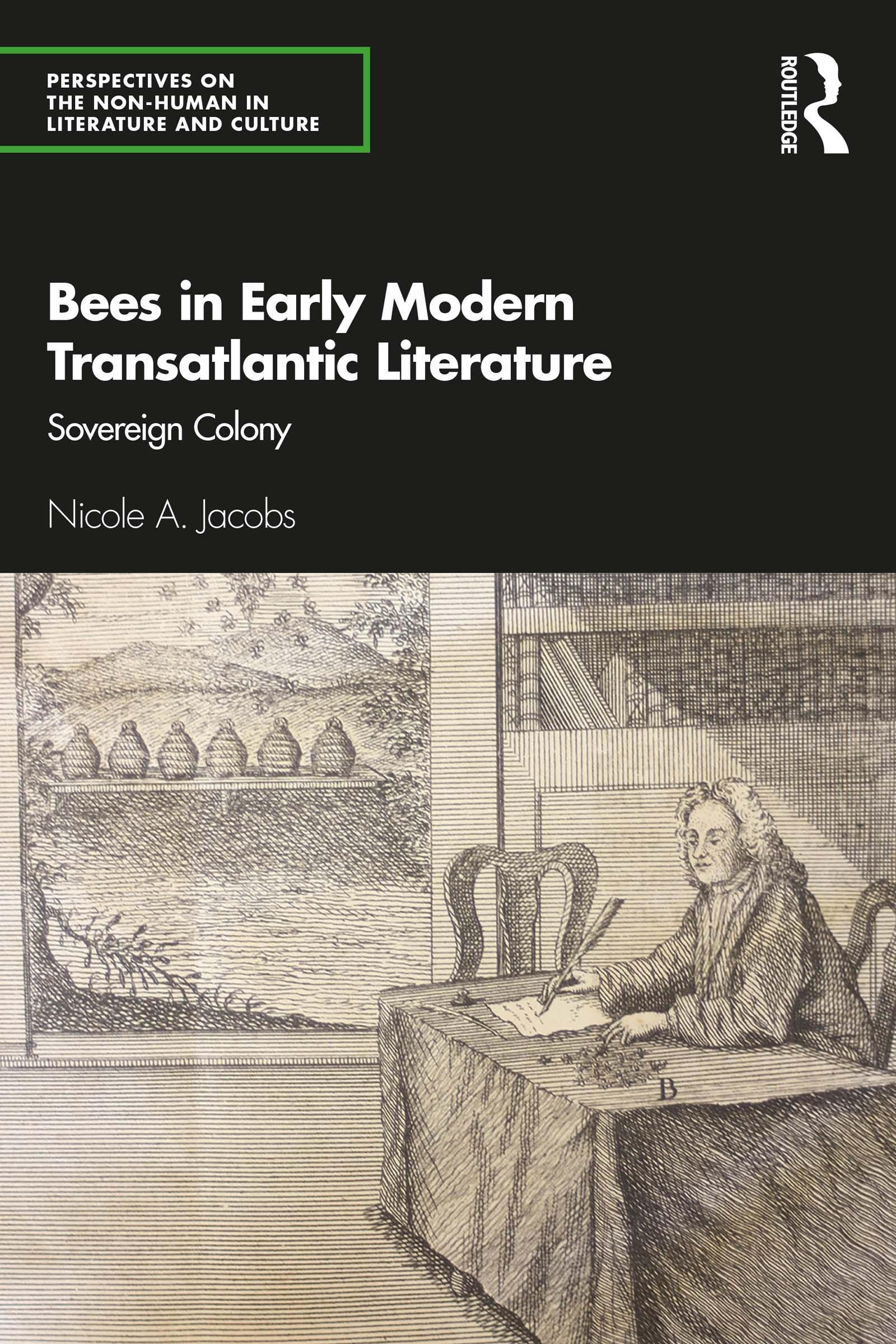
This book examines apian imagery—bees, drones, honey, and the hive—in the seventeenth- and eighteenth-century literary and oral traditions. In England and the New World colonies during a critical period of expansion, the metaphor of this communal society faced unprecedented challenges even as it came to emblematize the process of colonization itself. The beehive connected the labor of those marginalized by race, class, gender, or species to larger considerations of sovereignty. This study examines the works of William Shakespeare; Francis Daniel Pastorius; Hopi, Wyandotte, and Pocasset cultures; John Milton; Hester Pulter; and Bernard Mandeville. Its contribution lies in its exploration of the simultaneously recuperative and destructive narratives that place the bee at the nexus of the human, the animal, and the environment. The book argues that bees play a central representational and physical role in shaping conflicts over hierarchies of the early transatlantic world.
Paga facilmente con carta, Klarna, Apple Pay o Google Pay. Non sei soddisfatto? Hai sempre 14 giorni per il rimborso. Leggi di più nei nostri termini. Per qualsiasi domanda, scrivici a hello@memmo.org.
Memmo rende lo studio più facile, ovunque tu sia nel mondo. Qui trovi i tuoi libri di testo e strumenti di studio intelligenti, tutto in un unico posto: riassunti, quiz, podcast e flashcard. E poi c'è Ted, il tuo compagno di studio che risponde a ogni tua domanda. Oltre 50.000 studenti studiano già qui: è stato creato per aiutarti a imparare più velocemente e a stressarti meno.