
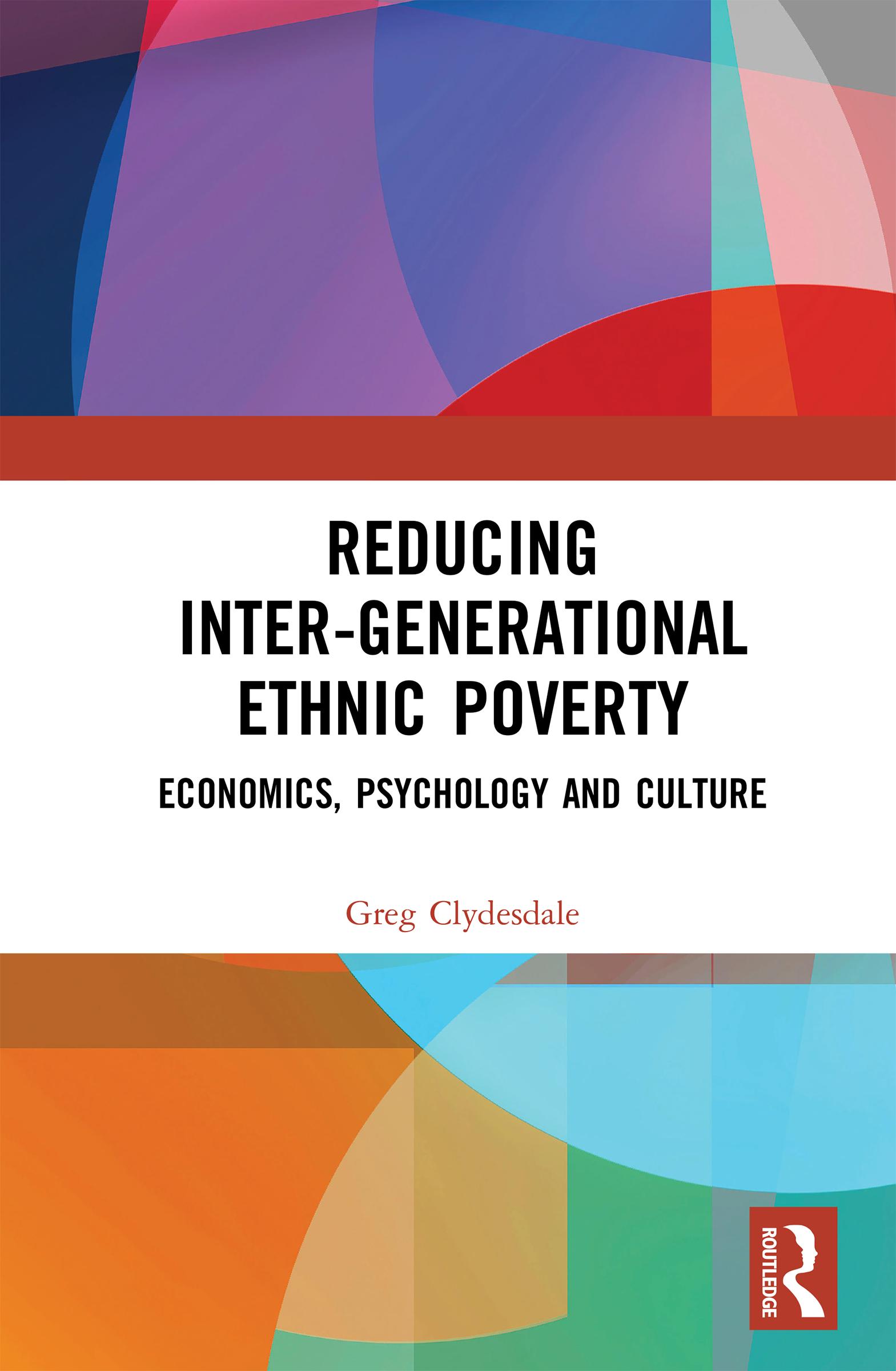
This book looks at human capital development and provides an explanation for why cognitive development varies among ethnic groups. The book uses an interdisciplinary approach to examine inter-generational ethnic poverty. It puts forth an argument that the ethnic poverty gap can be reduced, and to do so we need a broader view of human capital which considers the match between the nature of the economy and the specific capabilities needed. The book focuses on the interrelationship between developmental psychology and socio-economic status and argues that the most important relationship in a knowledge economy is actually the one between a parent and a child.
The book begins by looking at cultures and assimilation and investigates the link between education, culture and socio-economic status. It also attempts to answer the question of what the link between culture, parents and children’s ability is and why ethnic groups vary in their nurturing. It delves into how parenting and cognitive development are interrelated.
This thought-provoking book concludes with an emphasis on nurture and how it may alleviate ethnic poverty and shape social policies. The book provides a strong thesis to counter explanations based on racial and genetic superiority.
Paga facilmente con carta, Klarna, Apple Pay o Google Pay. Non sei soddisfatto? Hai sempre 14 giorni per il rimborso. Leggi di più nei nostri termini. Per qualsiasi domanda, scrivici a hello@memmo.org.
Memmo rende lo studio più facile, ovunque tu sia nel mondo. Qui trovi i tuoi libri di testo e strumenti di studio intelligenti, tutto in un unico posto: riassunti, quiz, podcast e flashcard. E poi c'è Ted, il tuo compagno di studio che risponde a ogni tua domanda. Oltre 50.000 studenti studiano già qui: è stato creato per aiutarti a imparare più velocemente e a stressarti meno.