
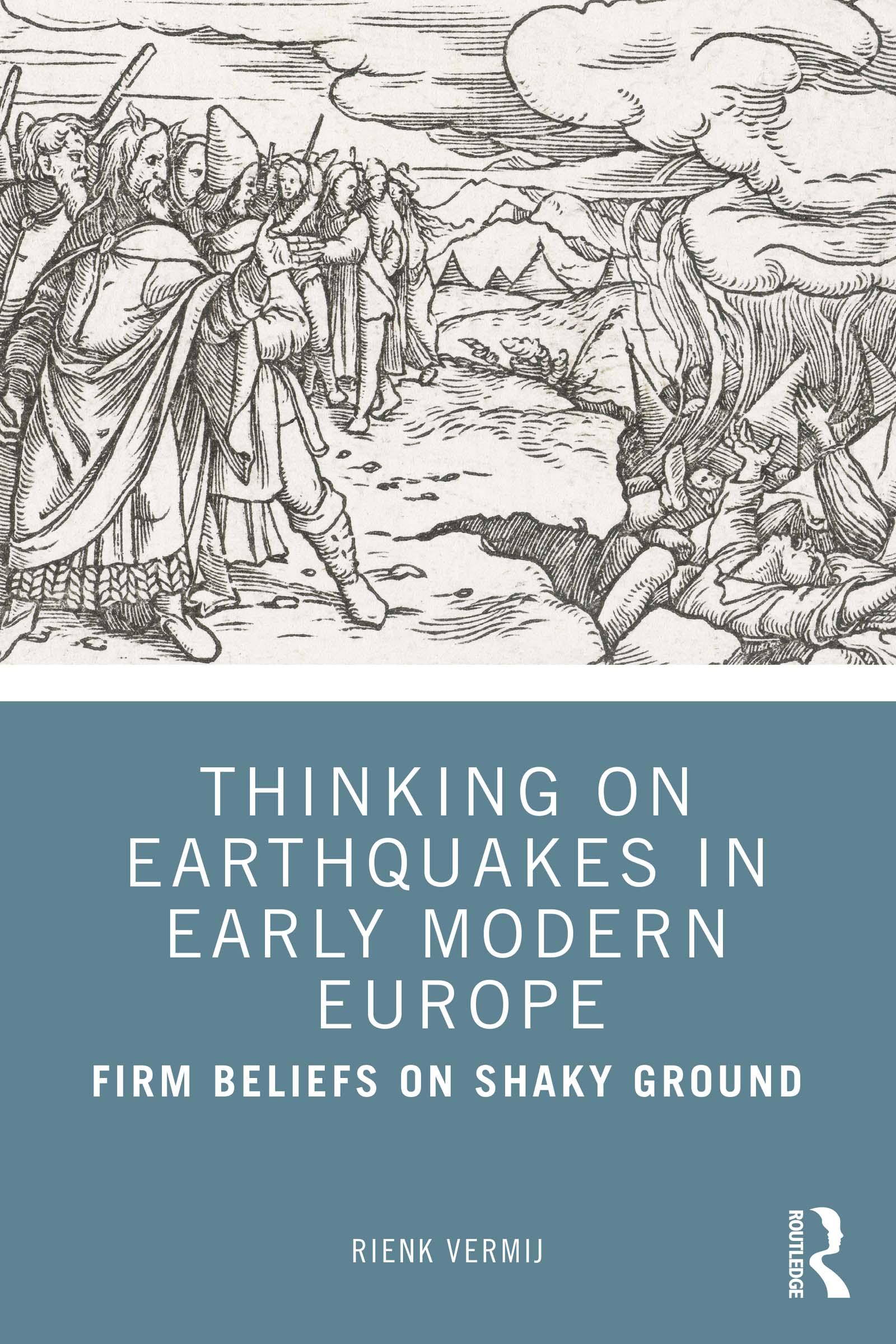
This book is the first extensive study of ideas on earthquakes before the Lisbon earthquake in 1755. The earthquake had a deep impact on European culture, and the reactions to it stood in a long tradition that, before this study, had yet to be explored in detail.
Thinking on Earthquakes investigates both scholarly theories and views that were propagated among the early modern European population. Through a chronological approach, Vermij reveals that in contrast to the Ancient and medieval philosophers who suggested rational explanations for earthquakes, supernatural ideas made a powerful comeback in the sixteenth century. By analysing a variety of sources such as pamphlets, sermons, and treatises, this study shows how changes in the ideas on earthquakes were a result of social and political demands as well as from improvements in the means of communication, rather than from scientific methods. Thus, Vermij presents an illuminating case for the production of knowledge in early modern Europe.
A range of events are explored, including the Ferrara earthquake in 1570 and the Vienna earthquake in 1590, making this study an invaluable source for students and scholars of the history of science and the history of ideas in early modern Europe.
Paga facilmente con carta, Klarna, Apple Pay o Google Pay. Non sei soddisfatto? Hai sempre 14 giorni per il rimborso. Leggi di più nei nostri termini. Per qualsiasi domanda, scrivici a hello@memmo.org.
Memmo rende lo studio più facile, ovunque tu sia nel mondo. Qui trovi i tuoi libri di testo e strumenti di studio intelligenti, tutto in un unico posto: riassunti, quiz, podcast e flashcard. E poi c'è Ted, il tuo compagno di studio che risponde a ogni tua domanda. Oltre 50.000 studenti studiano già qui: è stato creato per aiutarti a imparare più velocemente e a stressarti meno.