
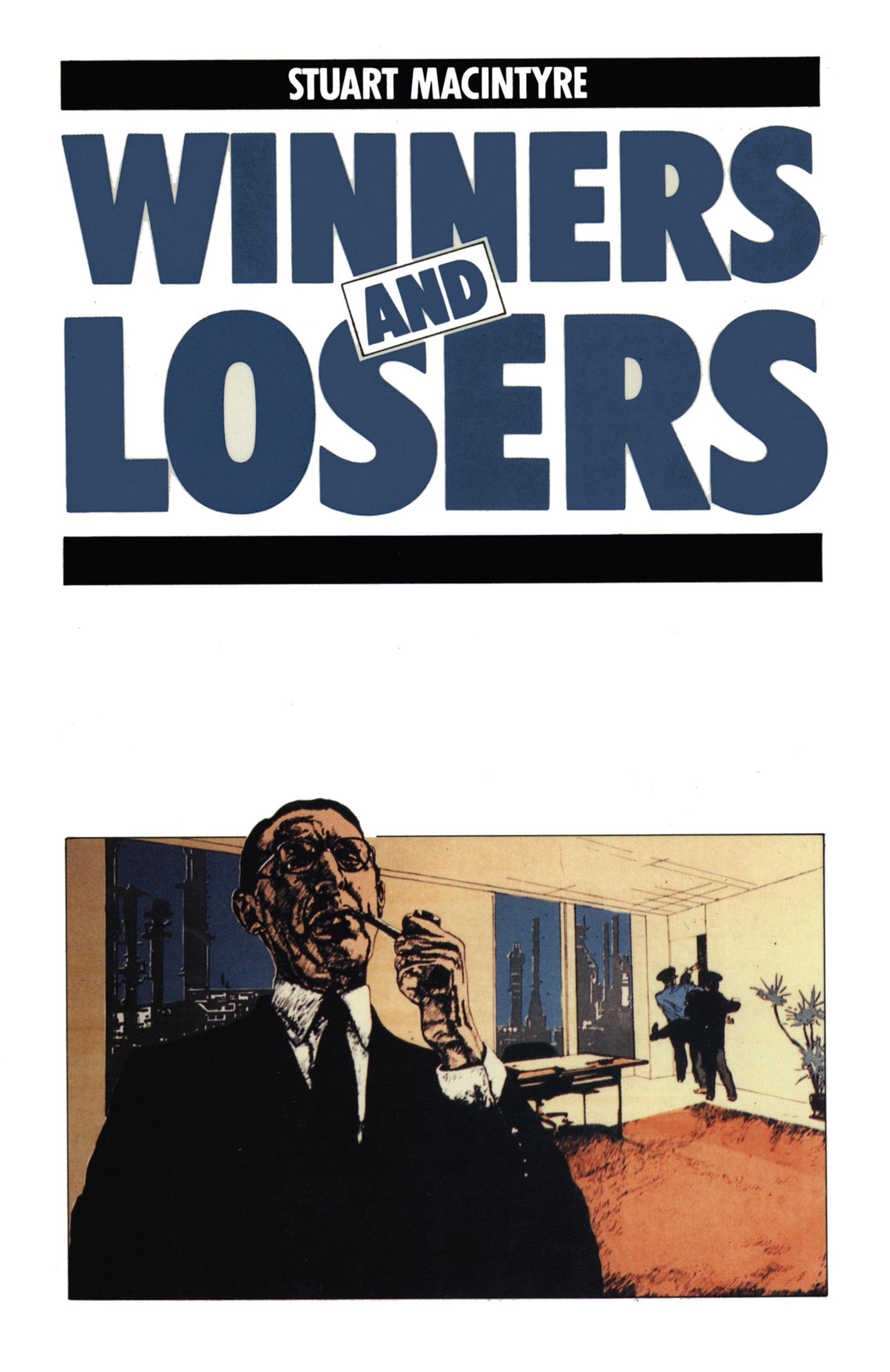
What is a fair wage? Is there a right to work? Is there a right to shelter or to good health? What are the entitlements of those who cannot work? Can opportunities be equal? For women? For Aborigines?
For more than a century, Australians have addressed expectations of social justice to their governments and have had to live with the consequences.
This book looks at how changing circumstances have generated changing popular aspirations, and how these in turn have been translated into public policy. It argues that social justice has no single meaning and is in fact the site of conflicting and divergent endeavours. Precisely for this reason it has a special relevance for the age of consensus.
The first part of this book uses these shifting interpretations of social justice as a lodestar to chart a new course through the history of this country. The second part shows how it operates today as a focus of debate in areas ranging from education to Aboriginal land rights.
The book therefore offers a new perspective on the past and a trenchant analysis of the present. It draws together a wide range of material and presents it by means of case studies that assume no specialist knowledge. It will appeal to students of Australian history, public policy and social welfare; and it is addressed to all readers with an interest in the future of their country.
Paga facilmente con carta, Klarna, Apple Pay o Google Pay. Non sei soddisfatto? Hai sempre 14 giorni per il rimborso. Leggi di più nei nostri termini. Per qualsiasi domanda, scrivici a hello@memmo.org.
Memmo rende lo studio più facile, ovunque tu sia nel mondo. Qui trovi i tuoi libri di testo e strumenti di studio intelligenti, tutto in un unico posto: riassunti, quiz, podcast e flashcard. E poi c'è Ted, il tuo compagno di studio che risponde a ogni tua domanda. Oltre 50.000 studenti studiano già qui: è stato creato per aiutarti a imparare più velocemente e a stressarti meno.