
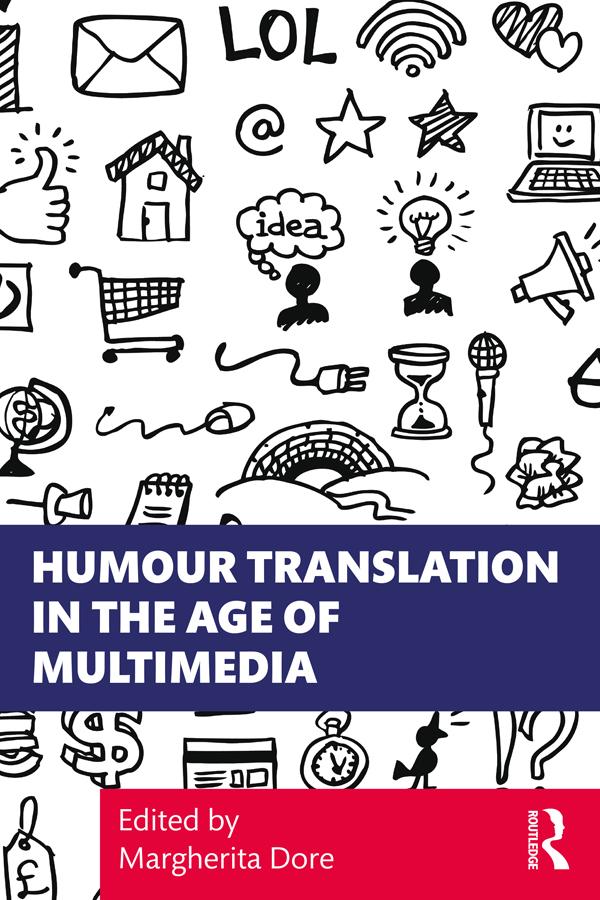
This volume seeks to investigate how humour translation has developed since the beginning of the 21st century, focusing in particular on new ways of communication. The authors, drawn from a range of countries, cultures and academic traditions, address and debate how today’s globalised communication, media and new technologies are influencing and shaping the translation of humour.
Examining both how humour translation exploits new means of communication and how the processes of humour translation may be challenged and enhanced by technologies, the chapters cover theoretical foundations and implications, and methodological practices and challenges. They include a description of current research or practice, and comments on possible future developments. The contributions interconnect around the issue of humour creation and translation in the 21st century, which can truly be labelled as the age of multimedia.
Accessible and engaging, this is essential reading for advanced students and researchers in Translation Studies and Humour Studies.
Paga facilmente con carta, Klarna, Apple Pay o Google Pay. Non sei soddisfatto? Hai sempre 14 giorni per il rimborso. Leggi di più nei nostri termini. Per qualsiasi domanda, scrivici a hello@memmo.org.
Memmo rende lo studio più facile, ovunque tu sia nel mondo. Qui trovi i tuoi libri di testo e strumenti di studio intelligenti, tutto in un unico posto: riassunti, quiz, podcast e flashcard. E poi c'è Ted, il tuo compagno di studio che risponde a ogni tua domanda. Oltre 50.000 studenti studiano già qui: è stato creato per aiutarti a imparare più velocemente e a stressarti meno.