
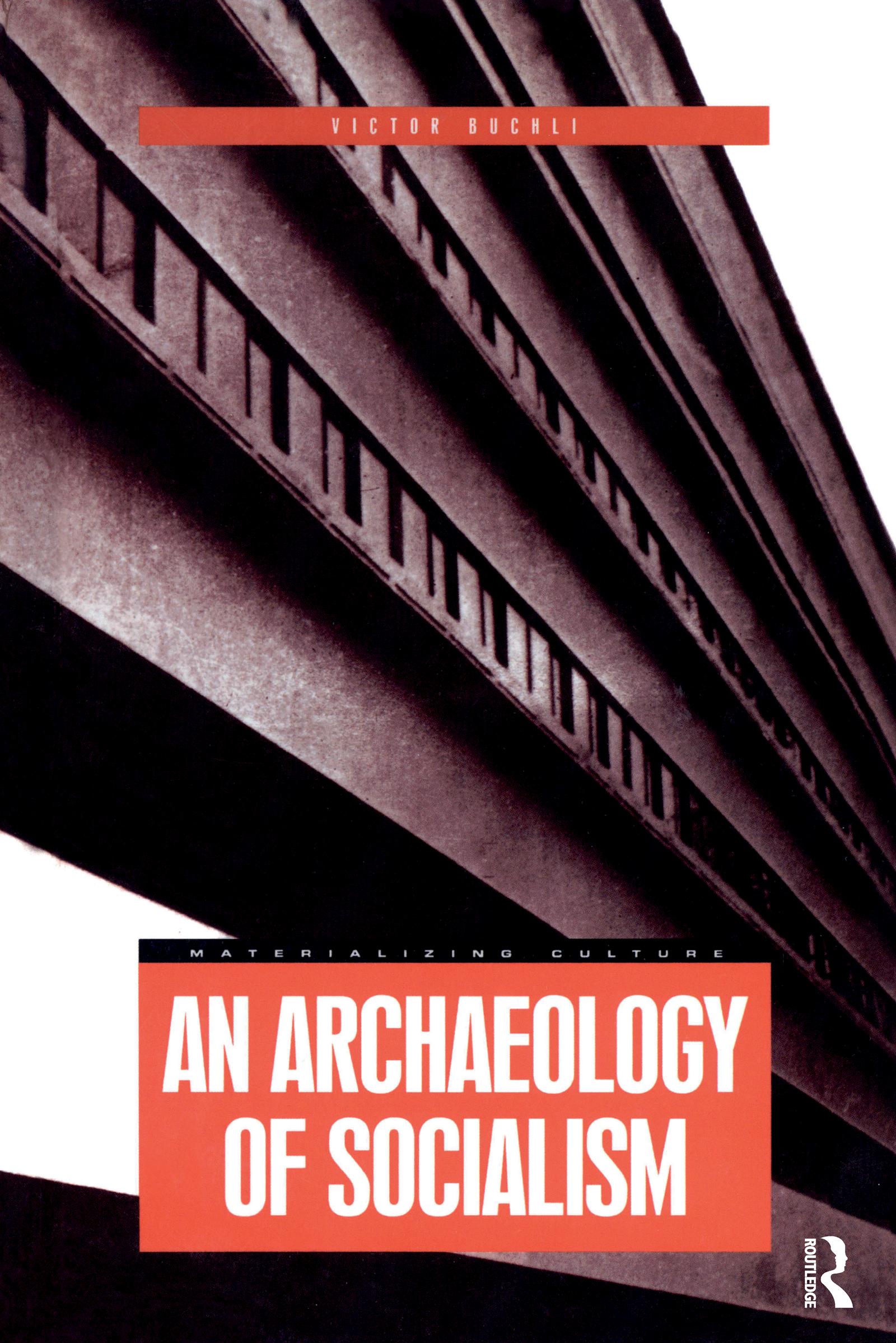
This highly original case study, which adopts a material culture perspective, is unprecedented in social and cultural histories of the Soviet period and provides a unique window on social relations. The author demonstrates how Moisei Ginzburg's Constructivist masterpiece, the Narkomfin Communal House, employed classic Marxist understandings of material culture in an effort to overturn capitalist and patriarchal social structures. Through the edifying effects of architectural forms, Ginzburg attempted to induce socialist and feminist-inspired social and gender relations. The author shows how, for the inhabitants, these principles manifested themselves, from taste to hygiene to gender roles, and how individuals variously appropriated architectural space and material culture to cope with the conditions of daily life, from the utopianism of the First Five Year Plan and Stalin's purges to the collapse of the Soviet Union. This book makes a major contribution to: the history of socialism in the Soviet Union and, more generally, Eastern Europe; material culture studies; architectural history; archaeology and social anthropology.
Pagine: 240
Categoria: Arkitektur & Stadsplanering
e-ISBN: 9781000180664
Peso di spedizione: 1.2 kg
Spedito in: 1-2 giorni
Paga facilmente con carta, Klarna, Apple Pay o Google Pay. Non sei soddisfatto? Hai sempre 14 giorni per il rimborso. Leggi di più nei nostri termini. Per qualsiasi domanda, scrivici a hello@memmo.org.
Memmo rende lo studio più facile, ovunque tu sia nel mondo. Qui trovi i tuoi libri di testo e strumenti di studio intelligenti, tutto in un unico posto: riassunti, quiz, podcast e flashcard. E poi c'è Ted, il tuo compagno di studio che risponde a ogni tua domanda. Oltre 50.000 studenti studiano già qui: è stato creato per aiutarti a imparare più velocemente e a stressarti meno.
Potrebbe interessarti anche
Acquista il libro0