
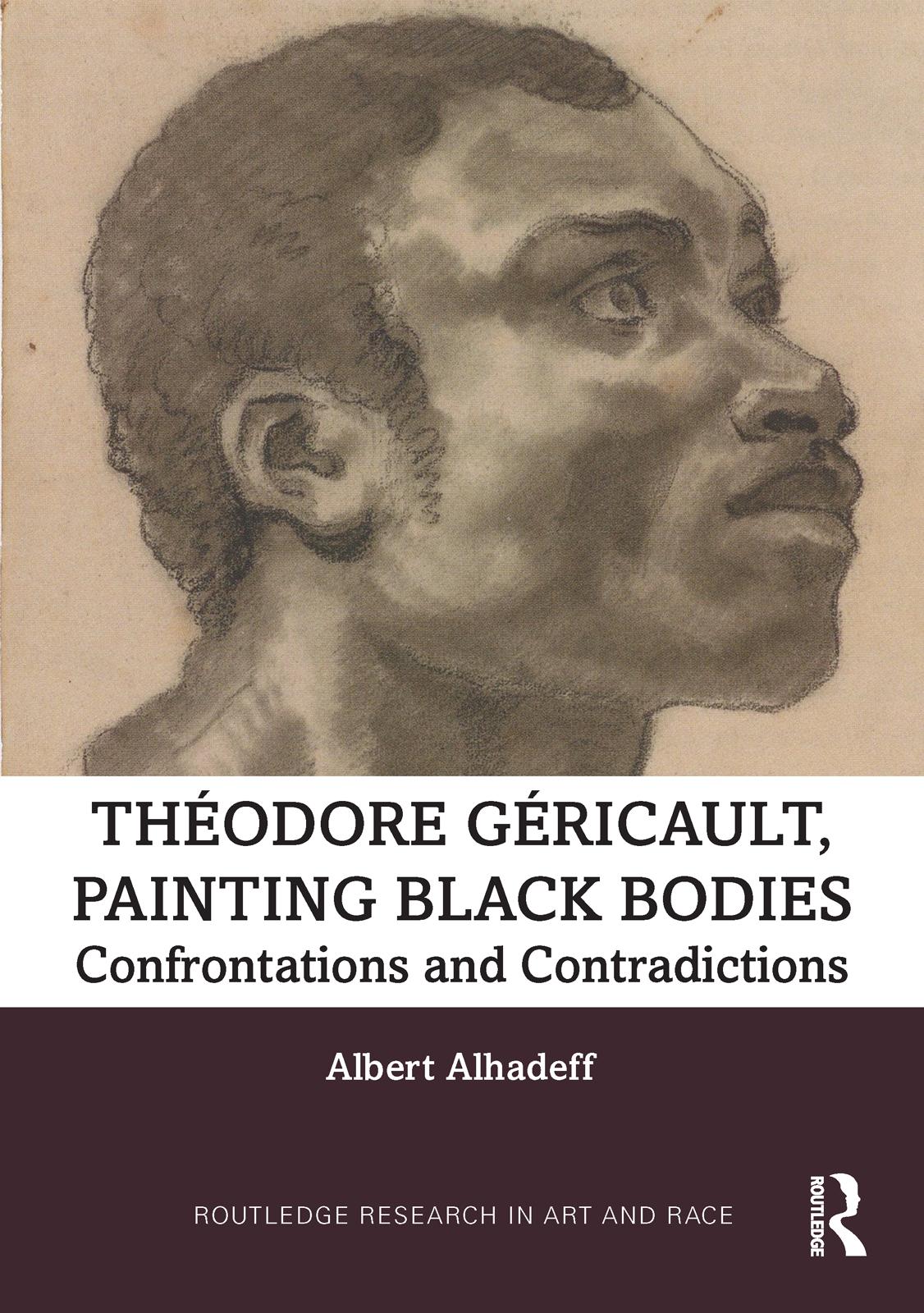
This book examines Théodore Géricault’s images of black men, women and children who suffered slavery’s trans-Atlantic passage in the late eighteenth and early nineteenth centuries, including his 1819 painting The Raft of the Medusa.
The book focuses on Géricault’s depiction of black people, his approach towards slavery, and the voices that advanced or denigrated them. By turning to documents, essays and critiques, both before and after Waterloo (1815), and, most importantly, Géricault’s own oeuvre, this study explores the fetters of slavery that Gericault challenged—alongside a growing number of abolitionists—overtly or covertly.
This book will be of interest to scholars in art history, race and ethnic studies and students of modernism.
Paga facilmente con carta, Klarna, Apple Pay o Google Pay. Non sei soddisfatto? Hai sempre 14 giorni per il rimborso. Leggi di più nei nostri termini. Per qualsiasi domanda, scrivici a hello@memmo.org.
Memmo rende lo studio più facile, ovunque tu sia nel mondo. Qui trovi i tuoi libri di testo e strumenti di studio intelligenti, tutto in un unico posto: riassunti, quiz, podcast e flashcard. E poi c'è Ted, il tuo compagno di studio che risponde a ogni tua domanda. Oltre 50.000 studenti studiano già qui: è stato creato per aiutarti a imparare più velocemente e a stressarti meno.