
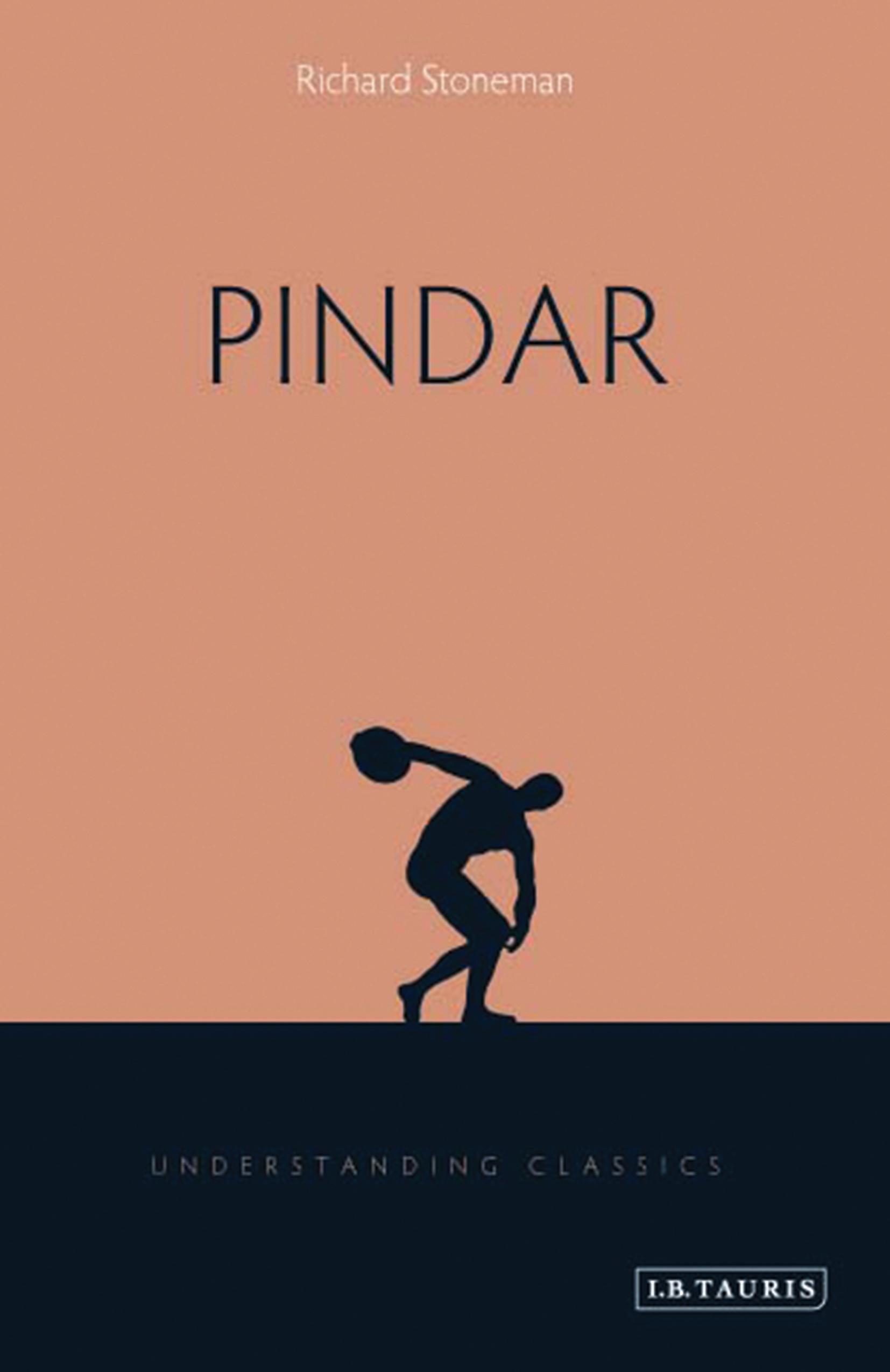
The 6th/5th century BCE Greek melic (or songwriting) poet Pindar was one of the most celebrated lyricists of antiquity. His famous victory odes offer a paean to the heroic athlete, and collectively are an attempt to encapsulate, through choral songs of exaltation, the glory of the sportsman's moment of victory - whether in athletics or horse-racing - at a variety of Panhellenic festivals and Olympian games. Yet Pindar, though still respected, is now considered a difficult poet, and is sometimes dismissed as a reactionary, celebrating an aristocratic world that was passing and that deserved to pass. In this first work on the subject for many years, Richard Stoneman shows that Pindar's works, while at first seeming obscure and fragmentary, reward further study. An unmatched craftsman with words, and witness to a profoundly religious sensibility, he is a poet who takes modern readers to the heart of Greek ideas about the gods, fleeting human achievement and fallibility. The author examines questions of performance and genre; patronage; imagery; and reception, beginning with Horace.
Paga facilmente con carta, Klarna, Apple Pay o Google Pay. Non sei soddisfatto? Hai sempre 14 giorni per il rimborso. Leggi di più nei nostri termini. Per qualsiasi domanda, scrivici a hello@memmo.org.
Memmo rende lo studio più facile, ovunque tu sia nel mondo. Qui trovi i tuoi libri di testo e strumenti di studio intelligenti, tutto in un unico posto: riassunti, quiz, podcast e flashcard. E poi c'è Ted, il tuo compagno di studio che risponde a ogni tua domanda. Oltre 50.000 studenti studiano già qui: è stato creato per aiutarti a imparare più velocemente e a stressarti meno.