
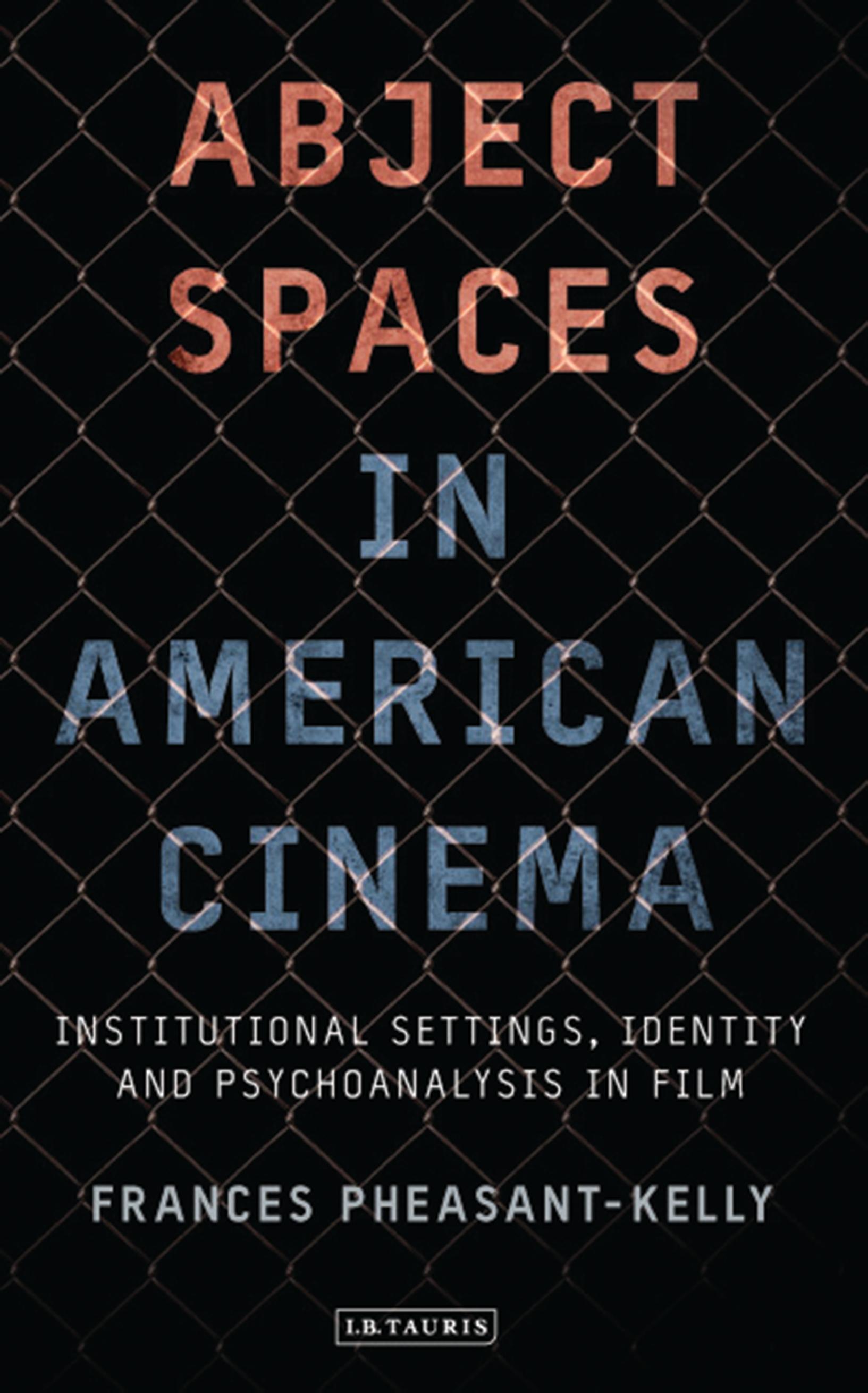
American cinema abounds with films set in prisons, asylums, hospitals and other institutions. Rather than orderly places of recovery and rehabilitation, these institutional settings emerge as abject spaces of control and repression in which adult identity is threatened as a narrative impetus. Exploring the abject through issues as diverse as racism, mental illness or the preservation of bodies for organ donation, thi book analyses a range of films including One Flew Over the Cuckoo's Nest (1975), The Shawshank Redemption (1994), Full Metal Jacket (1987) and Girl, Interrupted (1999) through to cult films such as Carrie (1976) and Bubba Ho-tep (2002). In these films, locations of coherence and order become places where the internal and repressed aspects of the body, individual and social, threaten to overwhelm the individual. Identity is compromised through harsh conditions, extreme discipline, the exertion of absolute control, and above all the restriction of personal space.
Symbolically infantilised, forced to reassess aspects of the adult, the only escape is through violence; the eponymous Carrie escapes from her cupboard for a massacre, the women of Girl, Interrupted mutilate and annihilate themselves and Kubrick's Gomer Pyle shoots sadistic patriarch Sergeant Hartman in the 'head'. By analysing scenes of horror and disgust within the context of abject space, Frances Pheasant-Kelly reveals how threats to identity manifest in scenes of torture, horror and psychosexual repression and are resolved either through death or through traumatic re-entry into the outside world. Bringing together contemporary theoretical debates and critical disciplines, Abject Spaces in American Cinema offers a coherent and meaningful analysis of institutonal films and shows that the chaos of the abject space cannot be resolved- only escaped. This readable and engging tour of the abject in the institution of film will be immensely valuable to students of Film Studies, Critical Theory and Cultural Studies.
Symbolically infantilised, forced to reassess aspects of the adult, the only escape is through violence; the eponymous Carrie escapes from her cupboard for a massacre, the women of Girl, Interrupted mutilate and annihilate themselves and Kubrick's Gomer Pyle shoots sadistic patriarch Sergeant Hartman in the 'head'. By analysing scenes of horror and disgust within the context of abject space, Frances Pheasant-Kelly reveals how threats to identity manifest in scenes of torture, horror and psychosexual repression and are resolved either through death or through traumatic re-entry into the outside world. Bringing together contemporary theoretical debates and critical disciplines, Abject Spaces in American Cinema offers a coherent and meaningful analysis of institutonal films and shows that the chaos of the abject space cannot be resolved- only escaped. This readable and engging tour of the abject in the institution of film will be immensely valuable to students of Film Studies, Critical Theory and Cultural Studies.
Pagine: 288
Categoria: Film- & Medievetenskap
e-ISBN: 9780857733672
Peso di spedizione: 1.2 kg
Spedito in: 1-2 giorni
Paga facilmente con carta, Klarna, Apple Pay o Google Pay. Non sei soddisfatto? Hai sempre 14 giorni per il rimborso. Leggi di più nei nostri termini. Per qualsiasi domanda, scrivici a hello@memmo.org.
Memmo rende lo studio più facile, ovunque tu sia nel mondo. Qui trovi i tuoi libri di testo e strumenti di studio intelligenti, tutto in un unico posto: riassunti, quiz, podcast e flashcard. E poi c'è Ted, il tuo compagno di studio che risponde a ogni tua domanda. Oltre 50.000 studenti studiano già qui: è stato creato per aiutarti a imparare più velocemente e a stressarti meno.