
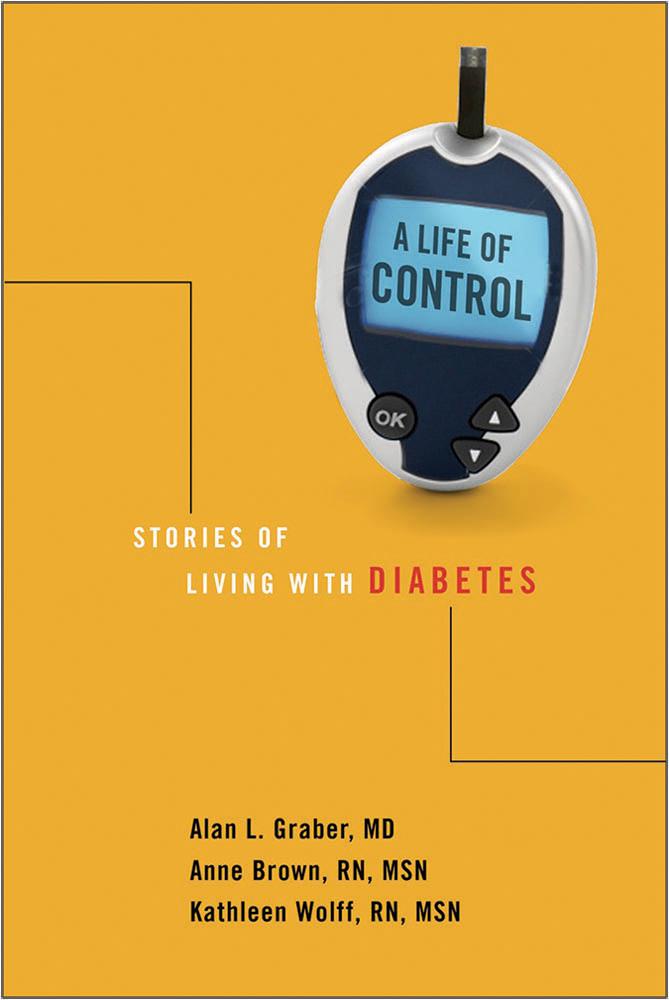
The people who describe their experiences with diabetes range from teenagers to physicians, immigrants, athletes, pregnant women, accountants, a prisoner, and a dairy farmer. They speak of the variety of ways they handle monitoring, diet, insurance coverage, sports, and fashion. Some talk of how they manage to drive trucks for a living or, for recreation, fly airplanes or go spelunking. Many speak frankly of their anxieties and frustrations.
The authors acknowledge that both the patient and clinician have a story about their relationship, and describe the richness and tension in their interaction. Families, too, are sources of both support and conflict. These relationships are acknowledged in the organization of the book, which is divided into sections defined by the main elements of diabetes control: patient self-determination, the role of the family, the social situation, and the patient-clinician encounter.
The book provides a wealth of information about diabetes, including material on prevention, complications, and new technology, as well as a superb glossary, but it is not intended as a textbook on diabetes or as a self-care manual for patients. Rather the book provides a textured account of the health professional's view of diabetes control and the perspective of the patient whose life is complicated by diabetes.
Paga facilmente con carta, Klarna, Apple Pay o Google Pay. Non sei soddisfatto? Hai sempre 14 giorni per il rimborso. Leggi di più nei nostri termini. Per qualsiasi domanda, scrivici a hello@memmo.org.
Memmo rende lo studio più facile, ovunque tu sia nel mondo. Qui trovi i tuoi libri di testo e strumenti di studio intelligenti, tutto in un unico posto: riassunti, quiz, podcast e flashcard. E poi c'è Ted, il tuo compagno di studio che risponde a ogni tua domanda. Oltre 50.000 studenti studiano già qui: è stato creato per aiutarti a imparare più velocemente e a stressarti meno.