
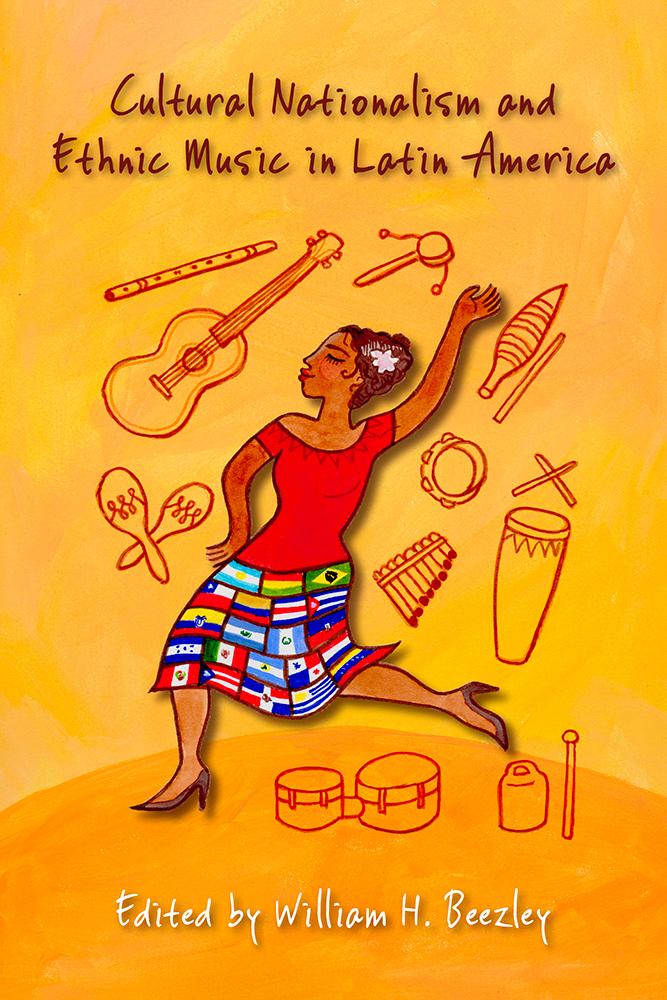
Music has been critical to national identity in Latin America, especially since the worldwide emphasis on nations and cultural identity that followed World War I. Unlike European countries with unified ethnic populations, Latin American nations claimed blended ethnicities—indigenous, Caucasian, African, and Asian—and the process of national stereotyping that began in the 1920s drew on themes of indigenous and African cultures. Composers and performers drew on the folklore and heritage of ethnic and immigrant groups in different nations to produce what became the music representative of different countries. Mexico became the nation of mariachi bands, Argentina the land of the tango, Brazil the country of Samba, and Cuba the island of Afro-Cuban rhythms, including the rhumba. The essays collected here offer a useful introduction to the twin themes of music and national identity and melodies and ethnic identification. The contributors examine a variety of countries where powerful historical movements were shaped intentionally by music.
Paga facilmente con carta, Klarna, Apple Pay o Google Pay. Non sei soddisfatto? Hai sempre 14 giorni per il rimborso. Leggi di più nei nostri termini. Per qualsiasi domanda, scrivici a hello@memmo.org.
Memmo rende lo studio più facile, ovunque tu sia nel mondo. Qui trovi i tuoi libri di testo e strumenti di studio intelligenti, tutto in un unico posto: riassunti, quiz, podcast e flashcard. E poi c'è Ted, il tuo compagno di studio che risponde a ogni tua domanda. Oltre 50.000 studenti studiano già qui: è stato creato per aiutarti a imparare più velocemente e a stressarti meno.