
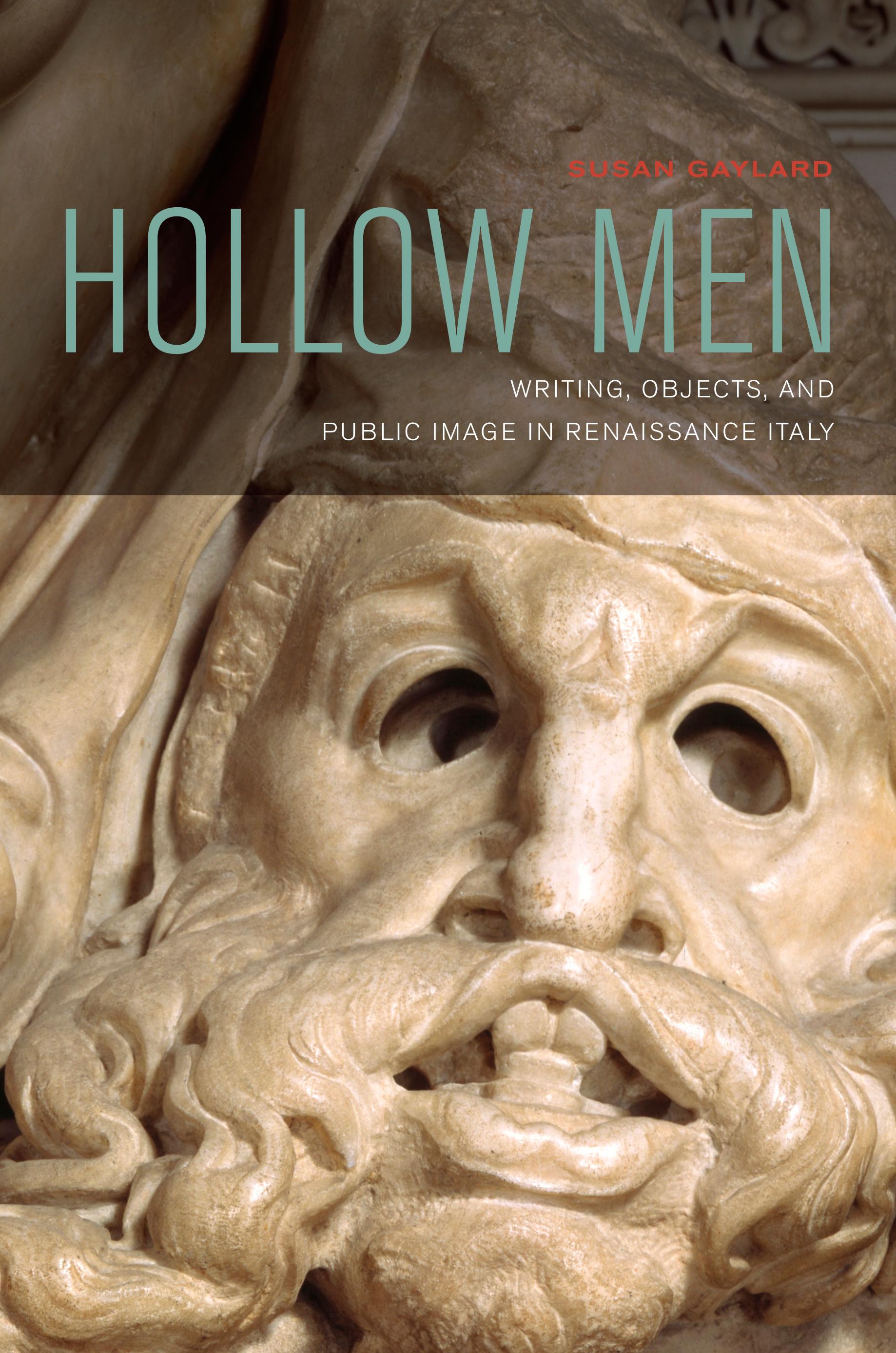
This book relates developments in the visual arts and printing to humanist theories of literary and bodily imitation, bringing together fifteenth- and sixteenth-century frescoes, statues, coins, letters, dialogues, epic poems, personal emblems, and printed collections of portraits. Its interdisciplinary analyses show that Renaissance theories of emulating classical heroes generated a deep skepticism about self-presentation, ultimately contributing to a new awareness of representation as representation.
Hollow Men shows that the Renaissance questioning of “interiority” derived from a visual ideal, the monument that was the basis of teachings about imitation. In fact, the decline of exemplary pedagogy and the emergence of modern masculine subjectivity were well underway in the mid–fifteenth century, and these changes were hastened by the rapid development of the printed image.
Paga facilmente con carta, Klarna, Apple Pay o Google Pay. Non sei soddisfatto? Hai sempre 14 giorni per il rimborso. Leggi di più nei nostri termini. Per qualsiasi domanda, scrivici a hello@memmo.org.
Memmo rende lo studio più facile, ovunque tu sia nel mondo. Qui trovi i tuoi libri di testo e strumenti di studio intelligenti, tutto in un unico posto: riassunti, quiz, podcast e flashcard. E poi c'è Ted, il tuo compagno di studio che risponde a ogni tua domanda. Oltre 50.000 studenti studiano già qui: è stato creato per aiutarti a imparare più velocemente e a stressarti meno.