
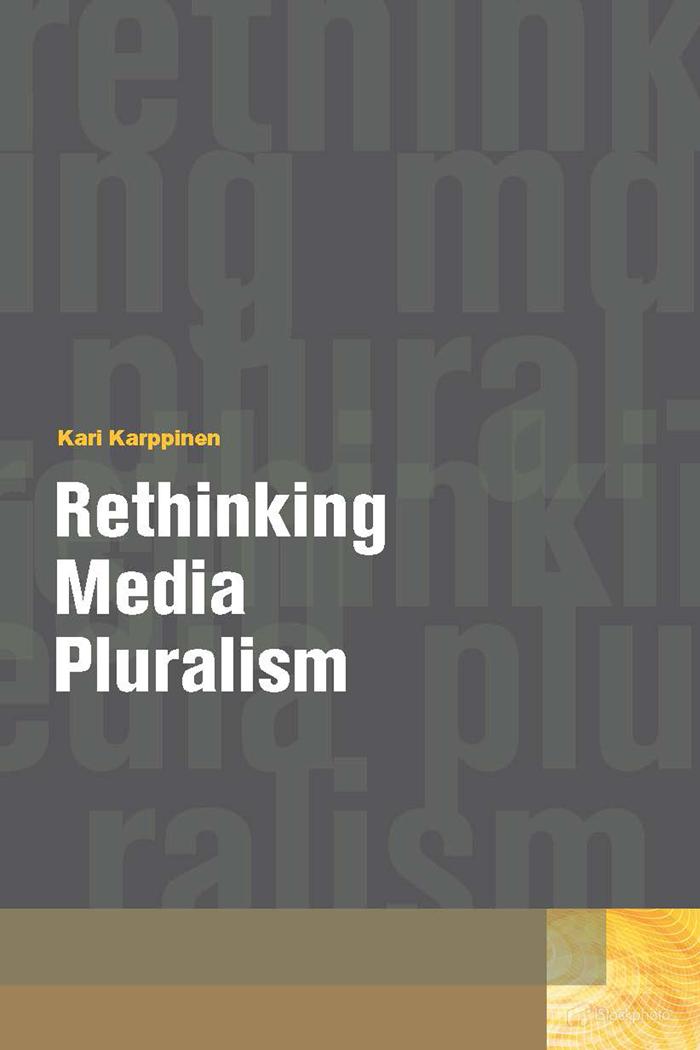
Access to a broad range of different political views and cultural expressions is often regarded as a self-evident value in both theoretical and political debates on media and democracy. Pluralism is commonly accepted as a guiding principle of media policy in addressing media concentration, the role of public service media, or more recently such questions as how to respond to search engines, social networking sites, and citizen media. However, opinions on the meaning and nature of media pluralism as a concept vary widely, and definitions of it can easily be adjusted to suit different political purposes.
Rethinking Media Pluralism contends that the notions of media pluralism and diversity have been reduced to empty catchphrases or conflated with consumer choice and market competition. In this narrow logic, key questions about social and political values, democracy, and citizenship are left unexamined. In this provocative new book, Kari Karppinen argues that media pluralism needs to be rescued from its depoliticized uses and re-imagined more broadly as a normative value that refers to the distribution of communicative power in the public sphere. Instead of something that could simply be measured through the number of media outlets available, media pluralism should be understood in terms of its ability to challenge inequalities and create a more democratic public sphere.
Paga facilmente con carta, Klarna, Apple Pay o Google Pay. Non sei soddisfatto? Hai sempre 14 giorni per il rimborso. Leggi di più nei nostri termini. Per qualsiasi domanda, scrivici a hello@memmo.org.
Memmo rende lo studio più facile, ovunque tu sia nel mondo. Qui trovi i tuoi libri di testo e strumenti di studio intelligenti, tutto in un unico posto: riassunti, quiz, podcast e flashcard. E poi c'è Ted, il tuo compagno di studio che risponde a ogni tua domanda. Oltre 50.000 studenti studiano già qui: è stato creato per aiutarti a imparare più velocemente e a stressarti meno.