
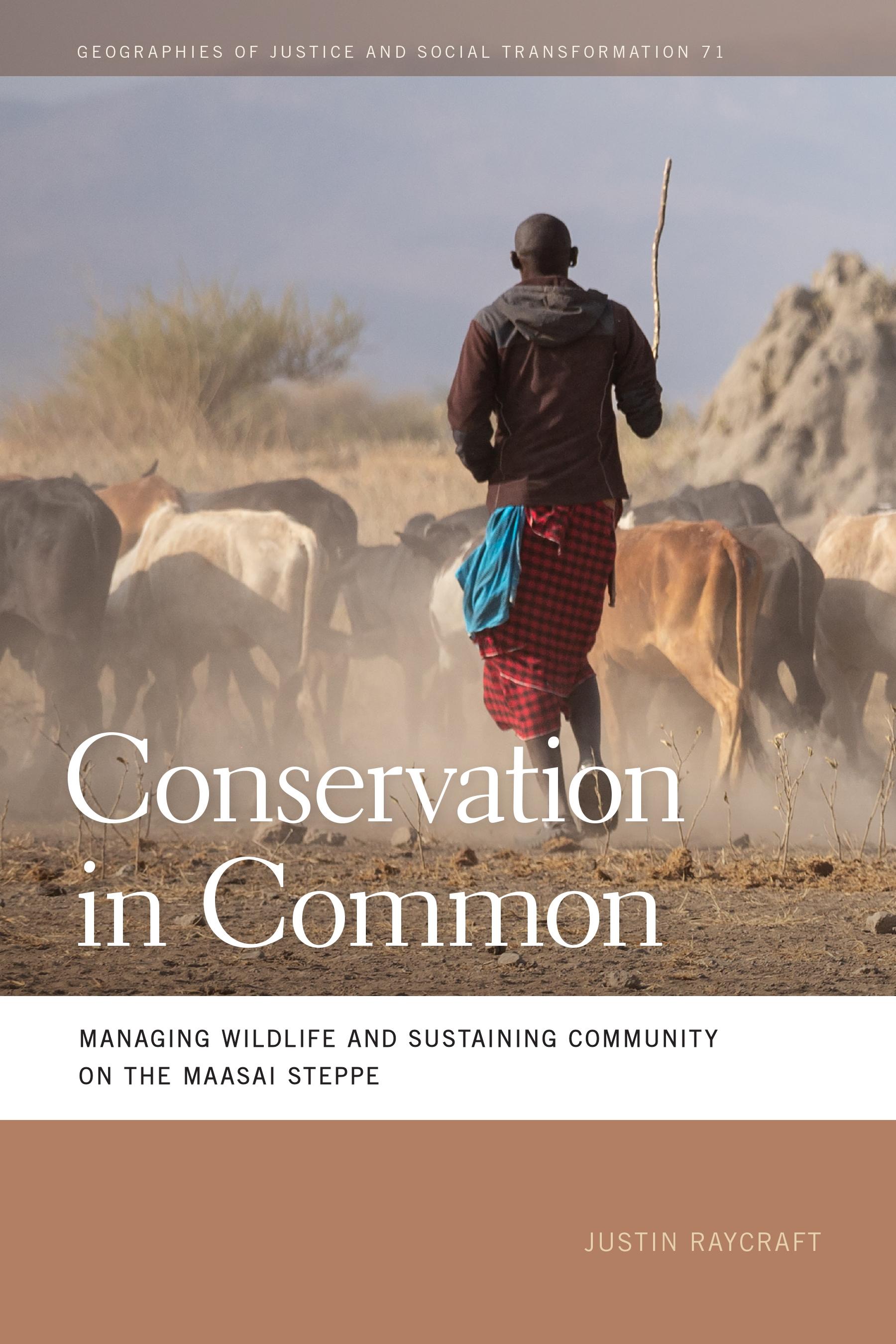
Wildlife conservation in Tanzania is fraught with conflicts between the state, international organizations, private investors, and local communities over the rights to rangeland resources and the benefit streams associated with safari tourism. This book takes up the question of how a Wildlife Management Area (WMA) in Tanzania’s Tarangire ecosystem is viewed from the bottom up, by the people who are directly affected by its implementation. Based on historically grounded ethnographic research, Justin Raycraft documents a shift in local attitudes toward Randilen WMA—from fear and protest to widespread support. He analyzes this process of transformation in the context of empathetic management practices that have fostered feelings of trust and uncovered common ground between conservation stakeholders. Raycraft shows that although WMAs are not fully devolved to the local level, pastoral communities can use them to defend the things they value most: their land and livelihoods. Conservation in Common makes a much-needed intervention in critical political ecology literature by providing the first account of a conservation area in Tanzania that serves the interests of its local community, thereby making the case that protecting wildlife habitat and safeguarding human well-being are not mutually exclusive activities.
Paga facilmente con carta, Klarna, Apple Pay o Google Pay. Non sei soddisfatto? Hai sempre 14 giorni per il rimborso. Leggi di più nei nostri termini. Per qualsiasi domanda, scrivici a hello@memmo.org.
Memmo rende lo studio più facile, ovunque tu sia nel mondo. Qui trovi i tuoi libri di testo e strumenti di studio intelligenti, tutto in un unico posto: riassunti, quiz, podcast e flashcard. E poi c'è Ted, il tuo compagno di studio che risponde a ogni tua domanda. Oltre 50.000 studenti studiano già qui: è stato creato per aiutarti a imparare più velocemente e a stressarti meno.
Potrebbe interessarti anche
Acquista il libro0