
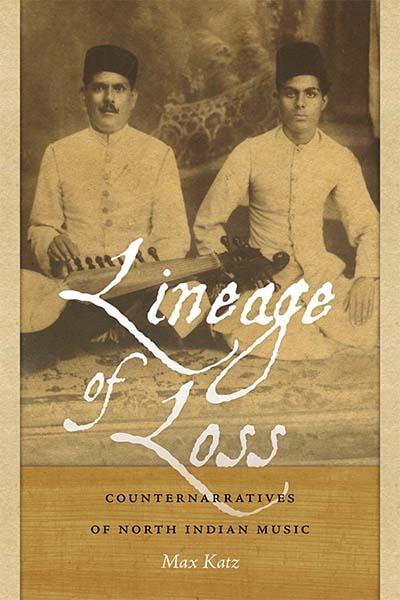
In the middle of the nineteenth century a new family of hereditary musicians emerged in the royal court of Lucknow and subsequently rose to the heights of renown throughout North India. Today this musical lineage, or ghar n, lives on in the music and memories of only a small handful of descendants and players of the family instrument, the sarod. Drawing on six years of ethnographic and archival research, and fifteen years of musical apprenticeship, Max Katz explores the oral history and written record of the Lucknow ghar n ,tracing its displacement, loss of prestige, and erasure from the collective memory. In doing so he illuminates a hidden history of ideological and social struggle in North Indian music culture, intervenes in ongoing debates over the anti-Muslim agenda of Hindustani music's reform movement, and reanimates a lost vision in which Muslim scholar-artists defined the music of the nation. An interdisciplinary, postmodern counter-history, Lineage of Loss offers a new and unsettling narrative of Hindustani music's encounter with modernity.
Paga facilmente con carta, Klarna, Apple Pay o Google Pay. Non sei soddisfatto? Hai sempre 14 giorni per il rimborso. Leggi di più nei nostri termini. Per qualsiasi domanda, scrivici a hello@memmo.org.
Memmo rende lo studio più facile, ovunque tu sia nel mondo. Qui trovi i tuoi libri di testo e strumenti di studio intelligenti, tutto in un unico posto: riassunti, quiz, podcast e flashcard. E poi c'è Ted, il tuo compagno di studio che risponde a ogni tua domanda. Oltre 50.000 studenti studiano già qui: è stato creato per aiutarti a imparare più velocemente e a stressarti meno.