
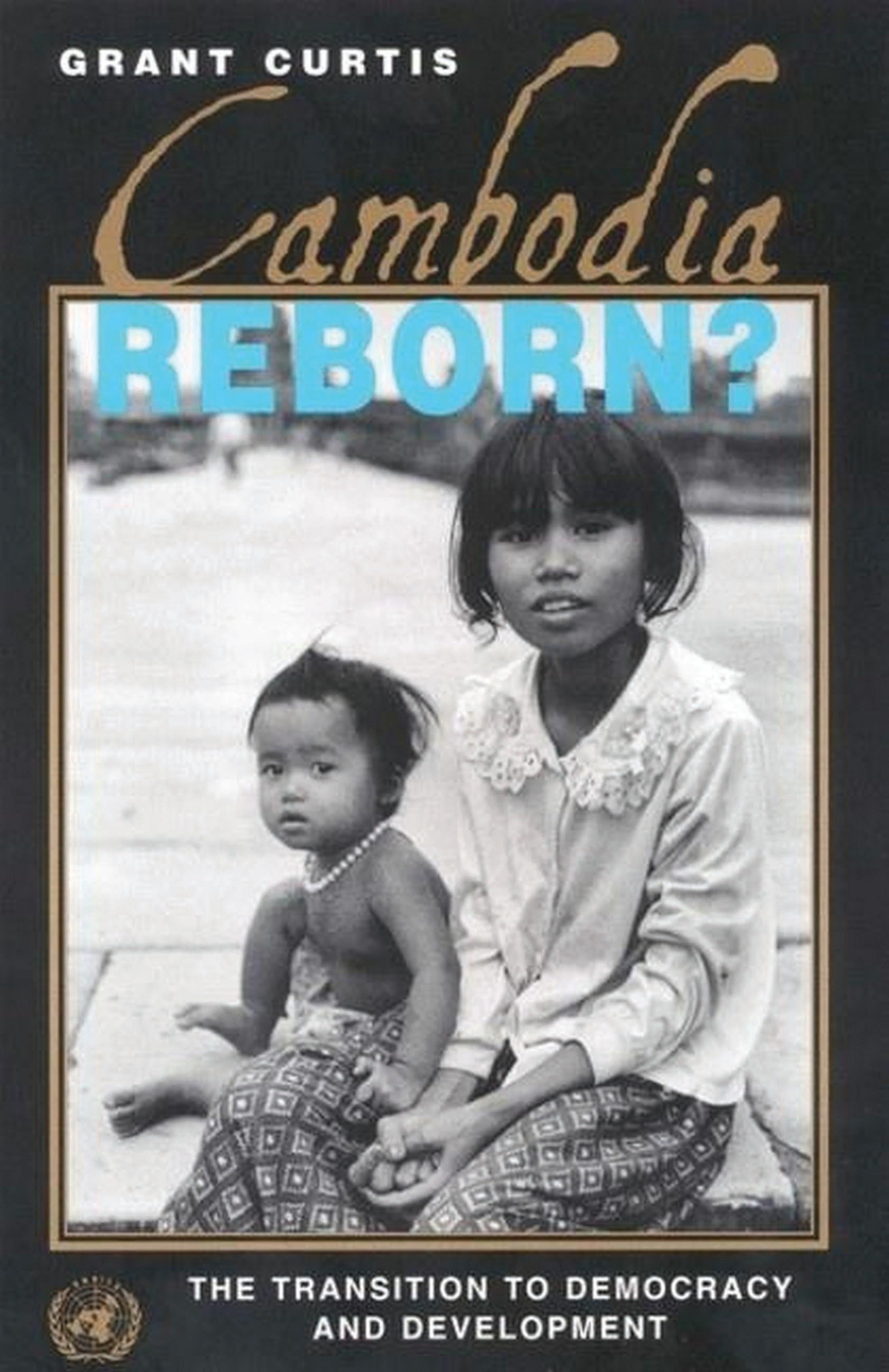
When United Nations sponsored elections were held in 1993, there were high hopes that Cambodia would finally be able to escape the nightmare of war, the killing fields, famine, and economic turmoil that its people had endured since 1970. Large amounts of international development assistance, a rapidly expanding NGO sector, and a pragmatic power-sharing arrangement between former adversaries, seemed to bode well for the future. Yet, as the country was once again preparing for elections in 1998, serious tensions and conflicts continued to undermine the transition process.
This book examines Cambodia's uneasy renaissance from years of conflict, isolation and authoritarian rule. It assesses, in particular, the efforts of the government, NGOs, and the international community to facilitate Cambodia's various transitions to peace, democracy, and a market economy, as well as the strengthening of civil society.
Copublished with the United Nations Research Institute for Social Development
This book examines Cambodia's uneasy renaissance from years of conflict, isolation and authoritarian rule. It assesses, in particular, the efforts of the government, NGOs, and the international community to facilitate Cambodia's various transitions to peace, democracy, and a market economy, as well as the strengthening of civil society.
Copublished with the United Nations Research Institute for Social Development
Paga facilmente con carta, Klarna, Apple Pay o Google Pay. Non sei soddisfatto? Hai sempre 14 giorni per il rimborso. Leggi di più nei nostri termini. Per qualsiasi domanda, scrivici a hello@memmo.org.
Memmo rende lo studio più facile, ovunque tu sia nel mondo. Qui trovi i tuoi libri di testo e strumenti di studio intelligenti, tutto in un unico posto: riassunti, quiz, podcast e flashcard. E poi c'è Ted, il tuo compagno di studio che risponde a ogni tua domanda. Oltre 50.000 studenti studiano già qui: è stato creato per aiutarti a imparare più velocemente e a stressarti meno.