
It's time for new policies based on changing U.S. interests
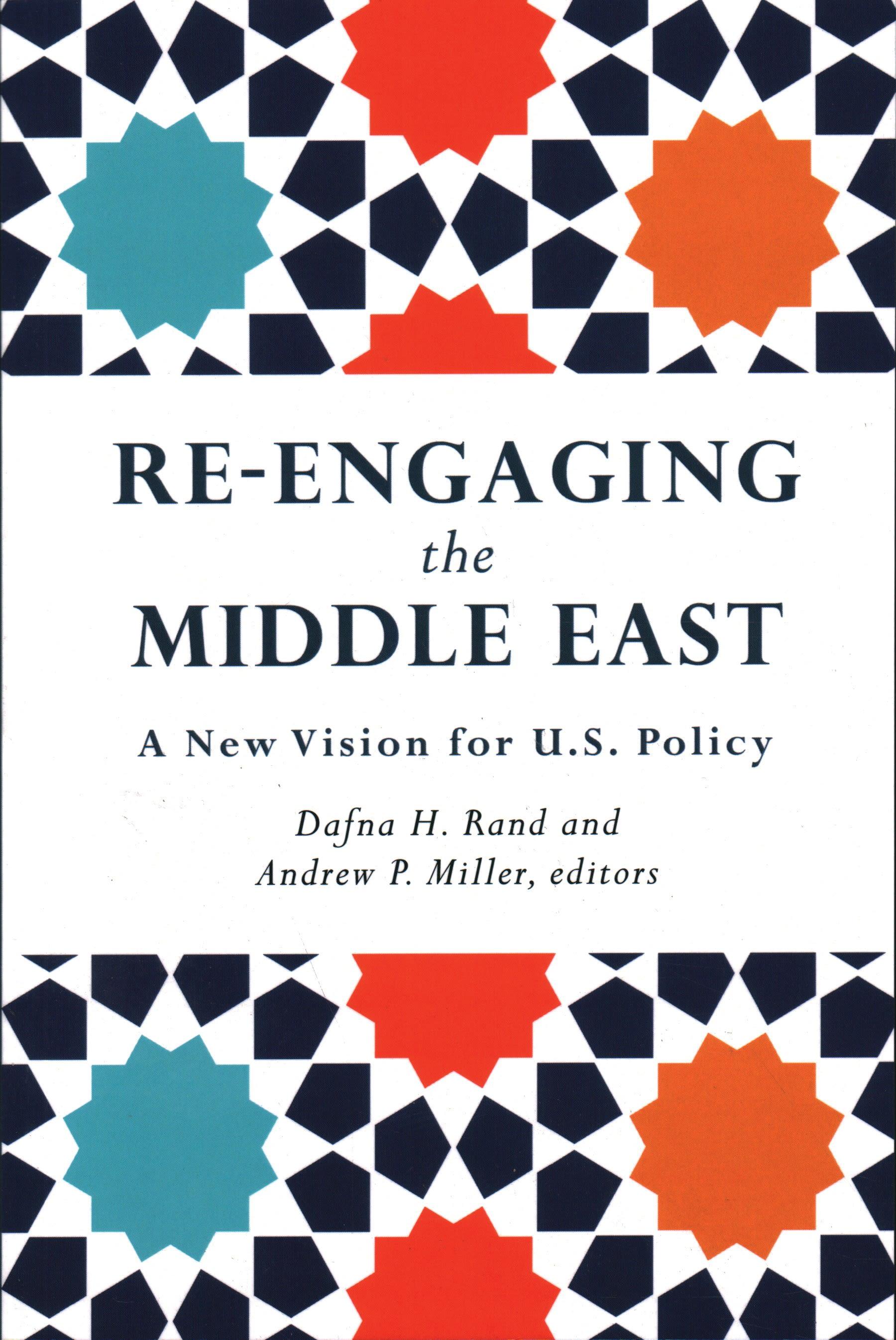
U.S. policy in the Middle East has had very few successes in recent years, so maybe it's time for a different approach. But is the new approach of the Trump administrationmilitary disengagement coupled with unquestioning support for key allies--Israel, Egypt, and Saudi Arabiathe way forward?
In this edited volume, noted experts on the region lay out a better long-term strategy for protecting U.S. interests in the Middle East. The authors articulate a vision that is both self-interested and carefully tailored to the unique dynamics of the increasingly divergent sub-regions in the Middle East, including North Africa, the Sunni Arab bloc of Egypt and Persian Gulf states, and the increasingly chaotic Levant.
The book argues that the most effective way to pursue and protect U.S. interests is unlikely to involve the same alliance-centric approach that has been the basis of Washington's policy since the 1990s. Instead, the United States should adopt a nimbler and less military-dominant strategy that relies on a diversified set of partners and a determination to establish priorities for American interests and the use of resources, both financial and military.
In essence, the book calls for a new post-Obama and post-Trump approach to the region that reflects the fact that U.S. interests are changing and likely will continue to change. The book offers a fresh perspective in advance of the 2020 presidential election.
U.S. policy in the Middle East has had very few successes in recent years, so maybe it's time for a different approach. But is the new approach of the Trump administrationmilitary disengagement coupled with unquestioning support for key allies--Israel, Egypt, and Saudi Arabiathe way forward?
In this edited volume, noted experts on the region lay out a better long-term strategy for protecting U.S. interests in the Middle East. The authors articulate a vision that is both self-interested and carefully tailored to the unique dynamics of the increasingly divergent sub-regions in the Middle East, including North Africa, the Sunni Arab bloc of Egypt and Persian Gulf states, and the increasingly chaotic Levant.
The book argues that the most effective way to pursue and protect U.S. interests is unlikely to involve the same alliance-centric approach that has been the basis of Washington's policy since the 1990s. Instead, the United States should adopt a nimbler and less military-dominant strategy that relies on a diversified set of partners and a determination to establish priorities for American interests and the use of resources, both financial and military.
In essence, the book calls for a new post-Obama and post-Trump approach to the region that reflects the fact that U.S. interests are changing and likely will continue to change. The book offers a fresh perspective in advance of the 2020 presidential election.
Pagine: 330
Categoria: Statsvetenskap & Politik
e-ISBN: 9780815737629
Peso di spedizione: 1.2 kg
Spedito in: 1-2 giorni
Paga facilmente con carta, Klarna, Apple Pay o Google Pay. Non sei soddisfatto? Hai sempre 14 giorni per il rimborso. Leggi di più nei nostri termini. Per qualsiasi domanda, scrivici a hello@memmo.org.
Memmo rende lo studio più facile, ovunque tu sia nel mondo. Qui trovi i tuoi libri di testo e strumenti di studio intelligenti, tutto in un unico posto: riassunti, quiz, podcast e flashcard. E poi c'è Ted, il tuo compagno di studio che risponde a ogni tua domanda. Oltre 50.000 studenti studiano già qui: è stato creato per aiutarti a imparare più velocemente e a stressarti meno.