
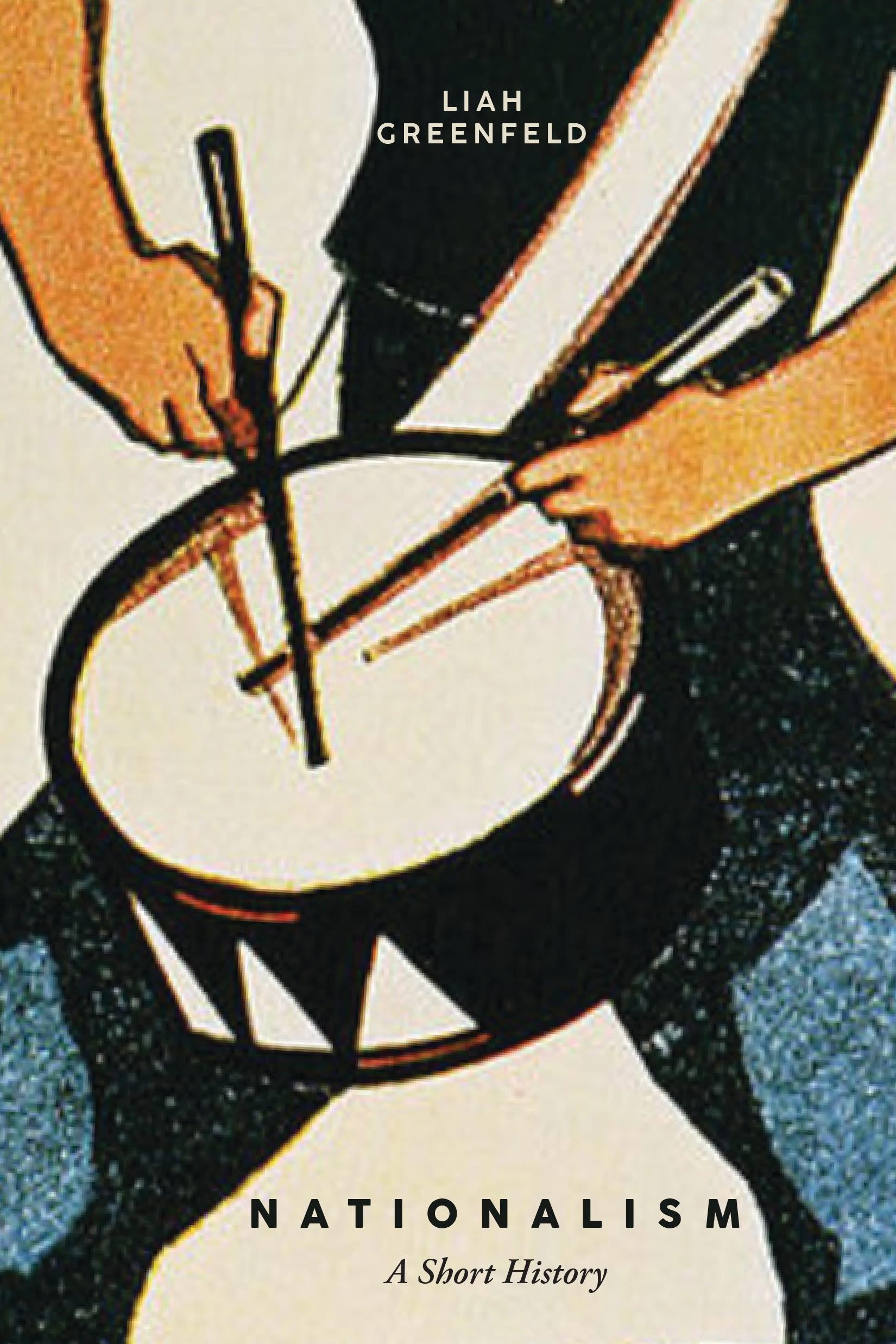
We need a nation, declared a certain Phillippe Grouvelle in the revolutionary year of 1789, and the Nation will be born.from Nationalism
Nationalism, often the scourge, always the basis of modern world politics, is spreading. In a way, all nations are willed into being. But a simple declaration, such as Grouvelle's, is not enough. As historian Liah Greenfeld shows in her new book, a sense of nationnationalismis the product of the complex distillation of ideas and beliefs, and the struggles over them.
Greenfeld takes the reader on an intellectual journey through the origins of the concept “nation” and how national consciousness has changed over the centuries. From its emergence in sixteenth century England, nationalism has been behind nearly every significant development in world affairs over succeeding centuries, including the American and French revolutions of the late eighteenth centuries and the authoritarian communism and fascism of the twentieth century. Now it has arrived as a mass phenomenon in China as well as gaining new life in the United States and much of Europe in the guise of populism.
Written by an authority on the subject, Nationalism stresses the contradictory ways of how nationalism has been institutionalized in various places. On the one hand, nationalism has made possible the realities of liberal democracy, human rights, and individual self-determination. On the other hand, nationalism also has brought about authoritarian and racist regimes that negate the individual as an autonomous agent. That tension is all too apparent today.
Nationalism, often the scourge, always the basis of modern world politics, is spreading. In a way, all nations are willed into being. But a simple declaration, such as Grouvelle's, is not enough. As historian Liah Greenfeld shows in her new book, a sense of nationnationalismis the product of the complex distillation of ideas and beliefs, and the struggles over them.
Greenfeld takes the reader on an intellectual journey through the origins of the concept “nation” and how national consciousness has changed over the centuries. From its emergence in sixteenth century England, nationalism has been behind nearly every significant development in world affairs over succeeding centuries, including the American and French revolutions of the late eighteenth centuries and the authoritarian communism and fascism of the twentieth century. Now it has arrived as a mass phenomenon in China as well as gaining new life in the United States and much of Europe in the guise of populism.
Written by an authority on the subject, Nationalism stresses the contradictory ways of how nationalism has been institutionalized in various places. On the one hand, nationalism has made possible the realities of liberal democracy, human rights, and individual self-determination. On the other hand, nationalism also has brought about authoritarian and racist regimes that negate the individual as an autonomous agent. That tension is all too apparent today.
Pagine: 158
Categoria: Statsvetenskap & Politik
e-ISBN: 9780815737025
Peso di spedizione: 1.2 kg
Spedito in: 1-2 giorni
Paga facilmente con carta, Klarna, Apple Pay o Google Pay. Non sei soddisfatto? Hai sempre 14 giorni per il rimborso. Leggi di più nei nostri termini. Per qualsiasi domanda, scrivici a hello@memmo.org.
Memmo rende lo studio più facile, ovunque tu sia nel mondo. Qui trovi i tuoi libri di testo e strumenti di studio intelligenti, tutto in un unico posto: riassunti, quiz, podcast e flashcard. E poi c'è Ted, il tuo compagno di studio che risponde a ogni tua domanda. Oltre 50.000 studenti studiano già qui: è stato creato per aiutarti a imparare più velocemente e a stressarti meno.