
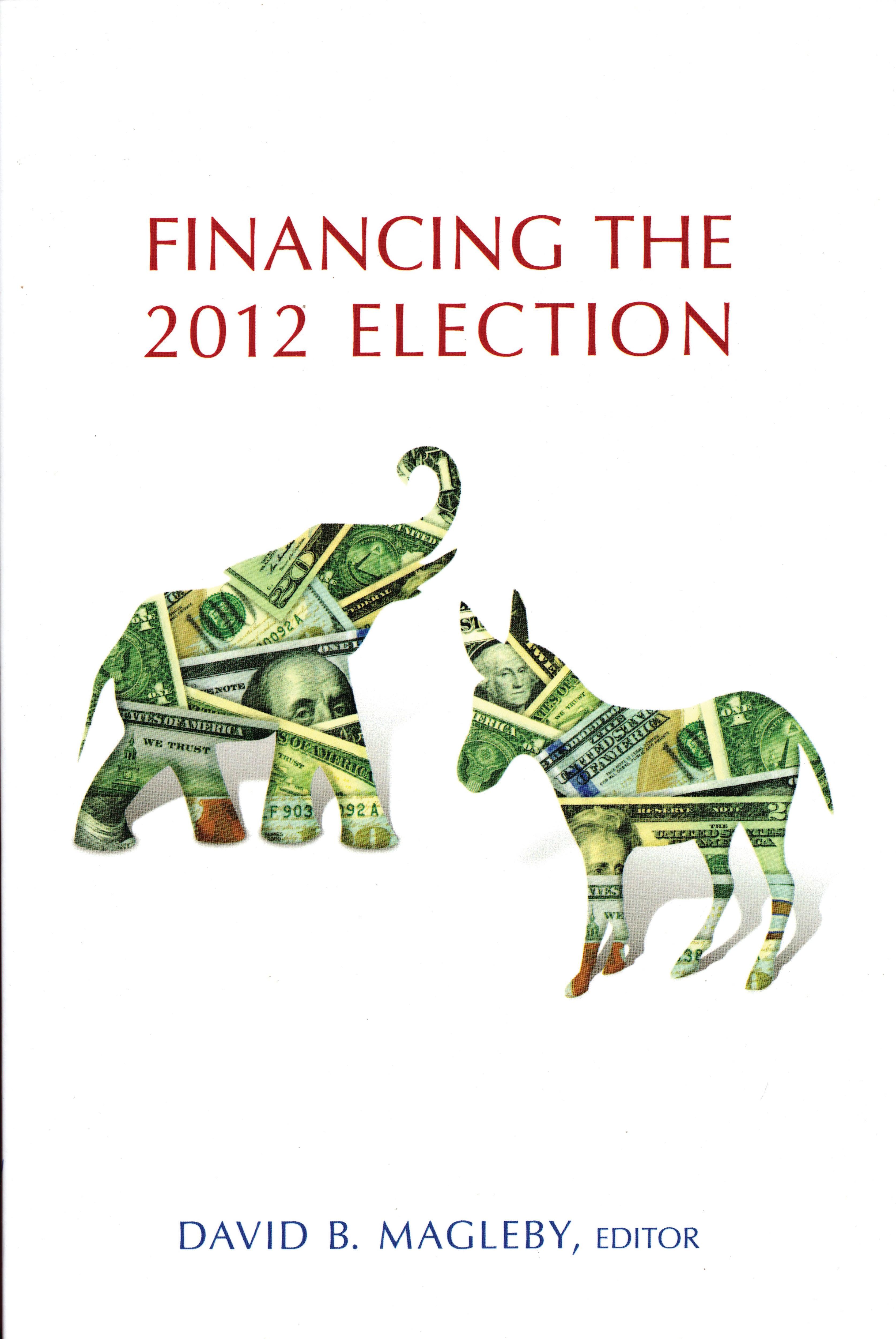
The amount of money flowing through U.S. politics continues to astound. ""While not all expenditures are reported,"" writes David Magleby, ""our best estimate is that at least $8 billion was spent in the 2012 federal elections."" In this essential volume, the latest in a quadrennial series dating back to 1960, Magleby and his colleagues reveal where all this the money came from, where it went, what were the resultsand why it matters.
Anthony Corrado examines the most important changes and legal challenges to the law and regulation of campaign finance leading up to the 2012 election. John Green, Michael Koehler, and Ian Schwarber discuss the dynamics and funding of the Republicans' presidential nomination contest as well as the Obama campaign's activityincluding the role his Priorities USA ""Super PAC"" played in negatively defining Romney.
Candice Nelson examines in considerable detail how each side raised and spent its funds and the implications of their different approaches. Paul Herrnson, Kelly Patterson, and Stephanie Perry Curtis explore the financing of congressional elections. Diana Dwyre and Robin Kolodny examine the ways political parties raised and spent money through their national committees, including congressional campaign committees.
Jay Goodliffe and Magleby examine how interest groups raised and spent moneyclosely examining the effect of the new Super PACs. How did these organizations raise more than $828 million, and how did they allot the $609 million they reported spending, and to what effect? Thomas Mann concludes with a summary of lessons recently learned regarding the financing of federal elections. What changes should be made to the system, and what institutional steps would they require?
Anthony Corrado examines the most important changes and legal challenges to the law and regulation of campaign finance leading up to the 2012 election. John Green, Michael Koehler, and Ian Schwarber discuss the dynamics and funding of the Republicans' presidential nomination contest as well as the Obama campaign's activityincluding the role his Priorities USA ""Super PAC"" played in negatively defining Romney.
Candice Nelson examines in considerable detail how each side raised and spent its funds and the implications of their different approaches. Paul Herrnson, Kelly Patterson, and Stephanie Perry Curtis explore the financing of congressional elections. Diana Dwyre and Robin Kolodny examine the ways political parties raised and spent money through their national committees, including congressional campaign committees.
Jay Goodliffe and Magleby examine how interest groups raised and spent moneyclosely examining the effect of the new Super PACs. How did these organizations raise more than $828 million, and how did they allot the $609 million they reported spending, and to what effect? Thomas Mann concludes with a summary of lessons recently learned regarding the financing of federal elections. What changes should be made to the system, and what institutional steps would they require?
Paga facilmente con carta, Klarna, Apple Pay o Google Pay. Non sei soddisfatto? Hai sempre 14 giorni per il rimborso. Leggi di più nei nostri termini. Per qualsiasi domanda, scrivici a hello@memmo.org.
Memmo rende lo studio più facile, ovunque tu sia nel mondo. Qui trovi i tuoi libri di testo e strumenti di studio intelligenti, tutto in un unico posto: riassunti, quiz, podcast e flashcard. E poi c'è Ted, il tuo compagno di studio che risponde a ogni tua domanda. Oltre 50.000 studenti studiano già qui: è stato creato per aiutarti a imparare più velocemente e a stressarti meno.