
Since 2008, energy and food marketsthose most fundamental to human existencehave remained in turmoil. Resource scarcity has had a much bigger global impact in recent years than has been predicted, with ongoing volatility a sign that the world is only part-way through navigating a treacherous transition in the way it uses resources. Scarcity, and perceptions of scarcity, increase political risks, while geopolitical turmoil exacerbates shortages and complicates the search for solutions.
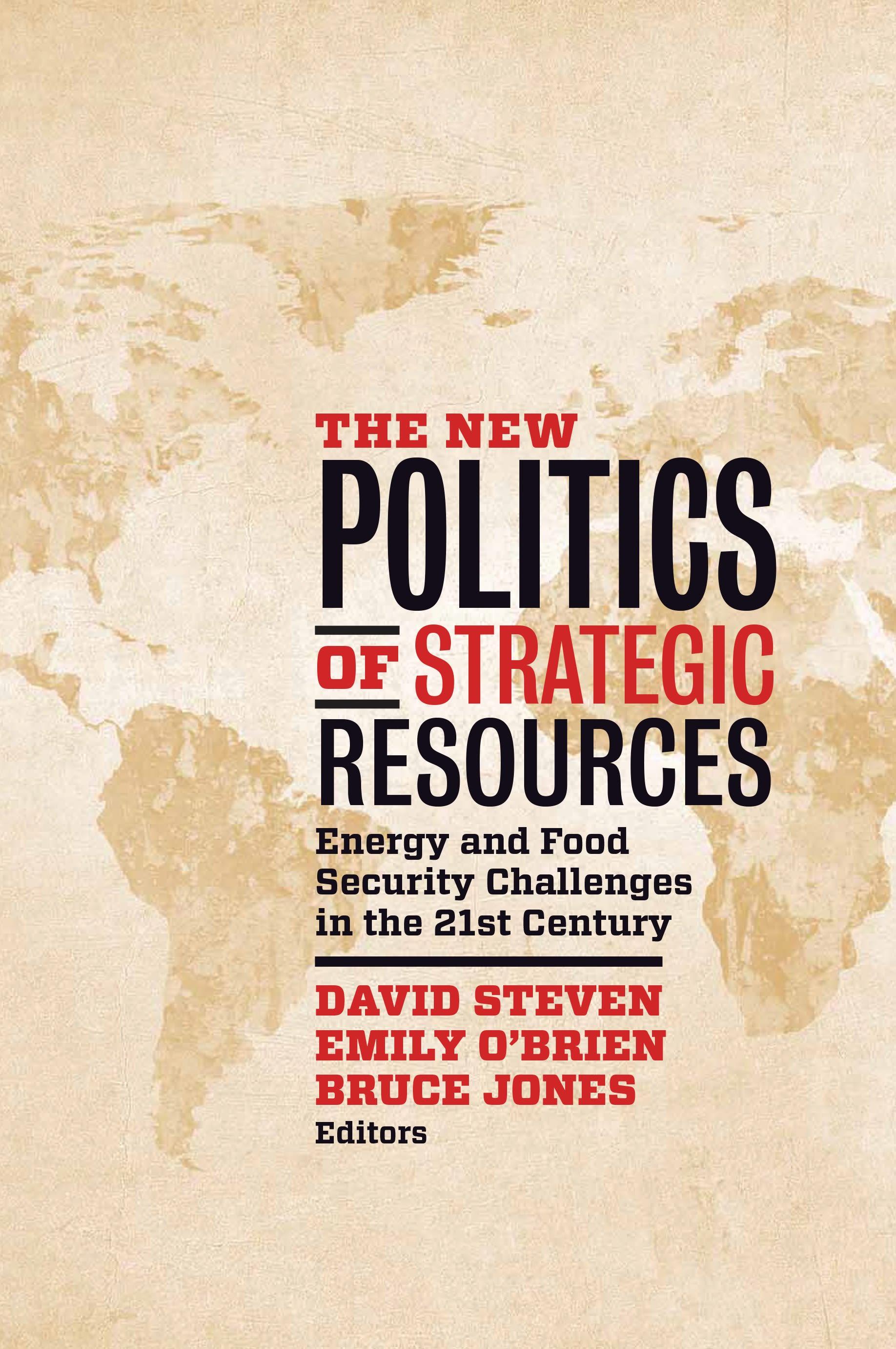
The New Politics of Strategic Resources examines the political dimensions of strategic resource challenges at the domestic and international levels. For better or worse, energy and food markets are shaped by perceptions of national interest and do not behave as traditional market goods. So while markets are an essential part of any response to tighter resource supplies, governments also will play a key role. David Steven, Emily O'Brien, Bruce Jones, and their colleagues discuss what those roles are and what they should be.
The architecture for coordinating multilateral responses to these dynamics has fallen short, raising questions about the effective international management of these issues. Politics impede here too, as the major powers must negotiate political and security trade-offs to cooperate on the design of more robust international regimes and mechanisms for resource security and the provision of global public goods.
This timely volume includes chapters on major powers (United States, India, China) and key suppliers (Russia, Saudi Arabia). The contributors also address thematic topics, such as the interaction between oil and state fragility; the changing political dynamics of climate change; and the politics of resource subsidies.
The New Politics of Strategic Resources examines the political dimensions of strategic resource challenges at the domestic and international levels. For better or worse, energy and food markets are shaped by perceptions of national interest and do not behave as traditional market goods. So while markets are an essential part of any response to tighter resource supplies, governments also will play a key role. David Steven, Emily O'Brien, Bruce Jones, and their colleagues discuss what those roles are and what they should be.
The architecture for coordinating multilateral responses to these dynamics has fallen short, raising questions about the effective international management of these issues. Politics impede here too, as the major powers must negotiate political and security trade-offs to cooperate on the design of more robust international regimes and mechanisms for resource security and the provision of global public goods.
This timely volume includes chapters on major powers (United States, India, China) and key suppliers (Russia, Saudi Arabia). The contributors also address thematic topics, such as the interaction between oil and state fragility; the changing political dynamics of climate change; and the politics of resource subsidies.
Pagine: 365
Categoria: Statsvetenskap & Politik
e-ISBN: 9780815725343
Peso di spedizione: 1.2 kg
Spedito in: 1-2 giorni
Paga facilmente con carta, Klarna, Apple Pay o Google Pay. Non sei soddisfatto? Hai sempre 14 giorni per il rimborso. Leggi di più nei nostri termini. Per qualsiasi domanda, scrivici a hello@memmo.org.
Memmo rende lo studio più facile, ovunque tu sia nel mondo. Qui trovi i tuoi libri di testo e strumenti di studio intelligenti, tutto in un unico posto: riassunti, quiz, podcast e flashcard. E poi c'è Ted, il tuo compagno di studio che risponde a ogni tua domanda. Oltre 50.000 studenti studiano già qui: è stato creato per aiutarti a imparare più velocemente e a stressarti meno.