
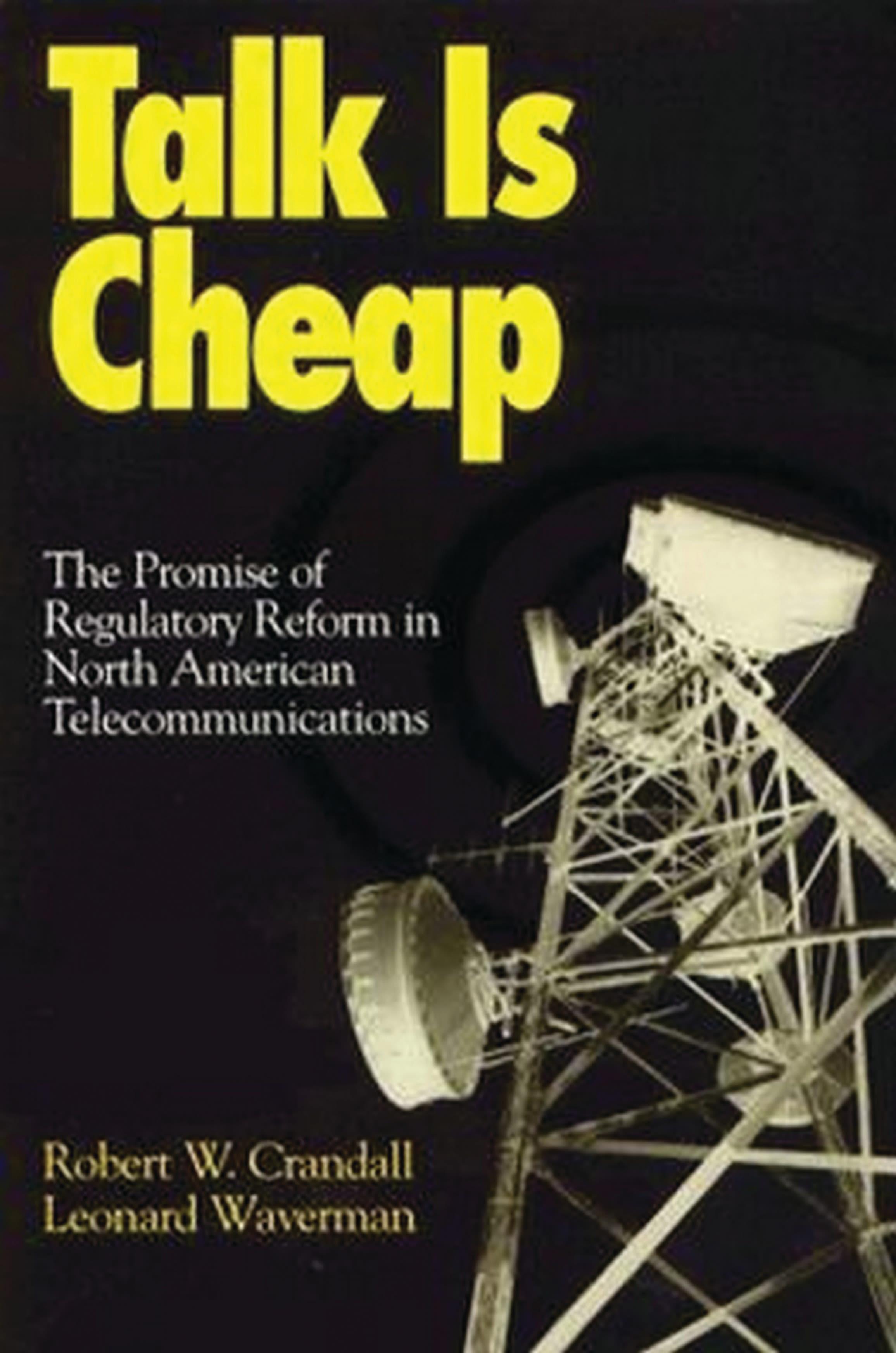
The rapid pace of technological change is placing the world's telephone companies in a very difficult position. Fiber optics cables, wireless telephones, digital signal compression, and sophisticated new switching equipment are lowering the cost of providing service and opening the gates to new competition. At the same time, these new technologies are providing the telephone companies with a wide array of new market opportunities. Unfortunately, their status as regulated carriers makes it difficult to exploit these new opportunities and to fend off competitive assaults on their traditional telephone business. As long as they are regulated, they can be accused of using their monopoly services to cross-subsidize new competitive ventures. But partial deregulation and open entry would be a catastrophe for them unless they were allowed to revise their rate structure.
There is a widespread misconception that the U.S. telecommunications industry has been ""deregulated"" and that Canadian authorities are following the U.S. lead. In fact, most services remain regulated, even though some markets, such as long-distance services, equipment sales and rentals, and local services, have been opened up. This book reviews the recent changes in the structure of U.S. and Canadian telecommunications industries and the changes in regulatory policy on both sides of the border. The authors analyze the effects of these changes in regulation on telephone rates in both the local and long-distance markets with particular emphasis on the impacts of regulatory reforms and competition on long-distance rates. They use their results to suggest how regulation should be structured to allow competition to replace monopoly on the road to the information superhighway.
The authors contend that for decades misguided regulation of the telephone sector in both Canada and the U.S. denied consumers the benefits of competition, distorted local and long-distance telephone rates, and blocked entry of new carriers and new technologies. They warn that the continued regulation of the telecommunications industry could be responsible for slowing the transition from ""plain old telephone service"" to a telecommunications marketplace that offers a wide variety of services. They conclude by outlining the choices open to policymakers and calling for liberalized competition all along the information superhighway.
There is a widespread misconception that the U.S. telecommunications industry has been ""deregulated"" and that Canadian authorities are following the U.S. lead. In fact, most services remain regulated, even though some markets, such as long-distance services, equipment sales and rentals, and local services, have been opened up. This book reviews the recent changes in the structure of U.S. and Canadian telecommunications industries and the changes in regulatory policy on both sides of the border. The authors analyze the effects of these changes in regulation on telephone rates in both the local and long-distance markets with particular emphasis on the impacts of regulatory reforms and competition on long-distance rates. They use their results to suggest how regulation should be structured to allow competition to replace monopoly on the road to the information superhighway.
The authors contend that for decades misguided regulation of the telephone sector in both Canada and the U.S. denied consumers the benefits of competition, distorted local and long-distance telephone rates, and blocked entry of new carriers and new technologies. They warn that the continued regulation of the telecommunications industry could be responsible for slowing the transition from ""plain old telephone service"" to a telecommunications marketplace that offers a wide variety of services. They conclude by outlining the choices open to policymakers and calling for liberalized competition all along the information superhighway.
Pagine: 294
Categoria: Ekonomi & Utveckling
e-ISBN: 9780815719700
Peso di spedizione: 1.2 kg
Spedito in: 1-2 giorni
Paga facilmente con carta, Klarna, Apple Pay o Google Pay. Non sei soddisfatto? Hai sempre 14 giorni per il rimborso. Leggi di più nei nostri termini. Per qualsiasi domanda, scrivici a hello@memmo.org.
Memmo rende lo studio più facile, ovunque tu sia nel mondo. Qui trovi i tuoi libri di testo e strumenti di studio intelligenti, tutto in un unico posto: riassunti, quiz, podcast e flashcard. E poi c'è Ted, il tuo compagno di studio che risponde a ogni tua domanda. Oltre 50.000 studenti studiano già qui: è stato creato per aiutarti a imparare più velocemente e a stressarti meno.