
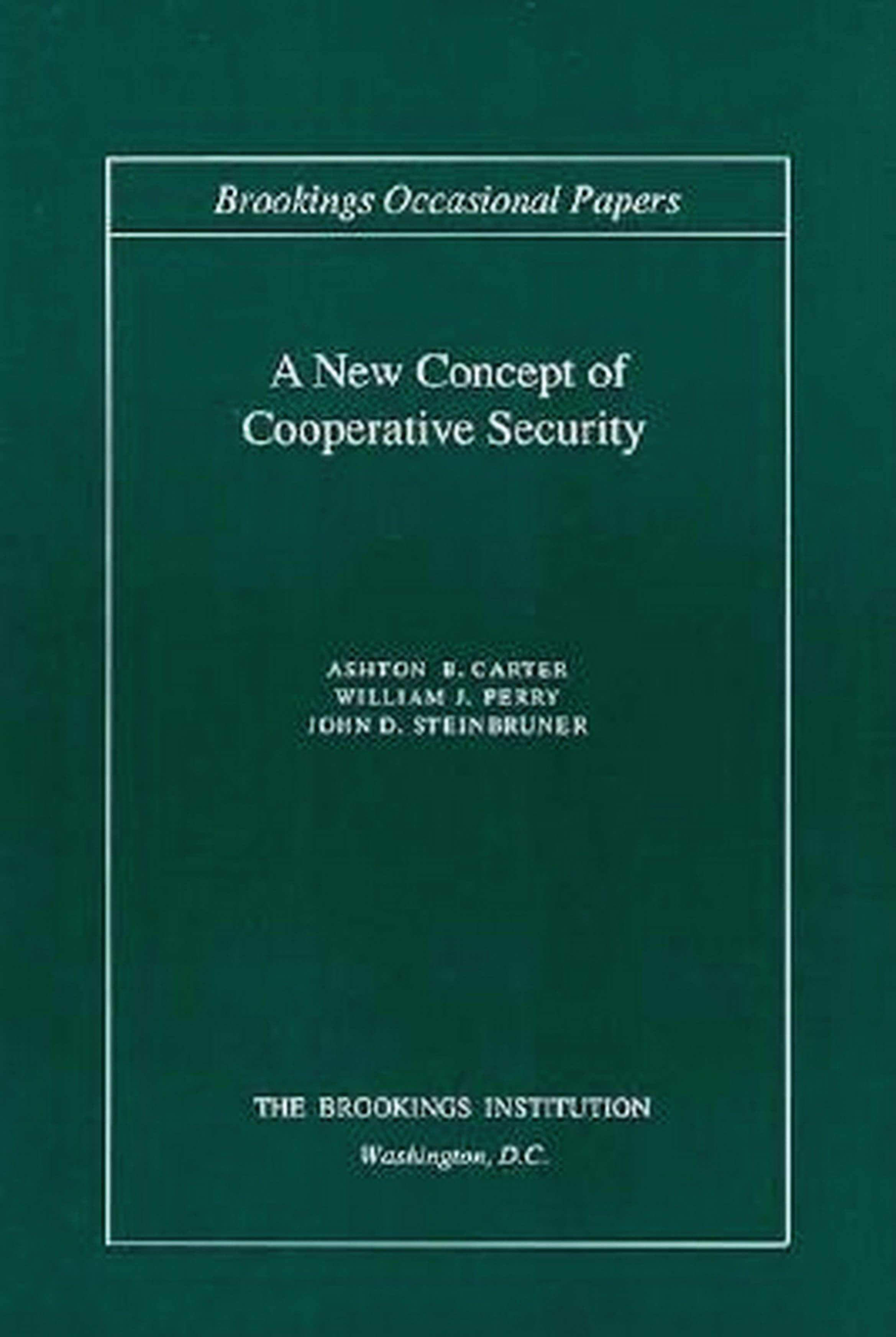
At the moment, the revision of security policy and the formation of a new consensus to support it are still at an early stage of development. The idea of comprehensive security cooperation among the major military establishments to form an inclusive international security arrangement has been only barely acknowledged and is only partially developed. The basic principle of cooperation has been proclaimed in general terms in the Paris Charter issued in November of 1990. Important implementing provisions have been embodied in the Strategic Arms Reductions Talks (START), Conventional Forces in Europe (CFE), and Intermediate-Range Nuclear Forces (INF) treaties. Except for the regulation of U.S. and Commonwealth of Independent States (CIS) strategic forces, however, these arrangements apply only to the European theater and even there have not been systematically developed. The formation of a new security order requires that cooperative theaters of military engagement be systematically developed. Clearly that exercise will stretch the minds of all those whose thinking about security has been premised on confrontational methods.
Nonetheless, such a stretching is unavoidable. The new security problems are driven by powerful forces, reshaping the entire international context. They impose starkly different requirements. They will deflect even the impressive momentum of U.S. military traditions. The eventual outcome is uncertain. It turns upon political debates yet to be held, consensus judgements yet to form, and events and their implications yet to unfold. Fundamental reconceptualization of security policy is a necessary step in the right direction, and it is important to get on with it. Getting on with it means defining the new concept of cooperative security, identifying the trends that motivate it, outlining its implications for practical policy action, and acknowledging its constraints. These tasks are the purpose of this essay.
Nonetheless, such a stretching is unavoidable. The new security problems are driven by powerful forces, reshaping the entire international context. They impose starkly different requirements. They will deflect even the impressive momentum of U.S. military traditions. The eventual outcome is uncertain. It turns upon political debates yet to be held, consensus judgements yet to form, and events and their implications yet to unfold. Fundamental reconceptualization of security policy is a necessary step in the right direction, and it is important to get on with it. Getting on with it means defining the new concept of cooperative security, identifying the trends that motivate it, outlining its implications for practical policy action, and acknowledging its constraints. These tasks are the purpose of this essay.
Pagine: 65
Categoria: Statsvetenskap & Politik
e-ISBN: 9780815719069
Peso di spedizione: 1.2 kg
Spedito in: 1-2 giorni
Paga facilmente con carta, Klarna, Apple Pay o Google Pay. Non sei soddisfatto? Hai sempre 14 giorni per il rimborso. Leggi di più nei nostri termini. Per qualsiasi domanda, scrivici a hello@memmo.org.
Memmo rende lo studio più facile, ovunque tu sia nel mondo. Qui trovi i tuoi libri di testo e strumenti di studio intelligenti, tutto in un unico posto: riassunti, quiz, podcast e flashcard. E poi c'è Ted, il tuo compagno di studio che risponde a ogni tua domanda. Oltre 50.000 studenti studiano già qui: è stato creato per aiutarti a imparare più velocemente e a stressarti meno.