
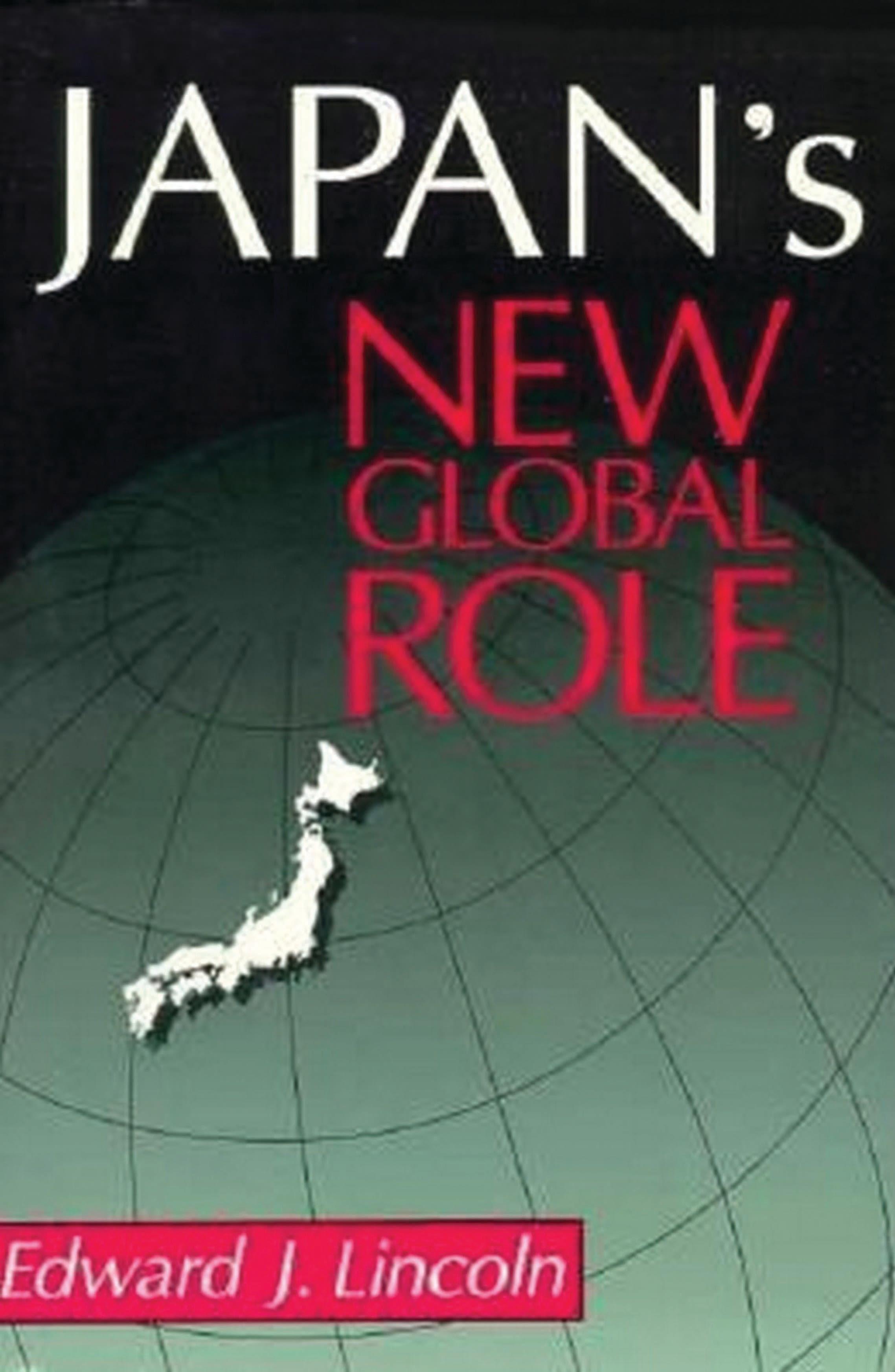
Since 1980, Japan's international economic position has undergone a historic transformation that is now having significant consequences for Japan, the United States, Europe, and other countries around the world. In this book, Edward J. Lincoln analyzes the major economic changes that occurred in Japan during the 1980s, including macroeconomic shifts, financial deregulation, yen appreciation, rising labor costs brought on by long-term demographic changes, and technological success.
Since 1945, the Japanese have shied away from active involvement in most of the complications and problems of the international community. Now, however, a surge in outward foreign investment, particularly direct investment, has involved the nation, more intimately with the outside world than in the past. As a result, Japan has had to cope with some difficult new questions: how to participate meaningfully in the work of the major multilateral economic institutions and the United Nations, how to expand or change the country's foreign aid program, how to take part in the intentional debate on environmental policy, and how deeply to become involved in solving the world's political problems.
Lincoln asserts that overcoming the string of insularity and passivism for the years since 1945 will not be easy. He proposes several specific policies that would lead Japan toward a more productive international engagement and suggests that these changes will also serve the objectives of American foreign policy.
The 1993 elections and the new coalition government in Japan offer a greater possibility of domestic change; the mood of the nation has shifted away from continued acceptance of the policies of the past. There is now a greater opportunity for the American government to engage in a productive dialogue that can encourage Japan toward a more open and active global role.
Since 1945, the Japanese have shied away from active involvement in most of the complications and problems of the international community. Now, however, a surge in outward foreign investment, particularly direct investment, has involved the nation, more intimately with the outside world than in the past. As a result, Japan has had to cope with some difficult new questions: how to participate meaningfully in the work of the major multilateral economic institutions and the United Nations, how to expand or change the country's foreign aid program, how to take part in the intentional debate on environmental policy, and how deeply to become involved in solving the world's political problems.
Lincoln asserts that overcoming the string of insularity and passivism for the years since 1945 will not be easy. He proposes several specific policies that would lead Japan toward a more productive international engagement and suggests that these changes will also serve the objectives of American foreign policy.
The 1993 elections and the new coalition government in Japan offer a greater possibility of domestic change; the mood of the nation has shifted away from continued acceptance of the policies of the past. There is now a greater opportunity for the American government to engage in a productive dialogue that can encourage Japan toward a more open and active global role.
Pagine: 332
Categoria: Statsvetenskap & Politik
e-ISBN: 9780815716396
Peso di spedizione: 1.2 kg
Spedito in: 1-2 giorni
Paga facilmente con carta, Klarna, Apple Pay o Google Pay. Non sei soddisfatto? Hai sempre 14 giorni per il rimborso. Leggi di più nei nostri termini. Per qualsiasi domanda, scrivici a hello@memmo.org.
Memmo rende lo studio più facile, ovunque tu sia nel mondo. Qui trovi i tuoi libri di testo e strumenti di studio intelligenti, tutto in un unico posto: riassunti, quiz, podcast e flashcard. E poi c'è Ted, il tuo compagno di studio che risponde a ogni tua domanda. Oltre 50.000 studenti studiano già qui: è stato creato per aiutarti a imparare più velocemente e a stressarti meno.