
A Brookings Institution Press and Russell Sage Foundation publication
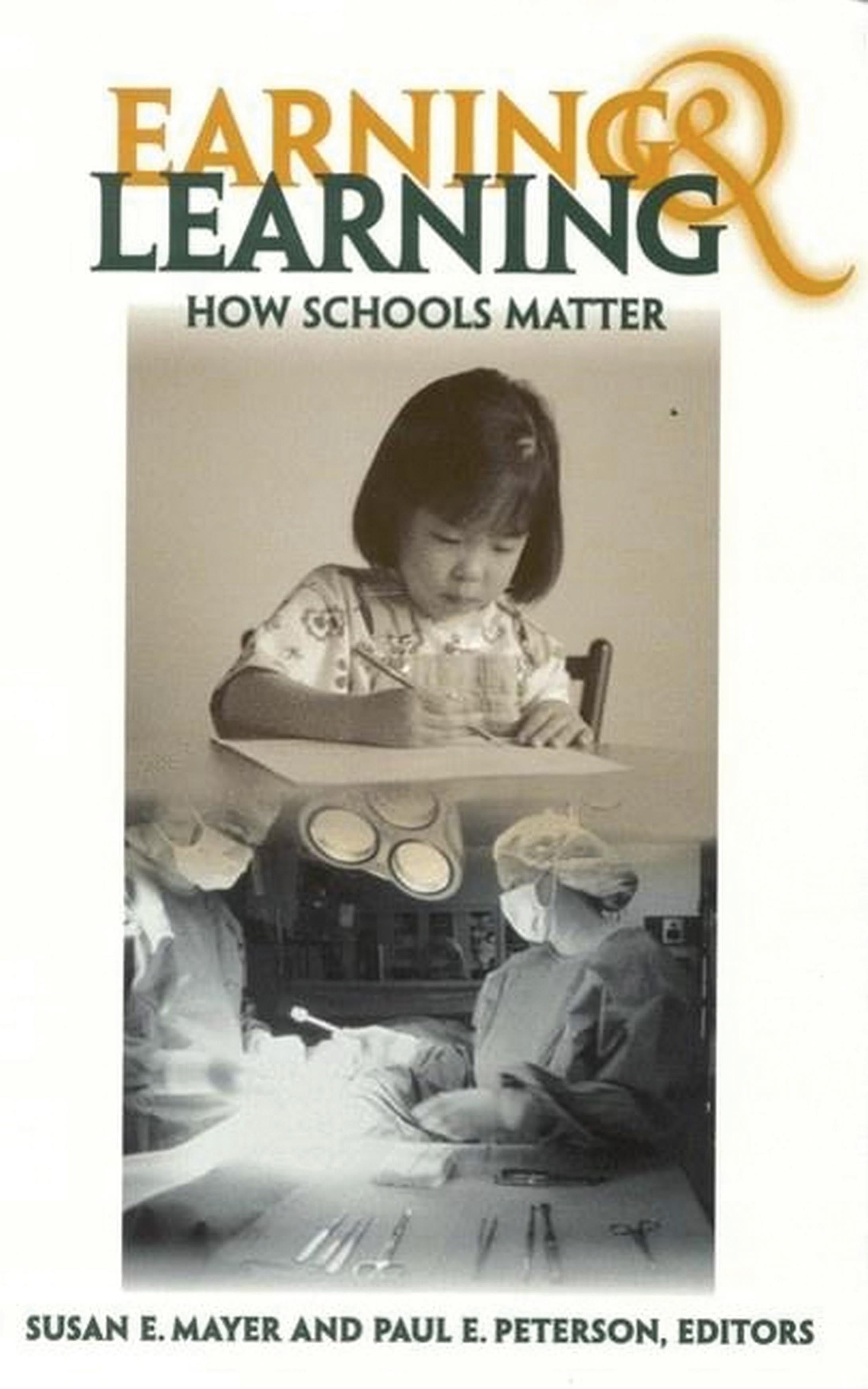
Education is one of the largest sectors of the U.S. economy--yet scholars, educators, policymakers, and parents do not agree about what the money spent on education really buys. In particular, they do not agree on how much education improves children's ability to learn or whether the things children learn in school truly improve their chances for success as adults. If schooling increases how much students know and what they know does pay off later, then it is important to ask what schools can do to increase students' learning and earning.
The essays in this book report estimates of the effects of learning on earnings and other life outcomes. They also examine whether particular aspects of schooling--such as the age at which children begin school, classroom size, and curriculum--or structural reform--such as national or statewide examinations or school choice--affect learning. Taken together, their findings suggest that liberals are correct in saying that more investment is needed in early education, that class sizes should be further reduced, and that challenging national or state standards should be established. But they also provide support for conservatives who ask for a more demanding curriculum and greater school choice.
Contributors include John Bishop, Eric Hanushek, James Heckman, Christopher Jencks, Caroline Minter Hoxby, Fred Mosteller, and Christopher Winship.
Paga facilmente con carta, Klarna, Apple Pay o Google Pay. Non sei soddisfatto? Hai sempre 14 giorni per il rimborso. Leggi di più nei nostri termini. Per qualsiasi domanda, scrivici a hello@memmo.org.
Memmo rende lo studio più facile, ovunque tu sia nel mondo. Qui trovi i tuoi libri di testo e strumenti di studio intelligenti, tutto in un unico posto: riassunti, quiz, podcast e flashcard. E poi c'è Ted, il tuo compagno di studio che risponde a ogni tua domanda. Oltre 50.000 studenti studiano già qui: è stato creato per aiutarti a imparare più velocemente e a stressarti meno.