
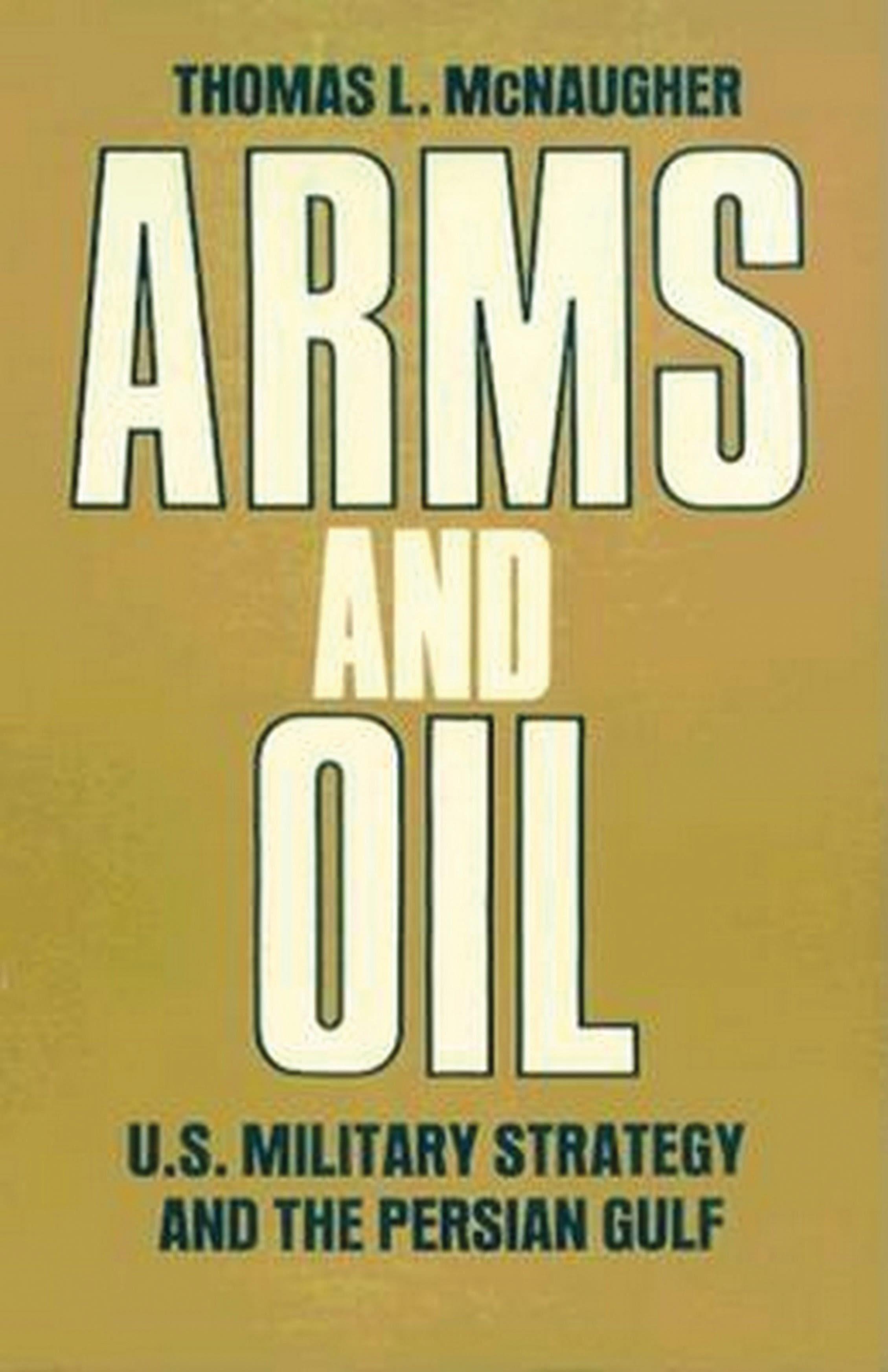
In 1979, after a decade of enormous increases in the price of oil, U.S. influence in the oil-rich Persian Gulf region declined sharply. Early in the year the Iranian revolution replaced the shah, the principal pro-American leader in the region, with rulers hostile to the United States and to its remaining friends around the Gulf. In December Soviet troops moved into Afghanistan, bringing the Soviets closer to the Gulf and the Indian Ocean. In the United States these events spurred the announcement of the Carter Doctrine and the creation of a new military command to handle Gulf crises. Yet the United States established no new fighting forces, and U.S. friends around the Gulf proved less willing than the shah of Iran to host a U.S. military presence. Thus debate has continued about whether and how the United States can secure important interests in the Gulf region.
In this book Thomas L. McNaugher offers a military strategy that integrates U.S. forces into the security framework that already exists in the region. He suggests that the United States should encourage Jordan, Pakistan, Great Britain, and others to continue their historical involvement in Gulf security, especially in such areas as internal security where U.S. forces are no better equipped than theirs and where U.S. participation may undermine the legitimacy of local rulers. In turn, the United States should focus on protecting the oil-rich states of the Arabian peninsula from external attack and on deterring further Soviet encroachment in the region. These missions demand an increase in the agility, rather than the size, of U.S. forces. But the more important requirement, McNaugher argues, is for skillfully blending U.S. military strategy into a diplomacy that exploits, rather than needlessly upsets, regional security mechanisms.
In this book Thomas L. McNaugher offers a military strategy that integrates U.S. forces into the security framework that already exists in the region. He suggests that the United States should encourage Jordan, Pakistan, Great Britain, and others to continue their historical involvement in Gulf security, especially in such areas as internal security where U.S. forces are no better equipped than theirs and where U.S. participation may undermine the legitimacy of local rulers. In turn, the United States should focus on protecting the oil-rich states of the Arabian peninsula from external attack and on deterring further Soviet encroachment in the region. These missions demand an increase in the agility, rather than the size, of U.S. forces. But the more important requirement, McNaugher argues, is for skillfully blending U.S. military strategy into a diplomacy that exploits, rather than needlessly upsets, regional security mechanisms.
Pagine: 210
Categoria: Statsvetenskap & Politik
e-ISBN: 9780815705758
Peso di spedizione: 1.2 kg
Spedito in: 1-2 giorni
Paga facilmente con carta, Klarna, Apple Pay o Google Pay. Non sei soddisfatto? Hai sempre 14 giorni per il rimborso. Leggi di più nei nostri termini. Per qualsiasi domanda, scrivici a hello@memmo.org.
Memmo rende lo studio più facile, ovunque tu sia nel mondo. Qui trovi i tuoi libri di testo e strumenti di studio intelligenti, tutto in un unico posto: riassunti, quiz, podcast e flashcard. E poi c'è Ted, il tuo compagno di studio che risponde a ogni tua domanda. Oltre 50.000 studenti studiano già qui: è stato creato per aiutarti a imparare più velocemente e a stressarti meno.