
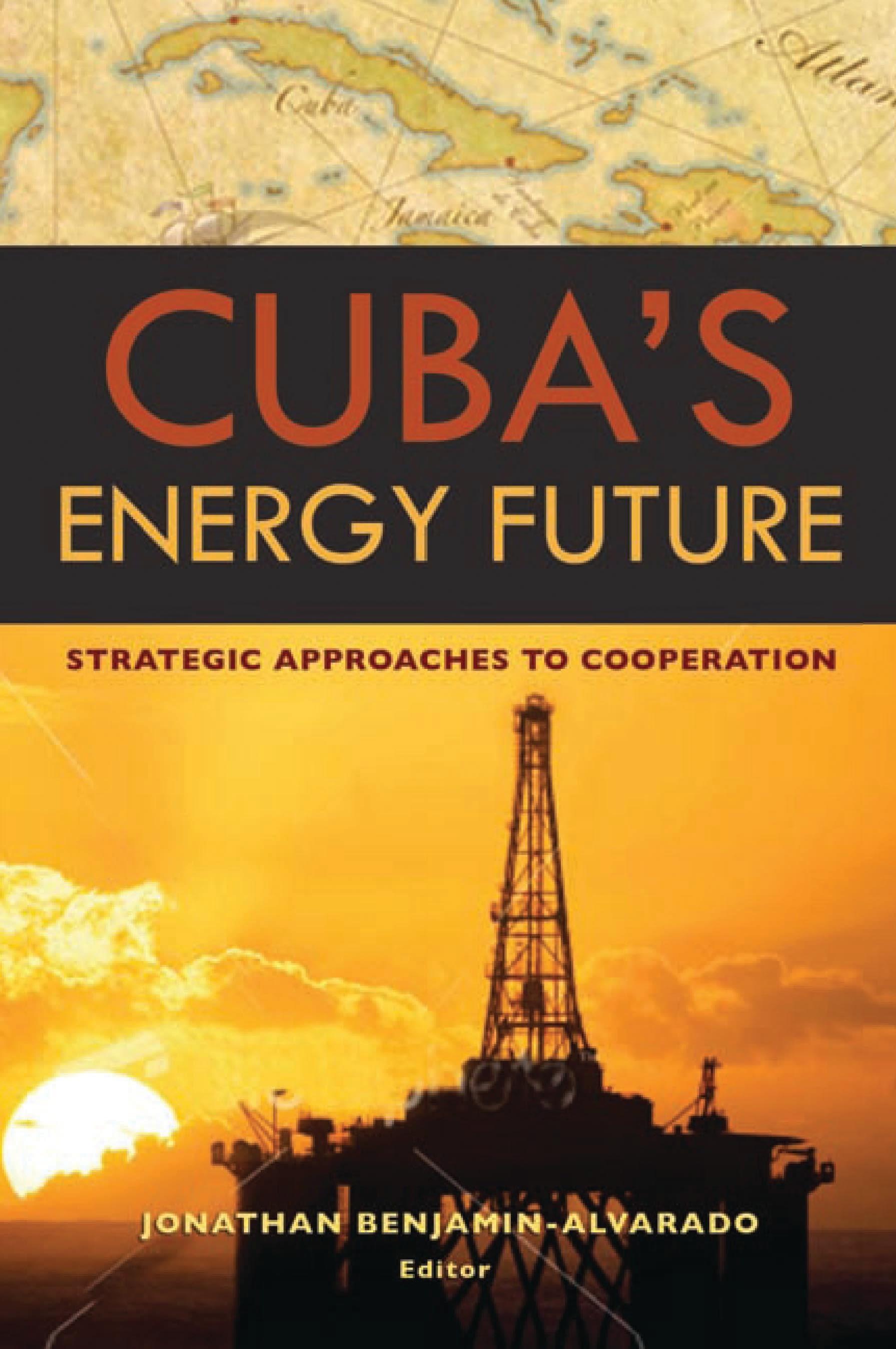
Approaching an uncertain future without Fidel Castro, and still reeling from a downturn at the end of the cold war, Cuba must act decisively to improve its economy and living conditions. One of the major challenges facing the impoverished island nation is securing access to energy resources that are sufficient to meet the needs of its revitalization and development goals. What steps can Cuba take to achieve both short- and long-term energy sustainability and self-sufficiency? In this timely analysis, Jonathan Benjamin-Alvarado and his colleagues answer that question.
Cuba's Energy Future sets the geostrategic context within which Cuba is operating. The book provides an overview of the evolving relations among Caribbean states and explains why Cuba and its longtime nemesis the United States should look for ways to cooperate on developing energy resources. The possible role of oil companies is explored, as is Cuba's energy relationship with Hugo Chavez's Venezuela.
The second section of Cuba's Energy Future features economic and technical appraisals, economic projections, and trends affecting Cuba's energy needs, including oil and natural gas potential, the country's antiquated electric power sector, and the role of biofuels such as sugarcane ethanol. The concluding section focuses on the conditions necessary for, and the mutual benefits of, greater cooperative engagement with the United States.
Contributors: Juan A. B. Belt (Chemonics International, formerly USAID), Jonathan Benjamin-Alvarado (University of NebraskaOmaha and University of Georgia), Amy Myers Jaffe (Rice University), Jorge R. Piñón (Florida International University), Ronald Soligo (Rice University).
Cuba's Energy Future sets the geostrategic context within which Cuba is operating. The book provides an overview of the evolving relations among Caribbean states and explains why Cuba and its longtime nemesis the United States should look for ways to cooperate on developing energy resources. The possible role of oil companies is explored, as is Cuba's energy relationship with Hugo Chavez's Venezuela.
The second section of Cuba's Energy Future features economic and technical appraisals, economic projections, and trends affecting Cuba's energy needs, including oil and natural gas potential, the country's antiquated electric power sector, and the role of biofuels such as sugarcane ethanol. The concluding section focuses on the conditions necessary for, and the mutual benefits of, greater cooperative engagement with the United States.
Contributors: Juan A. B. Belt (Chemonics International, formerly USAID), Jonathan Benjamin-Alvarado (University of NebraskaOmaha and University of Georgia), Amy Myers Jaffe (Rice University), Jorge R. Piñón (Florida International University), Ronald Soligo (Rice University).
Pagine: 143
Categoria: Statsvetenskap & Politik
e-ISBN: 9780815704591
Peso di spedizione: 1.2 kg
Spedito in: 1-2 giorni
Paga facilmente con carta, Klarna, Apple Pay o Google Pay. Non sei soddisfatto? Hai sempre 14 giorni per il rimborso. Leggi di più nei nostri termini. Per qualsiasi domanda, scrivici a hello@memmo.org.
Memmo rende lo studio più facile, ovunque tu sia nel mondo. Qui trovi i tuoi libri di testo e strumenti di studio intelligenti, tutto in un unico posto: riassunti, quiz, podcast e flashcard. E poi c'è Ted, il tuo compagno di studio che risponde a ogni tua domanda. Oltre 50.000 studenti studiano già qui: è stato creato per aiutarti a imparare più velocemente e a stressarti meno.