
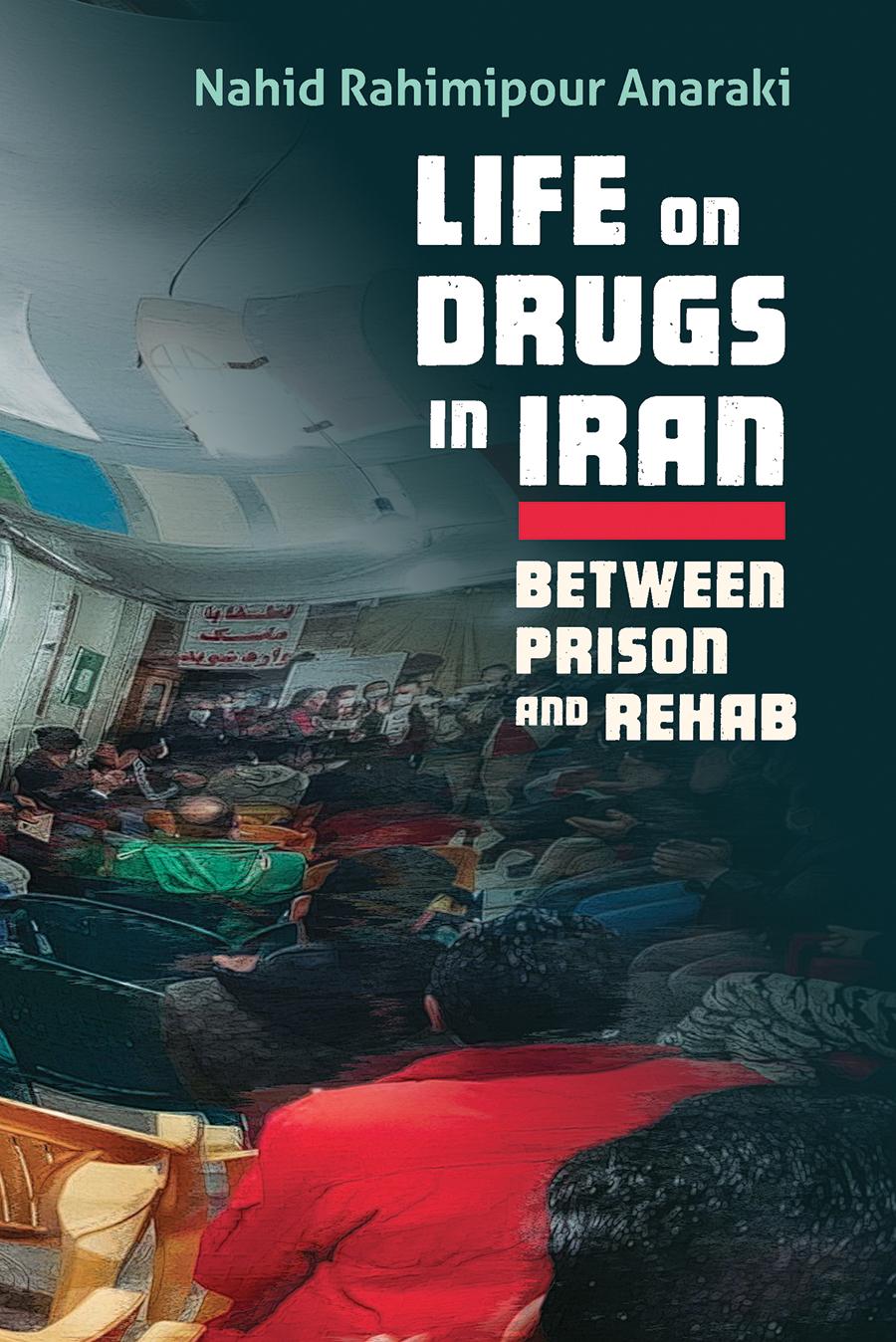
When they initiated a war on drugs in 1979, Iran developed a reputation as having some of the world’s harshest drug penalties and as an opponent of efforts to reform global drug policy. As mass incarceration failed to stem the growth of drug use, Iran shifted its policies in 1990 to introduce treatment regimens that focus on rehabilitation. While most Muslim countries and some Western states still do not espouse welfare-oriented measures, Iran has established several harm-reduction centers nationwide through the welfare system for those who use substances. In doing so, Iran moved from labeling drug users as criminals to patients. In Life on Drugs in Iran, Anaraki moves beyond these labels to explore the lived experience of those who use and have used illicit substances and the challenges they face as a result of the state’s shifting policies.
Gaining remarkable access to a community that has largely been ignored by researchers, Anaraki chronicles the lives of current and former substance users in prisons, treatment centers, and NGOs. In each setting, individuals are criminalized, medicalized, and marginalized as the system attempts to "normalize" them without addressing the root cause of the problem. Drawing upon first-hand accounts, Anaraki’s groundbreaking study takes an essential step in humanizing people with substance abuse issues in Iran.
Paga facilmente con carta, Klarna, Apple Pay o Google Pay. Non sei soddisfatto? Hai sempre 14 giorni per il rimborso. Leggi di più nei nostri termini. Per qualsiasi domanda, scrivici a hello@memmo.org.
Memmo rende lo studio più facile, ovunque tu sia nel mondo. Qui trovi i tuoi libri di testo e strumenti di studio intelligenti, tutto in un unico posto: riassunti, quiz, podcast e flashcard. E poi c'è Ted, il tuo compagno di studio che risponde a ogni tua domanda. Oltre 50.000 studenti studiano già qui: è stato creato per aiutarti a imparare più velocemente e a stressarti meno.