
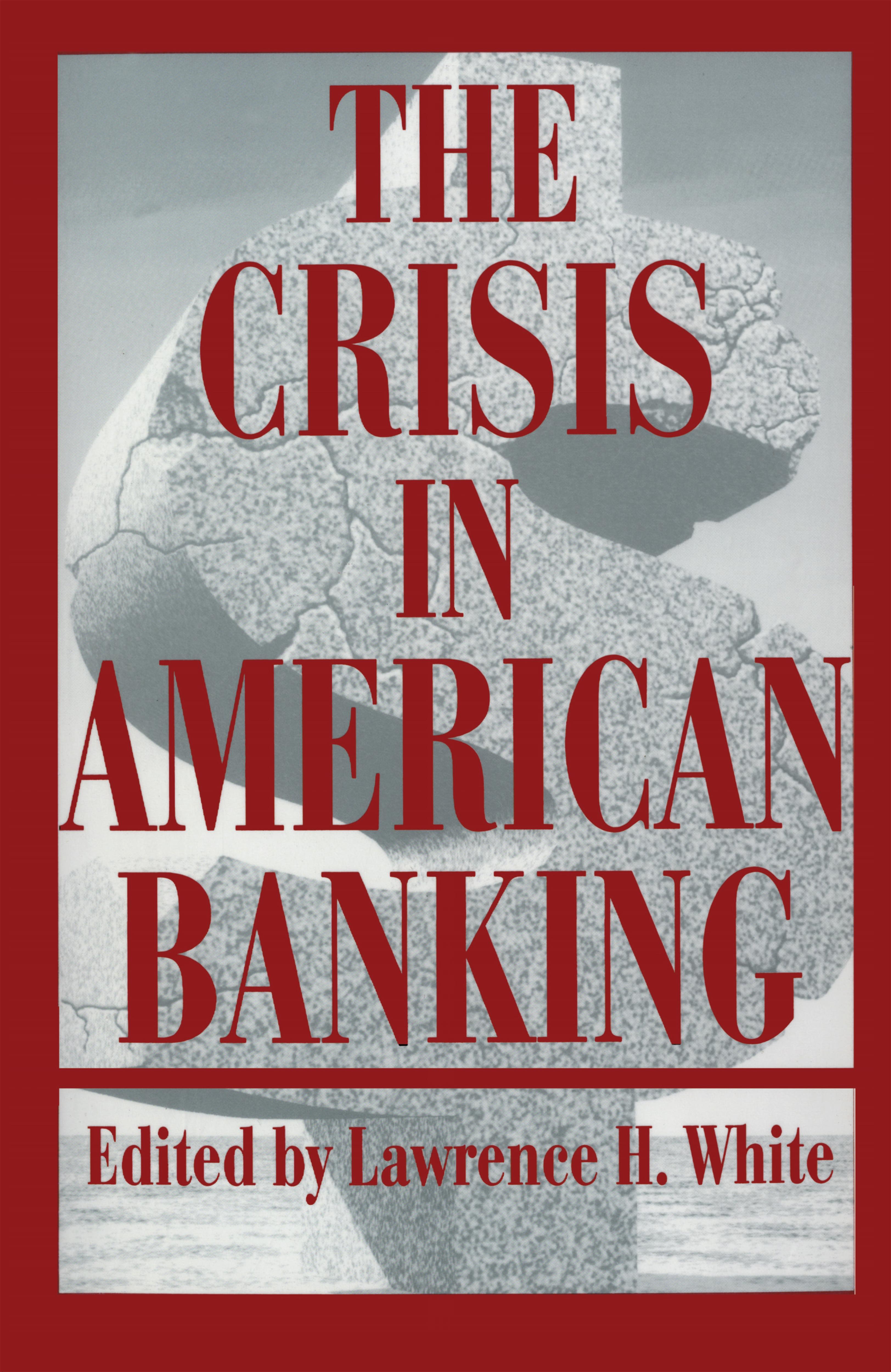
The U.S. banking system, its regulation and deregulation, and especially its deposit guarantees, continue to pose complex problems. The Crisis in American Banking offers six original perspectives on this continuing crisis, drawing from modern Austrian economics and from public choice theories that have seldom been applied to contemporary banking troubles. The contributors suggest that political regulation has seriously impaired the health of the banking industry. The authors consider long-term prospects for reform in the banking industry in light of the regulatory environment Much in the news lately, the U.S. banking system, its regulation and deregulation, and its troubles, pose a persistent and complex problem for Americans. This timely volume offers six original perspectives keyed to the continuing crisis in the U.S. banking industry. Several authors draw from modern Austrian economics or from public choice theory ideas that have seldom been applied to explaining contemporary banking problems. A pervasive theme of the ideas presented is that the U.S. banking crisis is fundamentally linked to the political regulation of banking. Taken as a whole, the book suggests that government regulatory, macroeconomic, and fiscal policies have seriously impaired the health of the banking industry. The Crisis in American Banking compellingly explains how rent-seeking, ideology, and the historical accretion of regulations have given banking policy its current unfortunate form. Also considered are the long term prospects for reform of banking regulation, and for the banking industry itself in light of the current and foreseeable regulatory environment. At present, the state of the U.S. commercial banking industry and the FDIC suggests disturbing parallels to the state of the savings and loan industry and the FSLIC a decade earlier. The policy regime that allowed their problems to develop does not seem to be on the verge of any dramatic change. The reluctance of Congress to enact real reforms means that the critical analyses and reform proposals in this volume will remain relevant for some time to come.Contributing to the volume are: Gerald P. Driscoll, Jr. (Vice President and Economic Advisor, Federal Reserve Bank of Dallas), Roger W. Garrison (Auburn University), Thomas Havrilesky (Duke University), George G. Kaufman (Loyola University of Chicago), Richard M. Salsman (Vice President, Financial Institutions Group of Citibank), and Walker Todd (Gulliver Foundation, San Francisco).
Paga facilmente con carta, Klarna, Apple Pay o Google Pay. Non sei soddisfatto? Hai sempre 14 giorni per il rimborso. Leggi di più nei nostri termini. Per qualsiasi domanda, scrivici a hello@memmo.org.
Memmo rende lo studio più facile, ovunque tu sia nel mondo. Qui trovi i tuoi libri di testo e strumenti di studio intelligenti, tutto in un unico posto: riassunti, quiz, podcast e flashcard. E poi c'è Ted, il tuo compagno di studio che risponde a ogni tua domanda. Oltre 50.000 studenti studiano già qui: è stato creato per aiutarti a imparare più velocemente e a stressarti meno.