
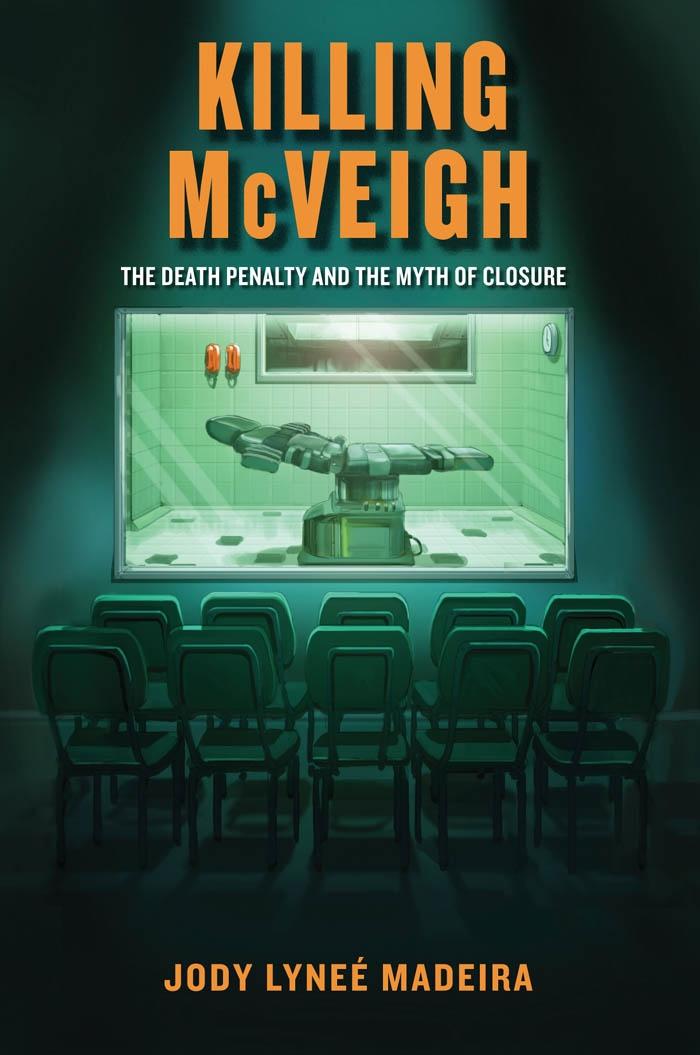
On April 19, 1995, Timothy McVeigh detonated a two-ton truck bomb that felled the Alfred P. Murrah Federal Building in Oklahoma City, killing 168 people. On June 11, 2001, an unprecedented 242 witnesses watched him die by lethal injection.
In the aftermath of the bombings, American public commentary almost immediately turned to “closure” rhetoric. Reporters and audiences alike speculated about whether victim’s family members and survivors could get closure from memorial services, funerals, legislation, monuments, trials, and executions. But what does “closure” really mean for those who survive—or lose loved ones in—traumatic acts? In the wake of such terrifying events, is closure a realistic or appropriate expectation?
In Killing McVeigh, Jody Lyneé Madeira uses the Oklahoma City bombing as a case study to explore how family members and other survivors come to terms with mass murder. The book demonstrates the importance of understanding what closure really is before naively asserting it can or has been reached.
Paga facilmente con carta, Klarna, Apple Pay o Google Pay. Non sei soddisfatto? Hai sempre 14 giorni per il rimborso. Leggi di più nei nostri termini. Per qualsiasi domanda, scrivici a hello@memmo.org.
Memmo rende lo studio più facile, ovunque tu sia nel mondo. Qui trovi i tuoi libri di testo e strumenti di studio intelligenti, tutto in un unico posto: riassunti, quiz, podcast e flashcard. E poi c'è Ted, il tuo compagno di studio che risponde a ogni tua domanda. Oltre 50.000 studenti studiano già qui: è stato creato per aiutarti a imparare più velocemente e a stressarti meno.