
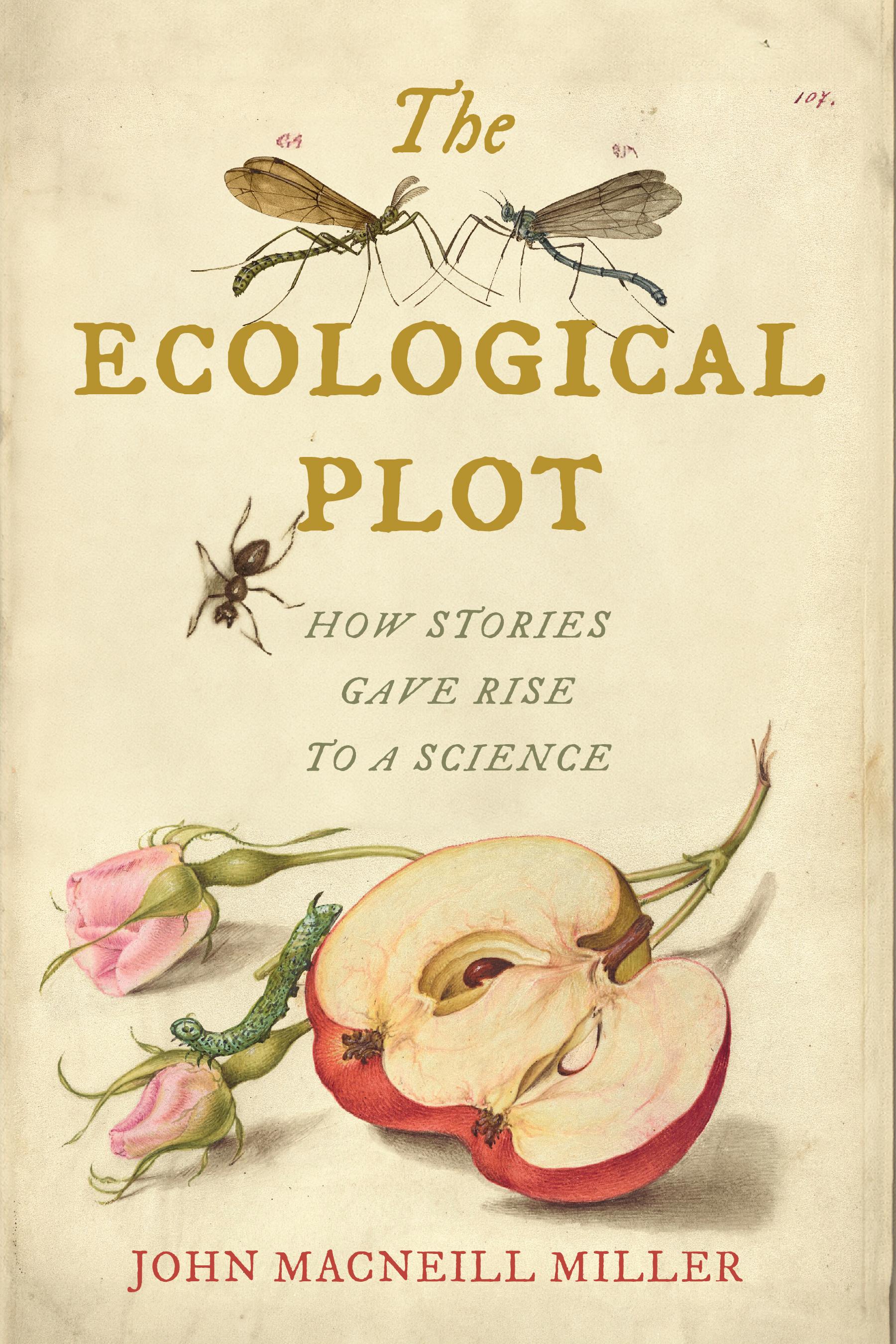
Unraveling the surprising history of the concept of ecology
The Ecological Plot traces the roots of this most mainstream branch of science back to an unexpected source: narrative storytelling. Weaving together the histories of different disciplines, John MacNeill Miller shows how pioneering thinkers drew on a shared set of literary techniques to imagine how different species could work together as a single, interdependent community, redefining the way we conceptualize the natural world.
Beginning with a series of revolutionary exchanges between the political economist Thomas Robert Malthus, the writer Harriet Martineau, and the naturalist Charles Darwin, The Ecological Plot identifies the foundations of modern notions of ecology, economics, and realist fiction, maps how they evolved through the works of Victorian writers such as Elizabeth Gaskell, George Eliot, and Thomas Hardy, and shows how they resurfaced in the works of Aldo Leopold and Rachel Carson a century later.
Miller’s book reveals why our most sophisticated efforts to explain humanity’s relationship to nature have been segregated into different disciplines and makes an argument for the importance of bringing these separate ways of understanding the world back together as a crucial step toward solving the environmental, economic, and ethical problems of the present.
The Ecological Plot traces the roots of this most mainstream branch of science back to an unexpected source: narrative storytelling. Weaving together the histories of different disciplines, John MacNeill Miller shows how pioneering thinkers drew on a shared set of literary techniques to imagine how different species could work together as a single, interdependent community, redefining the way we conceptualize the natural world.
Beginning with a series of revolutionary exchanges between the political economist Thomas Robert Malthus, the writer Harriet Martineau, and the naturalist Charles Darwin, The Ecological Plot identifies the foundations of modern notions of ecology, economics, and realist fiction, maps how they evolved through the works of Victorian writers such as Elizabeth Gaskell, George Eliot, and Thomas Hardy, and shows how they resurfaced in the works of Aldo Leopold and Rachel Carson a century later.
Miller’s book reveals why our most sophisticated efforts to explain humanity’s relationship to nature have been segregated into different disciplines and makes an argument for the importance of bringing these separate ways of understanding the world back together as a crucial step toward solving the environmental, economic, and ethical problems of the present.
Pagine: 228
Categoria: Vetenskapsteori och forskningsmetod
e-ISBN: 9780813951799
Peso di spedizione: 1.2 kg
Spedito in: 1-2 giorni
Paga facilmente con carta, Klarna, Apple Pay o Google Pay. Non sei soddisfatto? Hai sempre 14 giorni per il rimborso. Leggi di più nei nostri termini. Per qualsiasi domanda, scrivici a hello@memmo.org.
Memmo rende lo studio più facile, ovunque tu sia nel mondo. Qui trovi i tuoi libri di testo e strumenti di studio intelligenti, tutto in un unico posto: riassunti, quiz, podcast e flashcard. E poi c'è Ted, il tuo compagno di studio che risponde a ogni tua domanda. Oltre 50.000 studenti studiano già qui: è stato creato per aiutarti a imparare più velocemente e a stressarti meno.
Potrebbe interessarti anche
Acquista il libro0