
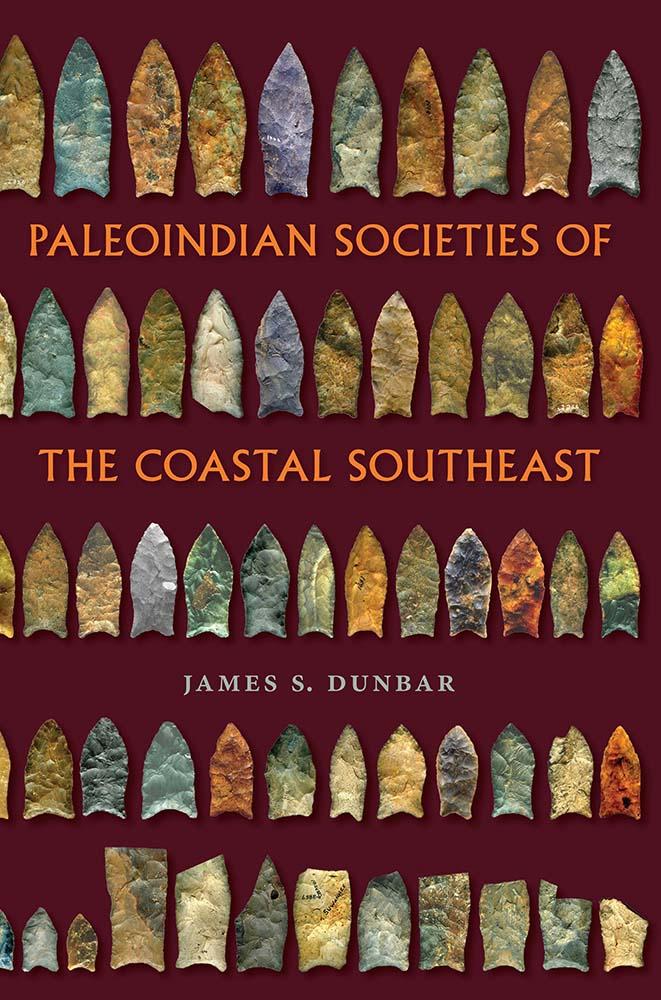
The late Pleistocene-early Holocene landscape hosted more species and greater numbers of them in the Southeast compared to any other region in North America at that time. Yet James Dunbar posits that a misguided reliance on using Old World origins to validate New World evidence has stalled research in this area. Rejecting the one-size-fits-all approach to Pleistocene archaeological sites, Dunbar analyzes five areas of contextual data—stratigraphy; chronology; paleoclimate; the combined consideration of habitat, resource availability, and subsistence; and artifacts and technology—to resolve unanswered questions surrounding the Paleoindian occupation of the Americas.
Through his extensive research, Dunbar demonstrates a masterful understanding of the lifeways of the region’s people and the animals they hunted, showing that the geography and diversity of food sources was unique to that period. He suggests that the most important archaeological and paleontological resources in the Americas still remain undiscovered in Florida’s karst river basins. Building a case for the wealth of information yet to be unearthed, he provides a fresh perspective on the distant past and an original way of thinking about early life on the land mass we call Florida.
A volume in the Florida Museum of Natural History: Ripley P. Bullen Series
Paga facilmente con carta, Klarna, Apple Pay o Google Pay. Non sei soddisfatto? Hai sempre 14 giorni per il rimborso. Leggi di più nei nostri termini. Per qualsiasi domanda, scrivici a hello@memmo.org.
Memmo rende lo studio più facile, ovunque tu sia nel mondo. Qui trovi i tuoi libri di testo e strumenti di studio intelligenti, tutto in un unico posto: riassunti, quiz, podcast e flashcard. E poi c'è Ted, il tuo compagno di studio che risponde a ogni tua domanda. Oltre 50.000 studenti studiano già qui: è stato creato per aiutarti a imparare più velocemente e a stressarti meno.
Potrebbe interessarti anche
Acquista il libro0