
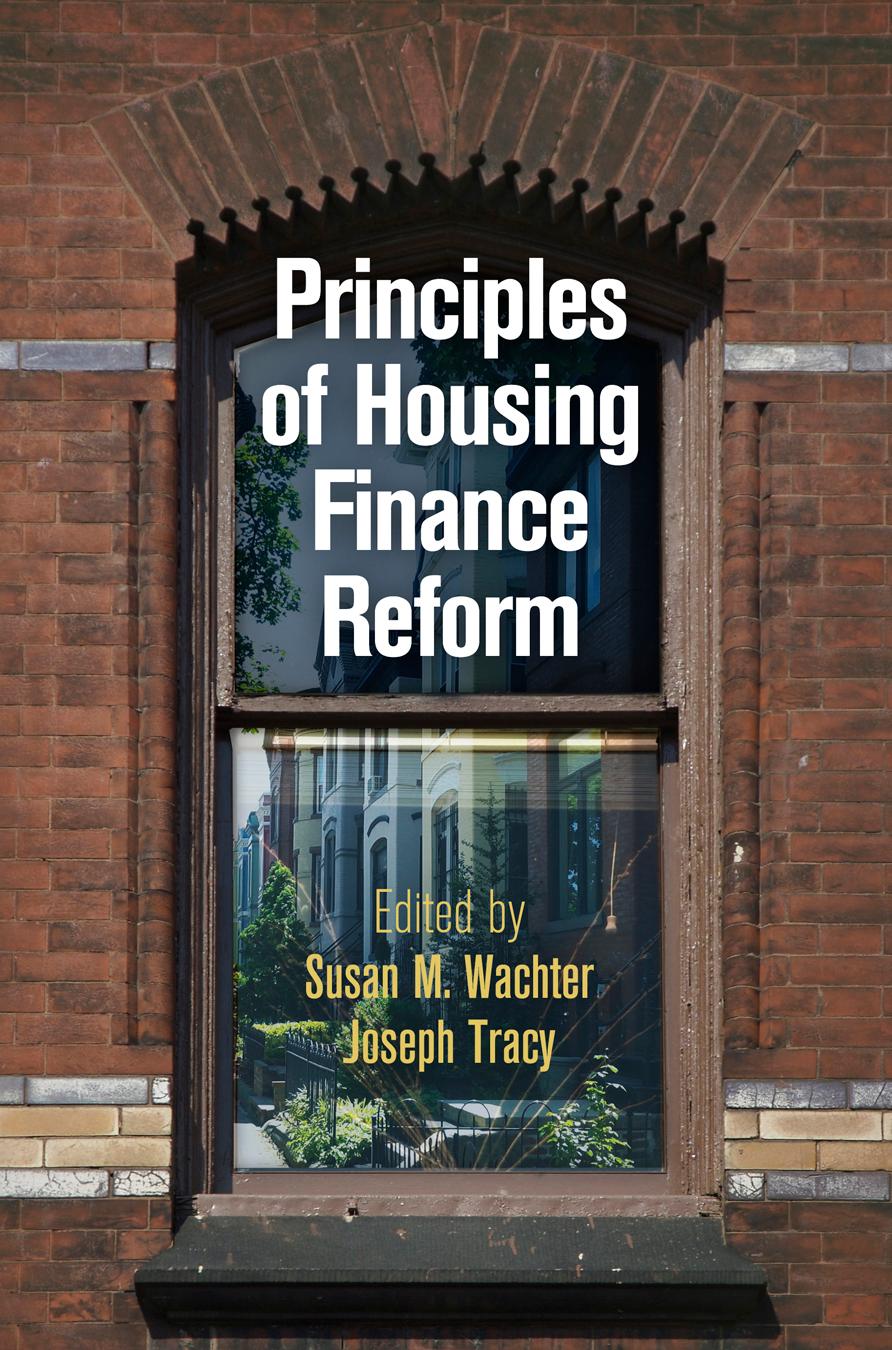
In the fall of 2008, the world watched in horror as the U.S. housing finance system shattered, triggering a global financial panic and ultimately the Great Recession. Now, nearly a decade later, the long and slow housing recovery has reached a critical moment. Though the housing finance system has stabilized, it remains in the hands of the federal government, leaving taxpayers exposed to the credit risk while private funding remains mostly on the sidelines.
Principles of Housing Finance Reform identifies the changes necessary to modernize the housing finance system, identifying guiding principles that should underlie a rebuilt system. Contributors to the volume set out a wealth of innovative solutions that are possible within this framework, presenting proposals for long-term structural reforms that would infuse new life into the U.S. housing finance system while enhancing long-term stability.
Nearly a decade after the inception of the Great Recession, reform proposals have arisen across the political spectrum. This is a moment of opportunity for rebuilding a key sector of the U.S. economy. The research in this volume represents the best thinking of policy researchers and economic experts on the challenges that lie ahead and provides a roadmap for reforms to create a system characterized by liquidity, stability, access, and sustainability.
Contributors: W. Scott Frame, Meghan Grant, John Griffith, Diana Hancock, Stephanie Heller, Akash Kanojia, Patricia C. Mosser, Kevin A. Park, Wayne Passmore, Roberto G. Quercia, David Scharfstein, Phillip Swagel, Joseph Tracy, Susan M. Wachter, Dale A. Whitman, Mark A. Willis, Joshua Wright.
Paga facilmente con carta, Klarna, Apple Pay o Google Pay. Non sei soddisfatto? Hai sempre 14 giorni per il rimborso. Leggi di più nei nostri termini. Per qualsiasi domanda, scrivici a hello@memmo.org.
Memmo rende lo studio più facile, ovunque tu sia nel mondo. Qui trovi i tuoi libri di testo e strumenti di studio intelligenti, tutto in un unico posto: riassunti, quiz, podcast e flashcard. E poi c'è Ted, il tuo compagno di studio che risponde a ogni tua domanda. Oltre 50.000 studenti studiano già qui: è stato creato per aiutarti a imparare più velocemente e a stressarti meno.